Smart bulbs with color control set the stage for a transformation in how we illuminate our homes, blending technology with aesthetics in an unprecedented way. These innovative lighting solutions not only allow for a spectrum of colors to enhance the ambiance of any room but also adapt to our lifestyles and moods. Imagine a home where the lights can shift from a warm, cozy glow for movie nights to vibrant hues for lively gatherings, all at the touch of a button.
As we delve deeper, we will explore the myriad advantages of smart bulbs, including energy efficiency, cost savings, and their versatility across various settings—from enhancing interior design themes to elevating outdoor spaces. With the integration of smart technology, managing your lighting has never been more intuitive or enjoyable.
Smart Bulbs Overview
Smart bulbs with color control have revolutionized the way we illuminate our spaces, integrating cutting-edge technology to provide users with enhanced control and customization options. These bulbs utilize LED technology, which allows for a vast spectrum of colors and shades to be displayed, all while maintaining energy efficiency. Through wireless connectivity, users can manipulate the lighting from their smartphones, tablets, or smart home systems, making it easier than ever to set the mood or enhance the ambiance in any room.One of the primary advantages of using smart bulbs in homes is their ability to adapt to the lifestyle and preferences of the user.
These bulbs can be programmed to change colors or brightness levels based on different scenarios or times of day, facilitating everything from relaxation to energetic gatherings. Additionally, smart bulbs contribute to energy efficiency by utilizing LED technology, which consumes significantly less electricity compared to traditional incandescent bulbs. This not only results in lower energy bills but also extends the lifespan of the bulbs, providing further cost savings over time.
Energy Efficiency and Cost Savings
The energy efficiency of smart bulbs is a significant factor that appeals to environmentally conscious consumers. By consuming up to 80% less energy than traditional light bulbs, smart bulbs contribute to reduced greenhouse gas emissions and lower energy costs. Their longer lifespan—often exceeding 25,000 hours—further enhances their value. When evaluating the cost savings associated with smart bulbs, several key points emerge:
- Lower Electricity Bills: Switching to smart bulbs can drastically reduce monthly energy expenses. For example, a household that replaces five 60-watt incandescent bulbs with 10-watt LED smart bulbs can save approximately $60 or more annually, depending on usage rates.
- Reduced Maintenance Costs: The longevity of smart bulbs means fewer replacements. Over time, this translates to substantial savings on both the bulbs themselves and the labor cost of frequent changes.
- Integration with Smart Home Systems: Many smart bulbs can be programmed to turn off automatically when not in use or when a home is unoccupied, optimizing energy use and further contributing to savings.
- Potential Rebates and Incentives: Some utility companies offer rebates for energy-efficient lighting solutions, making the upfront investment in smart bulbs even more appealing.
“Investing in smart lighting solutions today not only enhances your living space but also promotes a sustainable future.”
Interior Design and Decorating
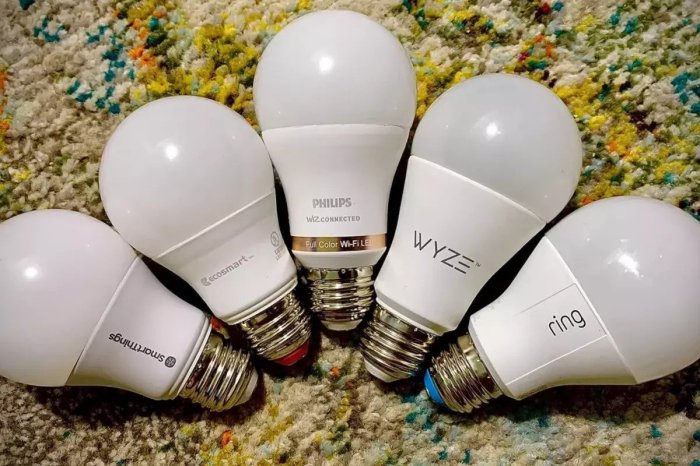
Smart bulbs with color control are revolutionizing the way we approach interior design and decorating. They are not just functional lighting solutions but are also essential tools for setting the right mood and enhancing aesthetic appeal in various spaces. With the ability to adjust colors and intensities, these smart bulbs provide designers and homeowners with the flexibility to create unique atmospheres that cater to their preferences and needs.The integration of smart lighting into interior design themes allows for seamless adaptation to different styles and settings.
From modern minimalism to cozy farmhouse aesthetics, smart bulbs enhance the overall design by contributing to an environment that resonates with the chosen theme. By strategically using color schemes, homeowners can transform their spaces to reflect different moods or occasions, thus amplifying the emotional impact of their interiors.
Examples of Color Schemes Using Smart Bulbs
Implementing specific color schemes with smart bulbs can significantly influence the ambiance of different rooms. Here are some effective examples:
- Living Room: Utilize warm white and soft yellow hues to create a welcoming atmosphere. Consider using subtle blue accents for a calming effect during evening gatherings.
- Bedroom: Employ soft pastels like lavender or mint green for a soothing sanctuary. Dimmed warm colors can encourage relaxation and promote sleep.
- Kitchen: Bright white light enhances the functionality of the space, while adding hints of lively colors like orange or green can invigorate the mood during meal preparations.
- Home Office: A mix of white and blue lighting can increase focus and productivity, while warmer tones can create a more relaxed environment for brainstorming sessions.
Lighting plays a crucial role in shaping the mood and aesthetics of home décor. It can highlight architectural features, create visual interest, and affect how colors are perceived within a space. For instance, a well-lit room can appear more spacious and inviting, while dim lighting can foster intimacy.
“In lighting design, the right color temperature can make all the difference in how a space feels and functions.”
By utilizing smart bulbs with color control, homeowners can easily switch between different lighting settings to suit their activities and mood. Whether it’s a vibrant gathering or a peaceful evening, the right lighting can enhance the overall effectiveness of interior design, making spaces not just livable but also enjoyable.
Kitchen Improvements
Smart bulbs with color control offer a transformative solution for improving kitchen functionality, enhancing both cooking and dining experiences. With their versatility, these bulbs can adapt to various tasks, creating the perfect atmosphere whether you’re whipping up a meal or enjoying a casual dinner.One major improvement smart bulbs bring to the kitchen is their ability to provide tailored lighting for different activities.
From bright white lights that help illuminate your workspace while chopping vegetables to warm ambient lighting that sets the mood for a family dinner, smart bulbs can efficiently meet your needs.
Setting the Right Ambiance for Cooking and Dining
Creating the right ambiance in the kitchen is essential not only for cooking efficiency but also for family gatherings and entertaining guests. By utilizing smart bulbs, you can easily adjust the color and intensity of the light to suit any occasion. For effective ambiance control, consider the following points:
- Bright White for Cooking: Use cool, bright white lighting (around 4000 K) to enhance visibility while preparing meals. This lighting mimics daylight, helping you see colors and details more clearly.
- Warm Glow for Dining: When it’s time to dine, switch to a warmer hue (around 2700 K) to create a cozy environment. This warm light can make meals feel more inviting and enhance the overall dining experience.
- Color Accents: Experiment with color accents to set a fun or thematic tone for gatherings. For example, festive colors like red and green during holidays can add a cheerful touch.
- Task Lighting: Implement task lighting in specific areas, such as under cabinets or over islands, to provide focused light where you need it most. Smart bulbs can adjust to provide the right level of brightness depending on the task at hand.
Integrating Smart Lighting with Kitchen Appliances
Integrating smart lighting with kitchen appliances not only enhances functionality but also creates a seamless and modern kitchen experience. This integration allows for automation and control that can elevate your time in the kitchen.To effectively integrate smart bulbs with your kitchen appliances:
- Sync with Smart Plugs: Connect your appliances to smart plugs that can be controlled by the same app as your smart bulbs. This allows you to set the lighting and the appliance to operate together, like turning on the coffee maker and the kitchen lights with one command.
- Routine Settings: Create routines that adjust both lighting and appliances simultaneously. For instance, setting a morning routine can turn on the lights and start your toaster simultaneously to kickstart your day.
- Voice Control: If you have a voice assistant, integrate it with your smart bulbs and appliances. You can use voice commands to control everything, such as “Turn on the kitchen lights and start the dishwasher.”
- Alert Settings: Use smart bulbs to provide visual alerts for appliance functions. For example, a specific color can signal when the oven preheats or when a timer goes off, ensuring you never miss important cooking cues.
By embracing smart bulbs in the kitchen, you not only enhance functionality but also create a space that’s tailored to your lifestyle and needs. The flexibility in lighting options and their integration with appliances makes for a modern kitchen that’s both efficient and enjoyable.
Landscaping and Outdoor Decorating
Smart bulbs equipped with color control offer an innovative way to enhance the beauty and functionality of outdoor spaces. They not only provide illumination but also allow you to set the mood for different occasions, creating an inviting atmosphere in your garden or patio. With the ability to change colors and adjust brightness, these smart bulbs can transform any outdoor setting into a vibrant and dynamic environment.Utilizing smart bulbs in your landscaping can significantly elevate the aesthetic appeal of your outdoor areas.
By strategically placing these lights, you can highlight features such as pathways, trees, and architectural elements, ensuring that your space looks stunning both day and night. Additionally, using color control helps to craft specific atmospheres, whether you’re aiming for a serene setting or a lively gathering space.
Benefits of Using Smart Bulbs for Outdoor Spaces
Smart bulbs offer several advantages when it comes to outdoor lighting solutions. Here are some key benefits:
- Energy Efficiency: Smart bulbs consume less energy compared to traditional outdoor lights, helping reduce electricity costs.
- Customizable Ambiance: With a wide range of colors and brightness levels, you can easily adjust the lighting to suit any occasion, from romantic dinners to festive gatherings.
- Remote Control: Many smart bulbs can be controlled via mobile apps, allowing for convenient operation from anywhere, making them ideal for outdoor events.
- Scheduling and Automation: Set timers or schedules for your smart lights, so they automatically turn on or off at specific times, enhancing security and convenience.
- Integration with Smart Home Systems: These bulbs can sync with other smart devices, providing a cohesive smart home experience.
Creating a Welcoming Atmosphere with Color Control
To make your garden or patio feel inviting, consider using color control to enhance the environment. Different colors evoke various emotions and can set the tone for your outdoor space. Here’s how to create that perfect atmosphere:
- Use warm colors like soft yellows and oranges to create a cozy and inviting feel for family gatherings.
- Cool colors such as blues and greens can promote a tranquil environment, ideal for relaxation during warm evenings.
- For festive occasions, bright and vibrant colors can add energy and excitement to your outdoor celebrations.
Incorporating smart bulbs into your landscaping not only beautifies the space but also allows for versatile mood settings. By adjusting the lighting according to the occasion, you can ensure your outdoor spaces remain welcoming and enjoyable.
Setting Up Smart Lighting for Outdoor Events
For outdoor events, proper lighting is essential to ensure safety and enhance the atmosphere. Here are methods to effectively set up smart lighting:
Plan Your Layout
Identify key areas that require illumination, such as pathways, seating areas, and focal points. Strategically positioning smart bulbs will provide both safety and aesthetic appeal.
Use Color Themes
Align your lighting with the theme of the event. For example, using festive colors for a party or calming shades for a relaxing evening can significantly impact guest experience.
Implement Motion Sensors
Incorporating motion-activated smart bulbs can save energy and provide added security during events. This feature ensures lights turn on as guests approach, offering both convenience and safety.
Test and Adjust
Before your event, conduct tests to ensure all smart bulbs are functioning correctly. Adjust brightness and colors as needed to create the desired ambiance.By thoughtfully integrating smart bulbs into your outdoor decor, you can create a stunning and functional environment that leaves a lasting impression on guests.
Home Lighting Strategies
Smart bulbs have transformed the way we perceive and utilize lighting in our homes. With their ability to change colors and intensities, they offer endless possibilities for creating the perfect atmosphere for various activities. Understanding home lighting strategies can enhance not only aesthetics but also functionality, making spaces more inviting and practical.Various lighting techniques can be employed using smart bulbs to elevate everyday activities.
These techniques include task lighting, ambient lighting, and accent lighting. By effectively layering these types of lighting, one can create a well-balanced and adaptable environment that meets the requirements of different tasks and enhances the overall decor.
Lighting Techniques for Different Activities
When planning your home lighting, consider the specific activities that will take place in each room. Here’s a breakdown of how smart bulbs can be optimized for various functions:
- Task Lighting: Essential for areas where specific tasks are performed, such as kitchens or home offices. Bright, focused lighting helps improve visibility and concentration.
- Ambient Lighting: This type of lighting sets the overall tone of the room. Use softer, warmer colors in living spaces to create a cozy atmosphere, while cooler tones might be suitable for workspaces.
- Accent Lighting: Highlight features of your home, such as artwork or architectural details. Smart bulbs can be programmed to change colors to make certain areas pop or feel more inviting.
Best Practices for Layering Light
Layering light involves combining different types of lighting to create depth and dimension in a space. This approach can be particularly effective with smart bulbs, as they allow for easy adjustments to brightness and color. Here are some best practices for layering light:
- Combine Different Light Sources: Use a mix of floor lamps, table lamps, and overhead lighting to create a balanced look.
- Adjust Color Temperatures: Use a range of color temperatures within a space. For example, combine warm white lights for cozy areas with cooler lights for workspaces.
- Utilize Dimmer Features: Smart bulbs often come with dimming capabilities, allowing you to easily adjust the light intensity based on the time of day or activity.
Remote Control and Scheduling Tips
One of the key advantages of smart bulbs is the ability to control them remotely, making it easier to manage lighting for convenience and energy efficiency. Here are some tips to maximize this feature:
- Use Mobile Apps: Most smart bulbs come with a dedicated app that enables you to control lighting from anywhere. This feature is ideal for ensuring that lights are turned off when you’re away or to set the mood before you arrive home.
- Schedule Lighting: Take advantage of the scheduling options to automate your lighting. Program your smart bulbs to turn on gradually in the morning to simulate sunrise or to dim in the evening as a signal to wind down.
- Integrate with Smart Home Systems: If you have a smart home hub, consider integrating your bulbs to control them with other smart devices. For example, sync your lighting with your security system to enhance home safety.
New Construction Considerations
As smart home technology continues to evolve, integrating smart lighting systems into new homes is becoming increasingly important. Smart bulbs not only enhance the aesthetic appeal of a home but also contribute to energy efficiency and convenience. Builders and homeowners alike are recognizing the value of planning for these systems during the construction phase to ensure seamless integration and optimal performance.Integrating smart lighting in new homes involves careful planning and consideration of both the technology and the design.
It allows for a more cohesive approach to home automation, as smart bulbs can be connected to various smart home systems, enhancing user experience. This system can include voice-activated controls, smartphone apps, and integration with other smart devices such as thermostats and security systems. Implementing smart lighting from the beginning of the construction process simplifies the installation process and can save on costs associated with retrofitting existing homes.
Checklist for Builders Including Smart Bulbs in Construction Plans
A well-thought-out checklist can ensure that all necessary components for smart lighting are included in new constructions. Here’s a useful set of considerations for builders:
- Determine the types of smart bulbs and systems to be installed (e.g., Wi-Fi, Zigbee, or Bluetooth).
- Plan the layout and locations of smart bulbs to maximize functionality and aesthetics.
- Ensure the home’s electrical system is compatible with smart lighting technology.
- Include wiring for dimmer switches and smart hubs in the electrical plan.
- Discuss user preferences for color control and automation features during the design phase.
- Incorporate smart lighting controls in accessible locations throughout the home.
Planning for smart lighting during the design phase offers numerous advantages. Early integration ensures that the electrical infrastructure can support high-tech lighting solutions without requiring costly modifications later. Additionally, homes that include smart lighting as a standard feature may attract buyers looking for modern conveniences, enhancing marketability.
“Homebuyers increasingly expect new homes to come equipped with smart technology, making it a competitive edge for builders.”
Moreover, by installing energy-efficient smart bulbs, homeowners can benefit from reduced energy bills and a lower carbon footprint. This forward-thinking approach not only enhances the home’s market appeal but also contributes to sustainable living practices. By considering smart lighting systems in the initial stages of construction, builders can create homes that are not only functional but also adaptable to future technological advancements.
Home Painting and Color Coordination
Smart bulbs with color control can significantly enhance your home’s aesthetic by complementing your interior paint choices. As color plays a crucial role in mood and ambiance, the ability to adjust lighting can influence how these colors are perceived throughout the day and night. This dynamic interaction allows for greater creativity in home design, ensuring your living spaces feel cohesive and inviting.When selecting paint colors, it’s essential to consider how different lighting moods will affect the appearance of those colors.
Smart bulbs offer a range of color temperatures, from warm to cool, which can dramatically alter the look of your walls. For instance, a soft white light can make a pastel color look more vibrant, while a cooler hue may lend depth to darker shades. Understanding these interactions can help homeowners create harmonious spaces.
Complementary Color Choices
Choosing the right paint color to work with your smart bulb lighting requires a thoughtful approach. Here are some strategies to consider:
Warm Colors with Warm Light
Shades like soft yellows or warm creams can be beautifully highlighted by warm white light, creating a cozy and inviting atmosphere. This combination is perfect for living rooms and bedrooms.
Cool Colors with Cool Light
Colors such as blues or greens can appear more serene and refreshing when paired with cooler, bluish light. This pairing is suitable for bathrooms or home offices, where clarity and calmness are desired.
Accent Walls
Using smart bulbs to enhance accent walls can create striking visual effects. For example, a bold red or deep navy wall can be complemented by smart bulbs set to a soft white or even purple hue, accentuating the wall’s color without overwhelming the space.
Interactive Color Play
Letting smart bulbs change colors based on the time of day can enhance the overall look of your painted walls. In the morning, a brighter, cooler light can make your breakfast nook feel lively, while a warm, amber light in the evening can provide a relaxing setting.
“Smart lighting expands your color palette, allowing you to create a mood that matches both your walls and your lifestyle.”
In summary, the integration of smart bulbs with thoughtful color coordination in home painting not only elevates the aesthetic appeal but also enhances the functionality and versatility of your living spaces. By taking into account how light interacts with paint colors, homeowners can transform their environments to fit their personal tastes and daily routines.
Patio Deck Lighting Solutions
Creating an inviting outdoor space is essential for enjoying warm evenings and entertaining guests. Smart bulbs with color control can enhance the ambiance of your patio deck, offering both functionality and a touch of creativity. With the right lighting, you can transform your outdoor area into a cozy retreat or a vibrant gathering spot, reflecting your personal style and setting the mood for any occasion.Outdoor lighting plays a crucial role in defining entertainment spaces, providing not only illumination but also enhancing safety and aesthetics.
Utilizing smart bulbs allows for flexibility in color and brightness, catering to various activities from intimate dinners to lively parties. Here are some creative ways to incorporate smart bulbs into your patio and deck lighting solutions.
Creative Uses for Smart Bulbs on Patios and Decks
Leveraging the versatility of smart bulbs can lead to innovative and dynamic outdoor lighting solutions. Here are several creative ideas for using smart bulbs effectively:
- String Lights: Hang smart bulb string lights overhead to create a magical atmosphere. Use warm white for a cozy vibe or change colors for festive occasions.
- Accent Lighting: Install smart bulbs in outdoor fixtures near seating areas or pathways. This enhances safety while allowing you to tailor the color settings to match your event.
- Spotlighting Features: Use smart bulbs to spotlight garden features, architectural elements, or artwork. This draws attention to focal points and adds depth to the outdoor space.
- Fire Pit Lighting: Position smart bulbs around fire pits or outdoor fireplaces for a warm glow. Adjust colors to complement the flames and enhance the overall atmosphere.
- Step Lighting: Integrate smart bulbs into stairs or deck railings to ensure safety while also providing subtle illumination that can be color-coordinated with your theme.
Impact of Outdoor Lighting on Entertainment Spaces
The influence of outdoor lighting on entertainment spaces cannot be overstated. Properly chosen lighting enhances the mood, encourages social interaction, and helps create lasting memories.
“Lighting creates the atmosphere; it sets the tone.”
Bright and colorful lighting can energize a party, while softer, warmer hues create a relaxed environment for intimate gatherings. Flexible color options allow hosts to change the vibe easily, adapting to the nature of the event or personal preferences. Moreover, thoughtful placement of lighting fixtures can help delineate different areas for dining, lounging, and engaging in activities, making your outdoor space more inviting and functional.
Guide to Choosing the Right Smart Bulbs for Open-Air Settings
Selecting the appropriate smart bulbs for outdoor use involves considering various factors such as durability, brightness, and color options. Here are essential aspects to consider when making your choice:
- Weather Resistance: Choose smart bulbs that are rated for outdoor use, featuring weatherproof designs that can withstand rain, snow, and UV exposure.
- Brightness Levels: Opt for bulbs with adjustable brightness settings to cater to different activities, from bright light for games to softer tones for relaxing.
- Color Range: Select bulbs that offer a wide color spectrum to suit various moods and themes, ensuring versatility for different occasions.
- Energy Efficiency: Look for LED smart bulbs that provide bright illumination while being energy-efficient, reducing electricity costs over time.
- Smart Features: Ensure compatibility with home automation systems, allowing you to control lighting through voice commands or smartphone apps.
Pest Control in Outdoor Spaces
Smart lighting goes beyond just aesthetics; it can play a significant role in managing pests in your outdoor spaces. By strategically utilizing smart bulbs, homeowners can create an environment that is less inviting to unwanted insects and critters, enhancing the overall outdoor experience while minimizing pest-related disruptions.One of the key factors in pest control with smart lighting is the color temperature of the bulbs.
Different insects are attracted to specific wavelengths of light. For instance, yellow and warm white lights tend to repel mosquitoes and other flying pests, while blue and white lights may attract them. By selecting the appropriate color temperature, you can effectively reduce pest presence while enjoying your outdoor areas.
Color Temperature and Its Impact on Pest Management
Understanding the importance of color temperature can significantly enhance your pest management strategy. The following insights shed light on how specific color temperatures influence pest behavior:
Warm White and Yellow Lights
These color temperatures are less attractive to common pests such as mosquitoes and flies. Installing smart bulbs that emit these hues can create a more enjoyable outdoor environment without drawing in unwanted insects.
Cool White and Blue Lights
These colors tend to attract insects, making outdoor living spaces more susceptible to pest invasions. Avoiding these color temperatures in outdoor lighting can help maintain a pest-free zone.
Smart Lighting Schedules
Setting your smart bulbs to emit warm light during peak pest activity hours (dusk and dawn) can further discourage pests from encroaching on your space. Smart lighting systems can be programmed to switch color temperatures automatically based on the time of day.Enhancing your outdoor enjoyment while keeping pests at bay can be achieved through smart lighting solutions. Here are some practical tips for setting up your smart bulbs effectively:
Placement of Smart Bulbs
Position bulbs strategically around patios, decks, and entryways to maximize their pest-repelling effects. The more targeted your lighting, the more control you have over your outdoor environment.
Utilize Motion Sensors
Employ smart bulbs with motion sensors that activate warm lighting when movement is detected. This not only deters pests but also enhances security and convenience.
Combine Lighting with Other Pest Control Measures
For a comprehensive approach, consider combining smart lighting with natural pest deterrents such as citronella plants or essential oil diffusers. This multi-faceted strategy can significantly reduce pest populations while maintaining an inviting atmosphere.Incorporating smart lighting into your outdoor spaces not only contributes to aesthetics and functionality but also serves as an effective tool for pest management. By being mindful of color temperatures and employing strategic lighting setups, you can create a more enjoyable outdoor experience while keeping pests at bay.
Home Plumbing and Smart Technology
Integrating smart technology into home plumbing workflows can significantly enhance efficiency and safety. Smart lighting plays a crucial role in plumbing work areas, ensuring that visibility is maximized, especially during intricate repairs or installations. The right lighting can make all the difference when navigating tight spaces or working with complex plumbing fixtures.The relevance of smart lighting in plumbing work areas cannot be overstated.
Bright, adjustable lighting allows plumbers to clearly see their work, which is essential when dealing with intricate systems or diagnosing issues. For example, smart bulbs can be programmed to change color or intensity based on the task at hand, providing optimal conditions for visibility.
Enhancing Visibility During Plumbing Repairs
Proper illumination is vital when addressing plumbing repairs to prevent accidents and ensure that every detail is visible. Smart bulbs can enhance visibility in a variety of ways:
- Adjustable Brightness: Many smart bulbs allow users to adjust brightness levels. This feature is particularly useful in dimly lit areas such as under sinks or behind appliances, where standard lighting may fall short.
- Color Temperature Control: Smart bulbs can be adjusted to emit different color temperatures. Cooler light can create a more focused and alert environment, ideal for detailed plumbing work.
- Remote Control and Automation: Using smart home apps, plumbers can control lighting from their smartphones, allowing them to adjust lights without needing to navigate back to a switch, particularly useful when hands are full.
- Scheduling Features: Smart lighting can be scheduled to turn on or off at specific times, ensuring that work areas are always adequately lit when needed, especially during off-hours when emergencies might arise.
Integrating smart lighting with other home automation systems can further enhance its functionality. By connecting smart bulbs to a home security system, for instance, lights can automatically activate upon detecting motion in plumbing areas. This not only provides additional visibility but also acts as a deterrent against potential theft or vandalism.
“Smart lighting transforms not just ambiance but functionality, particularly in crucial workspaces like plumbing.”
In addition, using voice-activated smart home assistants can streamline the process of adjusting lighting while working on plumbing tasks. This hands-free control is invaluable for maintaining focus and efficiency during repairs, allowing plumbers to concentrate solely on their work.By embracing these smart technology advancements, homeowners can ensure that their plumbing work areas remain well-lit and functional, reducing risks and improving overall performance during plumbing repairs.
Home Remodeling Ideas
When planning your home remodeling project, integrating smart bulbs with color control can radically transform your space. These innovative lighting solutions not only enhance aesthetics but also improve functionality, allowing you to create the perfect ambiance tailored to your needs. By incorporating smart bulbs into your remodeling endeavors, you can easily adjust colors, brightness, and settings for any occasion.One of the advantages of using smart bulbs during renovations is their versatility.
Whether you’re updating your kitchen, redesigning your living room, or creating an outdoor oasis, smart bulbs can adapt to various styles and purposes. Their ability to change colors and intensities can highlight architectural features, complement your decor, and even influence the mood of a room. For instance, using warm tones in the evenings can create a cozy atmosphere, while cooler tones can stimulate productivity during the day.
Innovative Lighting Designs for Remodeled Spaces
Innovative lighting designs can make a significant difference in remodeled spaces. Utilizing smart bulbs opens up a variety of options, from statement fixtures to subtle accents. Here are a few ideas to consider:
- Layered Lighting: Combine ambient, task, and accent lighting using smart bulbs to create depth and interest in a room. For example, in a kitchen, use under-cabinet lights for tasks, pendant lights over an island for ambiance, and smart bulbs in recessed fixtures for overall illumination.
- Color Zones: Create different color zones in larger rooms to define areas. For instance, in an open-concept living space, use warm whites in the dining area while opting for cooler blues in the lounge to differentiate between spaces.
- Smart Control Integration: Integrate smart bulbs with home automation systems. This allows you to control lighting through voice commands or mobile apps, making it easier to set the mood with just a click or voice command.
Common Mistakes to Avoid When Adding Smart Lighting During Renovations
Incorporating smart lighting into your home remodeling project can be rewarding, but it’s essential to avoid common pitfalls. Recognizing these mistakes can help ensure a seamless integration of technology into your design.
- Neglecting to account for existing wiring can lead to complications. Always consider the compatibility of your smart bulbs with the current electrical setup.
- Choosing the wrong color temperatures can affect the overall feel of a space. Test various colors and brightness levels to find the right fit for each room.
- Overcomplicating the system can result in usability challenges. Keep the control options simple and intuitive, ensuring all household members can operate the lighting system easily.
- Failing to plan for future updates may limit your options down the line. Choose smart bulbs and systems that can be easily upgraded or expanded as technology evolves.
Conclusive Thoughts
In summary, smart bulbs with color control offer a unique blend of functionality and creativity, transforming not only our lighting experiences but also enriching our homes’ aesthetics. As we embrace this technological advancement, we unlock the potential for personalized illumination that aligns perfectly with our daily lives and special moments. Whether it’s for a quiet dinner or a vibrant party, smart bulbs are the perfect companions to set the right mood at any time.
General Inquiries
What are smart bulbs with color control?
Smart bulbs with color control are LED light bulbs that can be controlled remotely and adjusted to emit various colors to enhance atmosphere and mood.
Can I use smart bulbs with existing fixtures?
Yes, smart bulbs are designed to fit into standard light fixtures, making it easy to upgrade your lighting without needing to change your hardware.
How do I control smart bulbs?
Smart bulbs can be controlled via smartphone apps, voice commands through virtual assistants, or even automated schedules.
Are smart bulbs energy efficient?
Yes, smart bulbs are generally more energy-efficient than traditional bulbs, often using up to 80% less energy while providing the same amount of light.
Can I integrate smart bulbs with other smart home devices?
Absolutely! Smart bulbs can be integrated with other smart home devices for enhanced automation and control.