LED lighting for energy efficiency opens up an exciting conversation about the transformative power of technology in our daily lives. With a significant shift from traditional lighting solutions to advanced LED options, we are not only enhancing the aesthetic of our spaces but also making a conscious effort toward preserving our planet. This evolution in lighting technology offers substantial benefits that range from energy savings to improved design flexibility.
As we explore the fundamentals of LED lighting, its impressive energy-saving capabilities, and its versatile applications in both residential and commercial settings, you’ll discover why this innovation is becoming the go-to choice for environmentally conscious consumers and designers alike.
Overview of LED Lighting
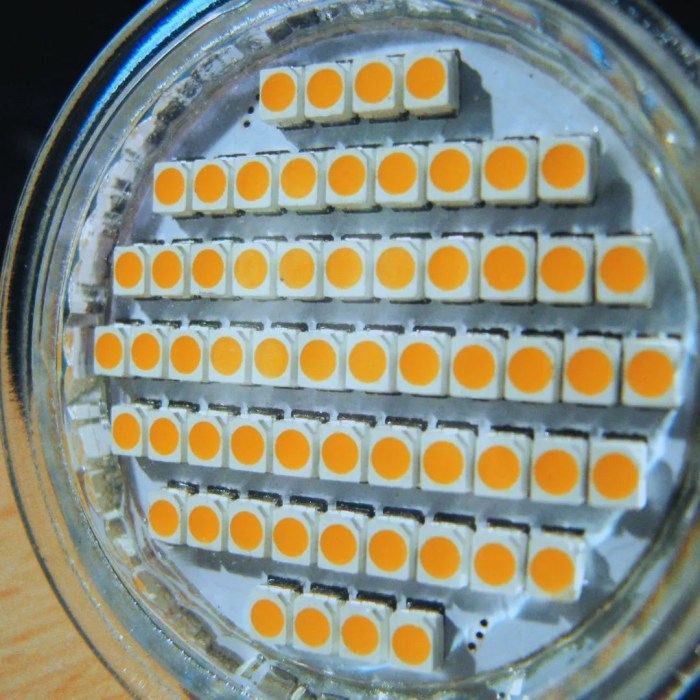
LED (Light Emitting Diode) lighting represents a significant advancement in the field of illumination technology. These small yet powerful light sources have transformed how we light our homes, offices, and public spaces. Unlike traditional incandescent or fluorescent bulbs, LEDs use a different mechanism for producing light, which leads to numerous benefits in energy efficiency, longevity, and overall performance.The fundamentals of how LED lighting works revolve around the principle of electroluminescence.
When an electric current passes through a semiconductor material in the LED, it excites the electrons, causing them to emit light as they revert to their original state. This process is remarkably efficient and produces very little heat compared to traditional lighting technologies, where a significant portion of energy is lost as heat. Over the years, LED technology has evolved from simple indicators on electronic devices to powerful lights capable of illuminating entire spaces.
The development of various types of diodes, improved manufacturing techniques, and the advent of smart lighting has propelled LEDs into the forefront of modern lighting solutions.
Advantages of LED Lighting
LED lighting offers numerous advantages over traditional bulbs, making them a preferred choice for consumers and businesses alike. Understanding these advantages highlights the significance of transitioning to LED technology.
- Energy Efficiency: LEDs consume up to 80% less energy than traditional incandescent bulbs. This reduction in energy usage not only lowers utility bills but also contributes to a significant decrease in carbon emissions.
- Longevity: LED bulbs have an operational lifespan of approximately 25,000 to 50,000 hours, significantly outlasting incandescent bulbs, which typically last around 1,000 hours. This long lifespan reduces the frequency of replacements and therefore waste.
- Durability: LEDs are solid-state lights, making them more robust and resistant to breakage compared to fragile glass bulbs. This durability is particularly beneficial in environments where lighting fixtures may be subject to rough handling.
- Environmental Impact: LEDs are free of toxic elements such as mercury, which is commonly found in fluorescent bulbs. This makes disposal safer and more environmentally friendly.
- Instant Lighting: LEDs reach full brightness immediately when switched on, unlike some traditional bulbs that require warm-up time. This feature is particularly useful in situations where immediate illumination is necessary.
- Design Flexibility: LED technology allows for a variety of designs and applications, from decorative lighting to harsh industrial settings. They can be made into virtually any shape or size, offering versatility in design.
“Transitioning to LED lighting is not just a trend; it’s a crucial step towards a sustainable future.”
The advantages Artikeld above demonstrate why LED lighting has become the preferred choice in various applications, enhancing energy efficiency, safety, and overall lighting quality in both residential and commercial environments.
Energy Efficiency Benefits
The shift towards LED lighting has been transformative, particularly in terms of energy efficiency. As environmental concerns rise and energy costs fluctuate, understanding the energy consumption differences between LED lighting and other traditional lighting types is crucial for both residential and commercial consumers. LEDs not only reduce energy usage but also offer significant savings over time, making them an appealing choice for those looking to cut costs and lower their carbon footprint.When comparing energy consumption, LED lighting consumes significantly less power than incandescent and fluorescent bulbs.
To put it into perspective, an LED bulb that produces the same amount of light (measured in lumens) as a 60-watt incandescent bulb only requires about 8 to 12 watts of energy. This translates to an impressive reduction in energy consumption of 80% or more.
Energy Savings Statistics
The impact of LED lighting on energy savings is substantial, both in residential and commercial settings. Numerous studies and statistics highlight the effectiveness of LEDs in reducing overall energy costs:
Residential Savings
A typical household can save approximately $225 in energy costs over the lifetime of a single LED bulb compared to traditional incandescent bulbs.
Commercial Savings
Businesses that adopt LED lighting can see energy savings of 30-50% on their lighting bills. For instance, a study conducted by the U.S. Department of Energy found that if every American switched to LED bulbs, the nation would save around $15 billion annually in energy costs.
Lifespan
LEDs can last up to 25,000 hours or more compared to about 1,000 hours for incandescent bulbs, which means fewer replacements and lower waste.The following examples illustrate some of the energy-efficient LED lighting products available in the market today:
Smart LED Bulbs
Products such as Philips Hue and Lifx offer adjustable brightness and color through smartphone apps, allowing users to optimize their energy use further.
LED Floodlights
Brands like Hyperikon offer durable LED floodlights that are ideal for outdoor use, providing bright illumination while consuming significantly less energy than traditional halogen floodlights.
LED Tube Lights
Replacing fluorescent tube lights with LED tubes can save businesses up to 50% in energy costs while providing better light quality and longer lifespans.In summary, the energy efficiency benefits of LED lighting are clear. From substantial energy consumption reductions to impressive savings statistics, it is evident that incorporating LED technology is a smart choice for anyone looking to enhance their energy efficiency while also contributing to a more sustainable future.
Interior Design and Decorating with LED Lighting
Incorporating LED lighting into interior design offers a blend of aesthetics and functionality that can transform any space. With their versatility and energy efficiency, LED lights can be used in various creative ways to enhance the overall design scheme. From ambient lighting to accent features, LEDs are essential in modern interior decorating.LED lighting not only helps in illuminating spaces effectively but also plays a crucial role in creating the desired mood and atmosphere.
By selecting the right placement and type of LED fixtures, homeowners can elevate the functionality of a room while ensuring it remains visually appealing. The adaptability of LED lighting allows it to complement any design style, from minimalist to eclectic.
Creative Ways to Incorporate LED Lighting
Using LED lighting strategically can drastically change the appearance and feel of a room. Below are some creative ways to utilize LED lights in your interior design:
- Under-cabinet Lighting: Installing LED strips under kitchen cabinets enhances task lighting while adding a contemporary touch.
- Accent Walls: LED wall washers can highlight textures and colors, drawing attention to specific architectural features.
- Recessed Lighting: Strategically placed recessed LEDs provide a clean, modern look while maintaining a spacious feel.
- Artwork Illumination: Use picture lights or spotlights to showcase artwork, creating a gallery-like ambiance.
- Cove Lighting: Integrate LED lights into ceiling coves for soft, indirect lighting that adds depth to the space.
Enhancing Ambiance and Functionality
LED lighting significantly affects the ambiance and functionality of spaces. The ability to adjust the brightness and color temperature means that LEDs can create an inviting atmosphere or deliver bright, focused light where needed. Here are key benefits of utilizing LED lighting effectively:
- Versatile Brightness Control: Dimmable LEDs allow for tailored lighting levels, making it easy to transition from bright work environments to cozy relaxation areas.
- Color Temperature Flexibility: Different color temperatures can evoke various emotions; warmer tones create a comfortable environment, while cooler tones boost productivity.
- Energy Savings: LEDs consume less energy, allowing you to create well-lit spaces without high electricity bills.
- Longevity: The long lifespan of LEDs means less frequent replacements, resulting in lower maintenance and replacement costs.
Choosing the Right Color Temperature
Selecting the appropriate color temperature for each room is vital for achieving the desired effect. Color temperature is measured in Kelvin (K), and understanding these factors can help in making informed choices:
- Living Rooms: A warm white light (around 2700K to 3000K) creates a welcoming and relaxing atmosphere ideal for socializing.
- Kitchen: A brighter, cooler light (3000K to 4000K) enhances visibility for cooking and food preparation.
- Bathrooms: A neutral white light (3000K to 3500K) is best for grooming tasks, providing clarity without harshness.
- Home Offices: Cooler tones (4000K to 5000K) help improve focus and productivity by mimicking daylight.
- Bedroom: Soft, warm lighting (2700K) promotes relaxation and tranquility, making it easier to unwind at the end of the day.
“The right lighting not only illuminates a space but also enhances its beauty and functionality.”
Kitchen Improvements Using LED Lighting
Modern kitchens are not just places for cooking but are often the heart of the home, serving as a space for family gatherings and entertaining. Enhancing this vital area with LED lighting can significantly improve functionality, energy efficiency, and overall aesthetics. By selecting the right fixtures and strategically layering your lighting, you can create a kitchen that is both beautiful and practical.
Essential LED Lighting Fixtures for Kitchen Spaces
Choosing the appropriate LED lighting fixtures for your kitchen is crucial for ensuring optimal visibility and convenience. Here are some key fixtures to consider:
- Pendant Lights: Ideal for hanging over kitchen islands or dining areas, offering focused illumination while adding a decorative element.
- Recessed Lighting: Provides a clean and unobtrusive look, perfect for general lighting in the kitchen.
- Under-Cabinet Lights: Essential for illuminating countertops and workspaces, helping to prevent accidents and enhance visibility.
- Track Lighting: Offers flexibility in directing light where needed, making it easy to highlight specific areas or decor.
Layering Kitchen Lighting with LEDs for Efficiency and Aesthetics
When it comes to kitchen lighting, layering is essential for creating depth and functionality. A well-designed lighting scheme incorporates three main types of light: ambient, task, and accent. Ambient lighting provides overall illumination, while task lighting focuses on specific areas like countertops and cooking spaces. Accent lighting highlights design features or decor elements. Here’s how to effectively layer these types of lighting:
1. Ambient Lighting
Use recessed ceiling lights or a central fixture to create a uniform glow throughout the kitchen.
2. Task Lighting
Install under-cabinet LED strips or pendant lights over work areas to ensure you have enough light while cooking or prepping food.
3. Accent Lighting
Incorporate LED fixtures to highlight decorative elements, such as art pieces or open shelving, adding an aesthetic appeal.
Layering different types of lighting not only enhances functionality but also transforms the kitchen into an inviting space.
Design Ideas for Under-Cabinet LED Lighting Solutions
Under-cabinet LED lighting is a game-changer for kitchen design, providing both practical benefits and visual appeal. Here are several ideas for implementing this feature:
- LED Strip Lights: These flexible strips can be easily mounted under cabinets for a continuous glow that lights up the entire countertop area.
- puck Lights: These small, round fixtures can be strategically placed to provide focused light on specific areas, enhancing visibility for tasks.
- Color-Changing LEDs: For a modern touch, consider color-changing LED strips that allow you to adjust the ambiance according to your mood or occasion.
- Smart LEDs: Integrating smart LED lights that can be controlled via smartphone apps or voice assistants adds convenience and energy efficiency.
By leveraging these under-cabinet lighting solutions, you can effectively illuminate your workspace while also adding a stylish element to your kitchen design. The combination of practicality and aesthetics makes LED lighting an essential consideration for any kitchen improvement project.
Landscaping and Outdoor Decorating with LED Lighting
Transforming outdoor spaces with LED lighting not only enhances aesthetics but also increases safety and functionality. With their energy efficiency and versatility, LED lights can create stunning landscapes while significantly reducing electricity costs. This section explores the benefits of using LED lighting in outdoor areas, different types of outdoor LED lights, and an effective layout plan for illuminating gardens and patios.
Benefits of Using LED Lighting in Outdoor Spaces
Utilizing LED lighting outdoors offers numerous advantages that appeal to both eco-conscious homeowners and design enthusiasts. Not only do LED lights consume less energy compared to traditional lighting options, but they also have a longer lifespan, reducing the frequency of replacements.
“LED lights can last up to 25,000 hours, significantly outpacing incandescent bulbs which average around 1,000 hours.”
In addition to their longevity, LED lights are more durable, making them well-suited for outdoor environments. They are less likely to be damaged by weather conditions or physical impact. Furthermore, LED lighting can enhance security by illuminating dark areas and pathways, deterring unwanted visitors.
Types of Outdoor LED Lights and Their Applications
There are several types of outdoor LED lights, each designed for specific applications in landscaping and decorating. Understanding these types can help homeowners achieve their desired visual effect and functionality.
- Pathway Lights: Ideal for lining walkways and garden paths, these lights improve visibility and safety while also enhancing the landscape’s beauty.
- Spotlights: Used to highlight specific features like trees, sculptures, or architectural elements, spotlights create focal points in outdoor spaces.
- Flood Lights: Great for brightening up larger areas such as backyards or patios, flood lights can also provide security lighting for homes.
- String Lights: Offering a decorative touch, string lights can be draped across patios or wrapped around trees, creating a warm and inviting atmosphere.
- Deck and Step Lights: These lights are designed to be installed directly onto decks or stairs, providing safety as well as aesthetics.
Each type serves a unique purpose and can be combined to create a cohesive outdoor lighting design that enhances both functionality and style.
Layout Plan for Effective Outdoor LED Lighting
An effective outdoor LED lighting layout is crucial for maximizing both beauty and safety in gardens and patios. A well-planned layout can transform your space into a welcoming environment during the evenings.Begin by identifying key areas that need illumination, such as walkways, sitting areas, and garden features. Here’s a recommended layout plan:
1. Pathways
Install pathway lights along the edges of walkways, spaced approximately 6 to 8 feet apart to ensure consistent lighting.
2. Focal Points
Place spotlights to highlight specific landscape features, such as a beautiful tree or fountain, positioning them at an angle to create dramatic shadows.
3. Seating Areas
Use string lights overhead in patio areas to create a cozy ambiance. Consider using dimmable options for varying brightness levels depending on the occasion.
4. Safety Features
Install deck and step lights where needed, ensuring each step is well-lit and visible to prevent accidents.
5. Flood Lights
Position flood lights at strategic points around the perimeter of your property to provide security and illuminate larger areas effectively.By following this layout plan, homeowners can create a beautifully lit outdoor space that is both functional and inviting for gatherings or quiet evenings under the stars.
Home Lighting Design Strategies
Creating a well-lit home is essential for both functionality and aesthetics. A comprehensive lighting design plan helps to optimize the use of LED lighting throughout your space, ensuring each area receives the appropriate type and amount of illumination. By focusing on the specific needs of different spaces, you can enhance your home’s ambiance, improve energy efficiency, and increase overall comfort.
Designing a Complete Home Lighting Plan
A successful home lighting design begins with understanding the purpose of each room and how lighting can enhance its functionality. Each area of your home has unique requirements that can be met through strategic lighting placement and selection. Begin by considering layers of light: ambient, task, and accent lighting. This multi-layered approach creates a balanced and versatile lighting scheme.
To get started on your lighting plan:
- Assess each room’s functionality: Identify areas where you need bright task lighting versus softer ambient light.
- Consider natural light: Evaluate how much daylight enters each space and plan for complementary artificial lighting.
- Create focal points: Use accent lighting to highlight artwork, architectural features, or plants.
Selecting LED Fixtures for Different Areas
When choosing LED fixtures, it is essential to consider both the style and the function of the light. Different areas of the home require specific types of fixtures to achieve the desired effect. Here’s a quick overview of suitable LED fixtures for various spaces:
Living Room: Opt for dimmable LED recessed lights or floor lamps that create a cozy atmosphere. Accent lights can highlight decorative elements.
Kitchen: Bright, task-oriented LED under-cabinet lights or pendant lights over islands ensure proper illumination for cooking and food preparation.
Bathroom: Use moisture-resistant LED fixtures such as sconces or vanity lights that provide even, flattering light for grooming tasks.
Bedroom: Soft, warm white LED lamps are perfect for bedside tables, while ceiling-mounted fixtures can provide general lighting.
Organization Tips for Lighting Controls and Automation Systems
Efficient organization of lighting controls enhances user experience and maximizes energy savings. Having a systematic approach to lighting control not only simplifies usage but also allows for greater flexibility in lighting your home.
Consider implementing the following strategies:
- Centralized control: Use smart lighting systems that can control multiple fixtures from a single app or panel.
- Zone lighting: Divide your home into lighting zones that can be controlled individually for tailored illumination.
- Automation features: Program timers and motion sensors to manage lighting usage effectively, ensuring lights are off when not needed.
“Smart lighting systems not only enhance convenience but significantly reduce energy consumption.”
By applying these strategies in your home lighting design, you can create a harmonious balance of style, functionality, and energy efficiency that meets the needs of your household while maximizing the benefits of LED technology.
LED Lighting in New Construction
Integrating LED lighting during the construction phase of a new build offers numerous benefits, from energy savings to enhanced design flexibility. By making the switch to LED from the outset, builders can not only meet modern construction standards but also provide homeowners with long-term value and efficiency.Installing LED lighting in new constructions comes with the advantage of seamless integration into the overall design and architectural plans.
LED lights are versatile, allowing for innovative placement and unique lighting effects that can transform spaces. Furthermore, energy efficiency standards have increasingly mandated the use of LED technology, making it a smart choice for compliance and sustainability.
Energy Efficiency Standards and Compliance
Adopting LED lighting in new construction aligns with many energy efficiency standards set forth by governmental and environmental organizations. Various building codes now encourage or require the installation of energy-efficient lighting solutions.The following are key points regarding energy efficiency standards related to LED lighting:
- Building codes often mandate a minimum luminaire efficacy, which LEDs typically exceed.
- Compliance with Energy Star ratings ensures that products meet stringent efficiency criteria.
- Many states offer incentives for the use of LED technology, enhancing the economic benefits for builders and homeowners.
- LEED (Leadership in Energy and Environmental Design) certification credits can be obtained through the use of energy-efficient lighting systems.
Checklist for Builders on Incorporating LED Lighting
To effectively incorporate LED lighting into new construction projects, builders can follow a comprehensive checklist. This ensures all aspects of LED integration are considered, from selection to installation and maintenance.Here’s a helpful checklist for builders:
- Assess the lighting needs of each space, considering functionality and aesthetic appeal.
- Select high-quality LED fixtures that align with energy efficiency standards.
- Plan for smart lighting controls that enhance usability and energy savings.
- Implement appropriate wiring and circuitry to support LED installations.
- Educate homeowners on the benefits and operation of LED lighting systems.
“The integration of LED lighting into new builds not only boosts energy efficiency but also enhances overall design, providing both aesthetic and functional value.”
By adhering to energy efficiency standards and following a strategic checklist, builders can maximize the benefits of LED lighting in new constructions, ultimately contributing to a more sustainable and eco-friendly future.
Home Painting and LED Lighting
The relationship between home painting and LED lighting can significantly influence the ambiance and aesthetic appeal of your living spaces. The color of your walls interacts with the characteristics of LED lighting, creating various effects that enhance the overall look and feel of your home. Understanding these dynamics is essential for achieving the desired atmosphere in your interiors.Different paint colors can affect the perception of LED lighting in terms of brightness and tone.
For instance, lighter colors such as whites and pastels can reflect more light, making a space feel brighter and more open. On the other hand, darker colors absorb light, which can create a cozier and more intimate atmosphere but may require brighter LED options to maintain visibility. Additionally, paint colors with warm undertones, like yellows and oranges, can enhance the warmth of warm white LEDs, while cooler colors, such as blues and greens, can create a refreshing contrast with cooler LED light spectrums.
Strategies for Selecting LED Lights That Complement Painted Interiors
Choosing LED lights to complement your painted interiors involves understanding both the color properties of the paint and the characteristics of the lighting. Here are some strategies to consider:
1. Assess Color Temperature
Match the color temperature of the LED lights with the dominant color of your walls. Warmer colors generally pair well with warm white LEDs (2700K-3000K), while cooler wall colors may benefit from neutral to cool white LEDs (3500K-5000K).
2. Consider Dimming Options
Installing dimmable LEDs can help adjust the light intensity, allowing for flexibility depending on the time of day or specific mood desired. Dimming can also highlight wall colors beautifully, enhancing their shades and tones.
3. Utilize Accent Lighting
Use LED strip lights or spotlights to accentuate certain areas or features of your painted walls. This can create depth and interest in your interior design while showcasing the colors effectively.
4. Test Before Committing
Always test LED lights with a small area of paint before making a final decision. Seeing how the light interacts with the paint color in different lighting conditions can provide clarity on how the final look will be.
5. Balance with Natural Light
Take into account the amount of natural light your rooms receive. Rooms that get ample sunlight can handle different lighting temperatures better than spaces that are dimmer throughout the day.
Examples of Color Schemes Harmonizing with Various LED Lighting Options
Certain color schemes can enhance the effect of LED lighting, making spaces feel cohesive and inviting. Here are some examples that illustrate these harmonies:
Soft Neutrals with Warm White LEDs
A palette of soft beige and light taupe walls can look stunning when paired with warm white LEDs. This combination creates a gentle glow that feels inviting and comfortable.
Bold Blues with Cool White LEDs
Deep blue walls can appear more vibrant under cool white LEDs. This contrast enhances the richness of the blue while providing a modern feel to the space.
Earthy Greens with Adjustable LEDs
Walls painted in earthy green tones can be complemented with adjustable color temperature LEDs. This allows homeowners to switch between warm and cool light depending on their mood, enhancing the natural elements in the room.
Pastels with Bright White LEDs
Soft pastel colors like mint green or blush pink can be invigorated by bright white LEDs. This pairing creates a fresh, airy feel that can brighten up smaller spaces.Through thoughtful consideration of paint colors and LED lighting options, homeowners can transform their living environments into beautifully designed spaces that reflect their personal style while maximizing energy efficiency.
Enhancing Patios and Decks with LED Lighting
Transforming your outdoor living spaces with LED lighting can enhance both functionality and ambiance. Patios and decks are ideal areas to leverage the benefits of LED technology, providing energy-efficient solutions that elevate your gatherings and relaxation. With various options available, you can create the perfect atmosphere for any occasion, while also enjoying the cost-saving advantages of LED lights.LED lighting comes in many forms suitable for outdoor environments, including recessed lights, string lights, pathway lights, and spotlights.
These options not only brighten up your space but also offer versatility in design. When choosing LED lights for patios and decks, consider the following types:
Types of LED Lighting for Patios and Decks
The selection of LED lighting can significantly impact the overall aesthetic and functionality of your outdoor area. Here are some common types of LED lights that are perfect for patios and decks:
- Recessed LED Lights: Installed into ceilings or deck floors, these lights provide a sleek and modern look while offering ambient lighting.
- LED Strip Lights: Flexible and customizable, these strips can be used along railings, under benches, or even around furniture to create a warm glow.
- LED String Lights: Perfect for adding a festive atmosphere, these lights can be draped across beams or hung from trees to enhance outdoor gatherings.
- LED Pathway Lights: Ideal for illuminating walkways and outlining deck perimeters, these lights improve safety and visibility during nighttime events.
- LED Spotlights: These can be used to highlight specific features in your garden or architectural elements of your deck.
Creative use of LED strips can substantially elevate the design of your outdoor living areas. These versatile lights can be applied in numerous innovative ways to enhance visual appeal and create a welcoming atmosphere.
Creative Ideas for Using LED Strips
Incorporating LED strips into your patio or deck design opens up a world of creative possibilities. Here are a few ideas to inspire your outdoor space:
- Under-Bench Lighting: Installing LED strips under benches adds a subtle glow that transforms seating areas into inviting spaces.
- Railing Accents: Run LED strips along the edges of railings, offering safety illumination while adding an attractive aesthetic.
- Planter Illumination: Positioning LED strips in or around planters can highlight your landscaping and create a stunning focal point at night.
- Canopy and Pergola Lighting: Wrap LED strips around support beams or trellises to bring warmth and charm to covered outdoor areas.
When installing outdoor LED lighting, it is crucial to prioritize safety to ensure a pleasant experience in your enhanced space.
Safety Considerations for Outdoor LED Lighting Installations
To enjoy your outdoor lighting safely, keep the following considerations in mind:
- Water Resistance: Ensure all LED lights used outdoors are rated for wet or damp locations; look for IP65 or higher ratings.
- Proper Wiring: Use outdoor-rated wiring and connectors to prevent electrical hazards.
- Secure Fixtures: Make sure all fixtures are firmly installed to withstand weather conditions, reducing the risk of damage.
- Avoid Overloading Circuits: Be mindful of the total wattage and amperage of your lighting setup to prevent electrical failures.
- Regular Maintenance: Periodically check lights and connections for any signs of wear or malfunction to ensure continued safe operation.
Pest Control in Relation to LED Lighting
LED lighting has revolutionized many aspects of home design and energy efficiency, but its effects on pest attraction are equally significant. Unlike traditional incandescent or fluorescent lights, which often attract a wide range of insects, LED lights can be tailored to minimize this issue. By understanding how different lighting types impact pest behavior, homeowners can make informed decisions that enhance their living spaces while keeping undesirable insects at bay.The impact of LED lighting on pest attraction is primarily rooted in its spectral output.
Traditional lighting emits a broad spectrum of light, including wavelengths that are particularly attractive to insects, such as ultraviolet (UV) light. In contrast, many LED lights are designed to emit less UV radiation and to focus on wavelengths that are less appealing to pests. This shift can lead to a noticeable reduction in the number of insects drawn to illuminated areas, particularly during the warmer months when pest populations are at their peak.
Best LED Lighting Options for Reducing Pest-Related Issues Outdoors
When selecting LED lighting for outdoor spaces, certain options stand out for their effectiveness in minimizing pest attraction. The following types of LED lights are recommended for outdoor use to help control pest populations:
- Warm White LEDs: These lights emit a softer, yellowish light that is less attractive to insects compared to cooler, blue-toned LEDs. Warm white LEDs are ideal for patios and garden areas.
- Amber LEDs: These lights primarily emit wavelengths that insects find unattractive. Amber LEDs are particularly effective for outdoor spaces where pest control is a priority, such as porches and walkways.
- Motion Sensor Lights: By incorporating motion sensors, LED lights can reduce the time they are illuminated, thus decreasing the likelihood of attracting pests. This is particularly useful for driveways and entrances.
Incorporating these options into your outdoor lighting strategy can significantly reduce pest-related issues while creating a welcoming environment.
Comparison of Pest Control Strategies Incorporating LED Technology
A variety of pest control strategies can be enhanced by utilizing LED technology. Understanding the strengths and weaknesses of each approach helps in selecting the best solution for your outdoor environment. Below is a comparison of some effective pest control strategies that work well with LED lighting:
| Strategy | Description | Benefits | Challenges |
|---|---|---|---|
| LED Trap Lights | Using LED lights in traps to lure and capture insects. | Effective at targeting specific pests; low energy consumption. | Requires regular maintenance and replacement of traps. |
| Integrated Landscaping with LED | Incorporating LED lights into garden design to create barriers against pests. | Enhances aesthetics while deterring pests. | Initial installation costs may be higher. |
| Smart LED Solutions | Utilizing smart technology to control lighting based on pest activity. | Energy-efficient and adaptable to changing pest patterns. | May require a learning curve for setup and operation. |
By integrating these strategies with effective LED lighting options, homeowners can create an outdoor space that is both enjoyable and less susceptible to pest infestations.
“Choosing the right LED lighting not only enhances your outdoor aesthetics but can also be a powerful ally in pest control.”
LED Lighting and Home Plumbing
The integration of LED lighting in plumbing-related areas of the home enhances visibility and functionality, making everyday tasks easier and safer. Proper illumination is particularly crucial in utility spaces where plumbing fixtures are located, as it helps homeowners identify potential issues or conduct repairs with ease.Bright and energy-efficient LED lighting can dramatically improve visibility in areas like basements, utility rooms, and under sinks.
These spaces often suffer from insufficient lighting, making it difficult to perform maintenance or repairs. By installing LED lights, homeowners can ensure that every corner is well-lit, reducing the risk of accidents and improving overall efficiency when working on plumbing tasks.
Waterproof LED Lighting Options for Bathrooms and Kitchens
Waterproof LED lighting options are essential for areas exposed to moisture, such as bathrooms and kitchens. These fixtures are designed to withstand humid conditions and prevent electrical failures, which can lead to hazardous situations. The selection of appropriate waterproof LED lights is vital for ensuring safety and longevity of lighting installations.An effective guide for selecting waterproof LED lights includes:
- IP Rating: Look for lights with an IP65 rating or higher for bathrooms and kitchens, as this indicates resistance to water and dust.
- Fixture Design: Choose fixtures specifically designed for wet locations, as these are built to handle moisture without compromising safety.
- Brightness Level: Consider LED lights with adjustable brightness to cater to different tasks, such as cooking or bathing.
- Energy Efficiency: Opt for energy-efficient models that consume less power while providing adequate illumination.
- Color Temperature: Select lights with a warmer color temperature (2700K to 3000K) for a cozy feel, or cooler temperatures (4000K to 5000K) for a more clinical environment.
Choosing the right waterproof LED lighting can significantly enhance safety and functionality in moisture-prone areas, ensuring that both aesthetics and practicality are considered.
Guide for Selecting Appropriate LED Lights for Utility Areas
Selecting suitable LED lighting for utility areas is crucial for functionality and efficiency. These spaces often serve multiple purposes, from housing plumbing fixtures to providing storage solutions.Factors to consider when choosing LED lights for utility areas include:
- Light Output: Aim for higher lumen outputs in utility areas to ensure thorough illumination for maintenance tasks.
- Fixture Type: Use ceiling-mounted fixtures or recessed lighting to maximize space and light distribution.
- Energy Consumption: Opt for energy-efficient bulbs that lower utility bills while providing sufficient lighting.
- Color Rendering Index (CRI): Select lights with a CRI of 90 or above, as this will ensure that colors appear more accurate and vibrant, aiding in the identification of issues.
- Durability: Choose robust fixtures that can withstand the conditions typical to utility areas, including potential exposure to water and dust.
Properly selected LED lighting can transform utility areas, making them safer and more functional for various tasks related to home plumbing.
Integrating LED Lighting in Home Remodeling Projects
As homeowners embark on remodeling projects, the integration of LED lighting can transform spaces while enhancing energy efficiency. Updating older homes with LED technology is not only about modernizing aesthetics but also about creating functional, inviting environments that conserve energy and lower utility bills. This section explores essential strategies and design considerations for incorporating LED lighting into home remodeling projects.When remodeling a space, the selection and placement of lighting are crucial to achieving the desired ambiance and functionality.
LED lighting offers versatility, efficiency, and longevity, making it ideal for various home remodeling applications. Here are some strategies and considerations to keep in mind for successful integration:
Updating Older Homes with LED Lighting
Incorporating LED lighting into older homes can breathe new life into their design while improving energy efficiency. Consider the following strategies:
- Assess Existing Fixtures: Evaluate current lighting fixtures and determine which can be retrofitted with LED bulbs. This approach maintains the home’s character while upgrading to energy-efficient options.
- Layer Lighting: Implement a layered lighting strategy that includes ambient, task, and accent lighting. Use LED recessed lights for general lighting, under-cabinet LED strips for task lighting in kitchens, and LED fixtures to highlight architectural features.
- Utilize Smart Technology: Enhance your renovation with smart LED lighting systems. These allow for control via smartphone apps or voice commands, enabling homeowners to adjust brightness and color temperature based on mood and activity.
- Consider Color Temperature: Choose LED bulbs with appropriate color temperatures to complement the home’s style. Warmer tones are often more inviting in living areas, while cooler tones work well in workspaces.
- Highlight Historical Features: Use LED fixtures to accentuate the home’s unique historical features, such as crown molding or original cabinetry, ensuring that the character of the home remains intact.
Integrating LED lighting into home remodeling projects not only enhances the aesthetic appeal but also supports sustainable practices. Successful projects often utilize a blend of these strategies to create spaces that are both beautiful and efficient. One example of effective remodeling with LED lighting is the transformation of a dimly lit living room into a bright, inviting area. By replacing outdated light fixtures with recessed LED lights and incorporating LED strip lighting along shelves, homeowners were able to create a modern look while significantly reducing energy costs.
Another notable project involved updating a kitchen, where under-cabinet LED lighting provided essential task illumination while maintaining an aesthetically pleasing ambiance.Ultimately, updating older homes with LED lighting during remodeling projects has the potential to yield significant benefits. With thoughtful planning and execution, homeowners can enjoy enhanced energy efficiency, improved aesthetics, and increased property value.
Conclusive Thoughts
In summary, embracing LED lighting for energy efficiency is not just a trend; it’s a smart, sustainable choice that benefits both our wallets and the environment. As we delve into various aspects of LED technology—from interior design enhancements to practical applications in outdoor and kitchen settings—it’s clear that the advantages are numerous and impactful. By choosing LED, we step into a brighter, more efficient future that aligns with modern needs and values.
Expert Answers
What makes LED lighting more energy-efficient than traditional bulbs?
LEDs use significantly less power and convert a higher percentage of energy into light rather than heat, leading to lower energy consumption.
How long do LED bulbs typically last?
LED bulbs can last up to 25,000 hours or more, making them much longer-lasting than incandescent or fluorescent bulbs.
Can LED lights be used outdoors?
Yes, many LED lights are designed specifically for outdoor use and are weather-resistant, making them ideal for landscaping and outdoor spaces.
Are LED lights dimmable?
Many LED bulbs are dimmable, but it’s important to ensure compatibility with your dimmer switch to avoid flickering.
Do LED lights emit harmful UV radiation?
No, LED lights emit very little to no UV radiation, making them safer for artwork, fabrics, and skin compared to traditional lighting.