Garden seating area design is all about transforming your outdoor space into a comfortable retreat where you can unwind, socialize, and connect with nature. Imagine a cozy nook adorned with beautiful plants, stylish furniture, and thoughtful decor that invites you to relax. This guide will explore how to create the perfect seating area, blending aesthetics and functionality to enhance your garden experience.
From selecting the right type of seating options to incorporating design elements and landscaping techniques, this overview delves into the essentials of crafting a delightful outdoor space. Whether you have a sprawling garden or a compact balcony, the principles of garden seating area design can help you maximize your outdoor enjoyment.
Garden Seating Area Concept
A garden seating area serves as a vital sanctuary within outdoor spaces, providing a comfortable environment for relaxation and social interaction amidst nature. This designated area enhances the overall aesthetic of a garden while encouraging individuals to immerse themselves in the tranquility that plants and flowers offer. It becomes a focal point for gatherings, meditation, or simply enjoying a good book while surrounded by natural beauty.The choice of seating options is crucial, as it influences not only the garden’s ambiance but also the comfort experienced by its users.
Various seating styles can be integrated into garden designs, each serving a unique purpose and catering to different preferences.
Types of Seating Options
Selecting the right seating options can create a harmonious blend of functionality and design, enhancing the overall appeal of the garden. Here are some popular seating options:
- Benches: Benches provide ample seating space and can be placed along pathways or near flower beds. Their solid structure allows for easy conversation among multiple people, making them ideal for social gatherings.
- Chairs: Individual chairs offer flexibility in arrangement and can be easily moved to suit different occasions. Options like lounge chairs or patio chairs can add comfort and style, allowing users to relax in their favorite corners of the garden.
- Swings: Garden swings add a whimsical touch to the seating area, providing a playful atmosphere. They can be suspended from trees or installed on frames, inviting users to enjoy gentle rocking motions while taking in the natural scenery.
The placement of seating areas within the garden layout is critical for optimizing both accessibility and enjoyment.
Importance of Seating Area Placement
Strategic placement of seating in the garden can significantly enhance the user experience. Thoughtful design considers factors such as sunlight exposure, views, and proximity to plants. Placing seating areas near vibrant flower beds or scenic vistas allows individuals to appreciate the beauty of nature fully. It is also important to consider sun and shade patterns throughout the day; seating areas can be placed in shaded spots to provide refuge from the heat or in sunny locations for warmth during cooler seasons.
“Proper placement can transform a simple seating arrangement into a delightful retreat, enriching the garden experience.”
Additionally, creating pathways that lead to the seating area can enhance accessibility, ensuring that all visitors can easily find and enjoy these inviting spaces. The right combination of seating options and strategic placement fosters a welcoming atmosphere that encourages users to linger and appreciate the beauty of the garden.
Design Elements
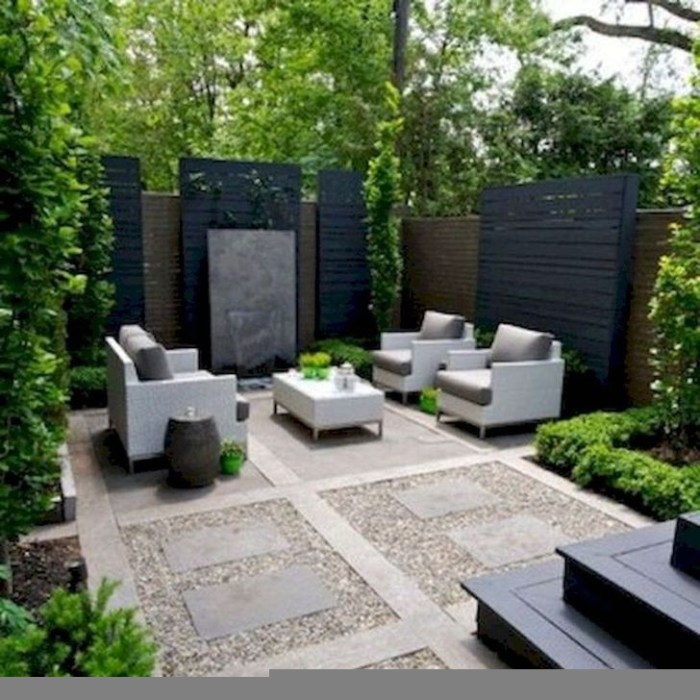
Creating a stunning garden seating area goes beyond just placing a few chairs and a table; it’s about harmonizing materials, colors, and decorative features to create a cozy and inviting atmosphere. Key design elements play a crucial role in achieving this aesthetic, ensuring that the space not only serves its functional purpose but also enhances the beauty of the garden.The incorporation of various materials and colors can dramatically affect the overall vibe of the seating area.
Natural materials like wood, stone, and metal evoke a rustic charm, while softer fabrics can add texture and warmth. Choosing a color palette that complements the surrounding flora can help integrate the seating space into the garden seamlessly. Neutral tones can provide a classic look, while vibrant colors can create a lively and cheerful ambiance.
Material and Color Selection
Understanding the impact of materials and colors can guide the creation of an inviting garden seating area. When selecting materials, consider the durability and maintenance requirements, especially if the seating area will be exposed to the elements. Common materials include:
- Wood: Provides a warm, natural look and can be treated for weather resistance.
- Metal: Offers a modern aesthetic; aluminum and wrought iron are popular choices due to their durability.
- Stone: Adds a rustic feel and is perfect for permanent seating or tables.
- Fabric: Cushions and throws should be made from weather-resistant materials to ensure longevity.
The color palette should harmonize with the garden’s surroundings. Consider using:
- Earthy tones: Greens, browns, and beiges blend beautifully with natural settings.
- Pastels: Soft colors like lavender or pale blue can create a serene atmosphere.
- Bold hues: Bright colors can add vibrancy, especially in flower-rich gardens.
Incorporation of Decorative Features
Decorative elements such as cushions and throws can significantly enhance comfort and style in the seating area. They not only add visual interest but also create a cozy environment. When choosing cushions and throws, consider the following:
- Patterns and Textures: Mix and match different patterns and textures to add depth.
- Color Coordination: Ensure that the colors of your cushions and throws complement the overall color scheme.
- Fabric Choice: Use weather-resistant fabrics to maintain the integrity of the decor against the elements.
Strategically placing these decorative items can also create focal points and enhance the overall design. For instance, a vibrant throw can stand out against a neutral sofa, while patterned cushions can bring a theme together.
Furniture Style Selection
Selecting the right furniture style is vital in creating a cohesive look that complements the garden theme. Different styles can convey various moods and functionality, ensuring that the seating area aligns with personal preferences and the garden’s character. Here are some styles to consider:
- Rustic: Wooden benches and tables with a natural finish fit well in traditional gardens.
- Modern: Sleek metal frames and minimalist designs work great in contemporary landscapes.
- Bohemian: Eclectic furniture pieces combined with vibrant colors and patterns can create a relaxed, inviting atmosphere.
Incorporating furniture that complements the garden’s aesthetic while ensuring comfort and functionality will enhance the overall seating experience and provide a delightful outdoor retreat.
Landscaping and Outdoor Decor
Creating a delightful garden seating area involves more than just choosing the right furniture; it also hinges on how well the surrounding landscape complements your vision. By thoughtfully selecting plants, pathways, and outdoor decor, you can transform your space into a serene retreat. This section explores landscaping techniques and decor that amplify the beauty and functionality of your garden seating area, while also providing a sense of privacy and comfort.
Landscaping Techniques
Incorporating the right landscaping techniques can greatly enhance the visual appeal and usability of your seating area. Plants can create a lush backdrop, while pathways guide visitors seamlessly through the garden. Here are some effective techniques to consider:
- Layered Planting: Use a mix of tall, medium, and low plants to create depth and interest. Consider incorporating perennials like coneflowers and black-eyed Susans for seasonal color, alongside evergreens for year-round greenery.
- Natural Pathways: Define walking paths using gravel, stepping stones, or mulch. These materials not only guide foot traffic but also add texture and enhance the overall design. A winding path can create a sense of exploration and tranquility.
- Native Plants: Opt for plants that are native to your region. They require less water and maintenance, and they attract local wildlife, adding a dynamic element to your garden.
Outdoor Decor Examples
Enhancing your garden seating experience can be accomplished through strategic outdoor decor elements. Each piece not only serves an aesthetic purpose but can also provide functionality. Here are some decor ideas that can elevate your space:
- Ambient Lighting: String lights or solar-powered lanterns can create a warm, inviting atmosphere as evening falls. Position lights along pathways or overhead in trees to add a magical touch.
- Sculptures and Art Pieces: Incorporate garden sculptures or art installations that reflect your personal style. A well-placed statue or a unique wind chime can serve as a focal point and stimulate conversation.
- Comfortable Textiles: Use weather-resistant cushions and throws on seating to add comfort and color. Patterns and textures can enhance the coziness and visual appeal of your seating area.
Creating Natural Barriers
For a comfortable seating area, privacy is often a key consideration. Implementing natural barriers can help create an intimate feel without sacrificing the beauty of the landscape.
- Hedgerows: Plant dense hedges around your seating area to form a natural privacy wall. Boxwoods or viburnums are excellent choices for this purpose, offering both beauty and seclusion.
- Trellises with Climbing Plants: Install trellises adorned with climbing vines, such as clematis or jasmine. They provide vertical interest and effectively block sightlines, enhancing privacy.
- Garden Walls: Consider using stone or wooden walls to enclose the seating area. These can serve as both a sound barrier and a backdrop for decorative plants.
Interior Design Influence
The aesthetics of a garden seating area can be deeply enriched by the principles of interior design. Just as a well-planned interior reflects personal style and comfort, the same philosophy applies to outdoor spaces. By drawing parallels between indoor and outdoor environments, we can create cohesive seating areas that are both functional and visually appealing.Integrating interior themes into outdoor seating designs allows for a seamless transition between the two spaces.
This connection can be achieved through the use of similar materials, color palettes, and furniture styles that echo the indoor ambiance. The goal is to create an outdoor extension of the home that feels just as inviting as the interior.
Use of Color and Materials
Color and material choices play a vital role in establishing a cohesive aesthetic between indoor and outdoor spaces. Selecting a color palette that mirrors the hues found inside the home can unify the design. For instance, if the interior features earthy tones, incorporating similar colors in the outdoor seating can enhance the overall harmony.The choice of materials is equally important.
Natural materials like wood, stone, and metal can be utilized both indoors and outdoors, creating a consistent look. Textiles used in seating cushions and outdoor rugs can feature patterns or colors that resonate with interior fabrics, ensuring that both areas complement each other.
Furniture Selection and Arrangement
The selection and arrangement of furniture significantly influence the functionality and style of garden seating areas. Drawing inspiration from indoor furniture design can enhance comfort and aesthetics outside. For example, opting for lounge chairs that mimic the plushness of indoor sofas can create a cozy outdoor retreat.Arranging outdoor furniture in a conversational layout—similar to a living room—encourages social interactions. This approach fosters an inviting atmosphere, making the outdoor area a preferred gathering spot.
Incorporating coffee tables, side tables, and even outdoor lamps can further enhance the livability of the space.
Lighting and Atmosphere
Lighting is a crucial element that bridges the gap between indoor and outdoor spaces. Just as interior design focuses on creating ambiance through lighting, outdoor areas benefit from thoughtful illumination. Incorporating string lights, lanterns, and even recessed lighting can transform a garden seating area into a magical evening setting.The interplay of light and shadow, created by trees or pergolas, can add depth and interest to the outdoor design.
Utilizing soft, warm lighting can mimic the coziness of indoor settings, encouraging relaxation and enjoyment in the garden.
Integration of Indoor and Outdoor Spaces
The seamless integration of indoor and outdoor spaces can be achieved through architectural elements. Large sliding doors or bi-fold windows can create a fluid transition between the two areas, allowing for easy access and a sense of openness.Incorporating consistent flooring materials, such as tile or decking that extends from indoors to outdoors, can visually connect the spaces. Additionally, using similar decorative elements, such as potted plants or art pieces, can harmonize the design, making the outdoor area feel like an extension of the home’s interior.
Creating unity between indoor and outdoor seating areas enhances both functionality and aesthetics, ensuring that each space complements the other.
Home Lighting Solutions
Creating a delightful garden seating area goes beyond just selecting comfortable furniture and beautiful plants; effective lighting plays a pivotal role in transforming the space into a cozy and inviting haven. The right lighting can enhance the aesthetics of your garden while also ensuring safety and usability during evening gatherings. Let’s explore some effective lighting solutions that can elevate your outdoor experience.
Effective Lighting Solutions
String lights and lanterns are two popular options for illuminating garden seating areas. These lighting solutions not only provide practical illumination but also contribute to a charming atmosphere. String lights can be draped along fences, wrapped around trees, or hung above seating areas to create a warm and inviting glow. They come in various styles, including traditional bulb shape or modern LED designs, and can even feature smart technology for added convenience.
Lanterns, on the other hand, offer a more rustic, vintage appeal. They can be placed on tables, hung from hooks, or lined along pathways to guide guests. Whether solar-powered or battery-operated, lanterns provide flexibility in placement and can be easily moved around as needed.
Impact of Lighting on Ambiance and Usability
The impact of lighting on the ambiance of a garden seating area cannot be overstated. Properly placed lights create a mood that encourages relaxation and social interaction. For example, soft, diffused lighting can enhance the tranquil atmosphere of a garden, making it a perfect retreat after a long day. In contrast, brighter lights may be more suitable for outdoor dining areas where tasks such as reading menus or socializing need adequate visibility.
Additionally, well-lit pathways and seating arrangements improve usability, allowing guests to navigate the area safely.
“Lighting not only beautifies but also ensures that every gathering is enjoyable and safe.”
Energy-Efficient Lighting Options
When it comes to outdoor lighting, energy efficiency is key. Choosing energy-efficient lighting not only reduces electricity costs but also lessens the environmental impact. Here are some options to consider:
- LED Bulbs: These bulbs use up to 80% less energy than traditional incandescent bulbs and have a longer lifespan, making them a smart investment for outdoor spaces.
- Solar-Powered Lights: Harnessing sunlight, these lights charge during the day and illuminate at night without any electricity costs. They are perfect for pathways, garden beds, and seating areas.
- Smart Lighting Systems: Utilizing smart technology, these systems allow you to control your outdoor lights via smartphone apps, enabling you to set schedules and adjust brightness levels while minimizing energy usage.
By incorporating these lighting solutions, you can create an enchanting garden seating area that is not only beautiful but also functional and energy-efficient.
Maintenance and Pest Control
Maintaining a garden seating area is essential not only for aesthetic appeal but also for ensuring a comfortable and safe environment for relaxation and gatherings. Regular upkeep keeps plants healthy, furniture in good condition, and the overall space inviting. Moreover, pest control is crucial in preserving the beauty and integrity of the outdoor area.Effective maintenance practices include regular cleaning, pruning, and ensuring that all elements of the seating area are functional.
This can prevent larger issues down the line and enhance the longevity of both natural and man-made components.
Essential Maintenance Practices
To keep your seating area in top condition, consider these vital practices:
- Regular Cleaning: Sweep and clear debris from the seating area weekly to prevent mold and mildew buildup.
- Plant Care: Schedule periodic watering, feeding, and pruning of plants to promote healthy growth and flowering.
- Furniture Maintenance: Inspect and clean outdoor furniture regularly, applying protective coatings to prevent wear and tear from the elements.
- Surface Maintenance: Treat wooden decks or patios with sealants to protect against moisture and UV damage.
Pest Control Strategies
Implementing pest control strategies specifically tailored for outdoor seating areas ensures that your space remains pleasant and free from unwanted visitors. Here are some effective strategies:
- Regular Inspections: Conduct regular checks for signs of pests such as holes in leaves, droppings, or nests.
- Natural Predators: Encourage beneficial insects like ladybugs and lacewings that prey on common pests such as aphids.
- Barriers and Traps: Use physical barriers like nets or row covers and traps that can discreetly catch pests without harming other wildlife.
- Organic Treatments: Apply organic pest control solutions, such as neem oil or insecticidal soap, which are effective against a variety of pests yet safe for plants and humans.
Pest-Resistant Plants Selection
Selecting pest-resistant plants around the seating area can significantly reduce the likelihood of infestations. Consider the following:
- Native Plants: These plants are adapted to the local environment and are less susceptible to pests.
- Aromatic Herbs: Plants like lavender, rosemary, and mint repel certain insect pests while enriching the sensory experience of the garden.
- Companion Planting: Pair plants such as marigolds with vegetables or flowers to deter pests naturally.
- Diversity in Planting: A varied plant palette can help disrupt pest cycles and create a balanced ecosystem.
Patio and Deck Integration
Designing an outdoor seating area that seamlessly blends with existing patios or decks enhances the overall aesthetic of your garden while maximizing your usable space. A well-planned integration allows for a cohesive flow between indoor and outdoor areas, creating an inviting atmosphere for relaxation and entertainment. Using decking materials for constructing seating areas not only improves durability but also adds a polished look that complements traditional garden furniture.
Decking materials, such as composite wood or treated lumber, work well in outdoor environments, providing a unified appearance that can withstand the elements while remaining stylish.
Designing a Seamless Flow Between Indoor and Outdoor Spaces
Creating a smooth transition between indoor and outdoor areas is vital for enhancing the functionality of your garden seating area. Here are several strategies to achieve this:
Material Consistency
Using the same or similar materials for both indoor flooring and outdoor decking can create an uninterrupted visual flow. For example, if your indoor space features hardwood floors, consider extending the same wood or a matching composite material to your outdoor deck.
Color Palette Coordination
Harmonizing colors between indoor and outdoor spaces can unify the design. Choose outdoor furnishings and decor that reflect the colors used within your home, which will help tie the spaces together visually.
Incorporating Sliding or Folding Doors
Installing large sliding or folding glass doors can dramatically enhance the connection between indoor and outdoor areas. These doors can be opened to extend the living space and provide an unobstructed view of the garden.
Use of Rugs and Textiles
Employing outdoor rugs that mimic indoor textiles can help define the seating area while maintaining a cozy feel. Choose textiles that are weather resistant and easy to clean to withstand outdoor conditions.
Consistent Lighting
Using similar lighting fixtures or styles both indoors and outdoors allows for a cohesive atmosphere during the evening. Consider recessed lighting on the deck that matches pendant lighting inside the home for a uniform glow.
Strategic Plant Placement
Positioning plants and greenery along the transition areas can soften the boundaries between indoor and outdoor spaces. Use potted plants or vertical gardens to create a natural connection.By implementing these strategies, you can create a beautiful and functional seating area that feels like an extension of your home, enhancing both comfort and style in your garden landscape.
Home Remodeling Considerations
Incorporating a garden seating area into home remodeling projects can significantly enhance the living experience both indoors and outdoors. It serves as a seamless transition between the home and the garden, creating an inviting atmosphere that encourages relaxation and social interaction. By considering garden seating in the overall layout of a home, homeowners can create a more functional and aesthetically pleasing environment.
The benefits of integrating outdoor seating into home remodeling projects extend beyond mere aesthetics. When planned appropriately, these spaces can provide additional entertainment areas, increase property value, and foster a stronger connection with nature. Garden seating areas can be strategically placed to capture scenic views, maximize sunlight, and ensure privacy.
Successful Remodeling Projects with Outdoor Seating
Several successful remodeling projects have effectively included garden seating areas, highlighting the potential of such designs. Here are some noteworthy examples:
1. Urban Rooftop Retreat
In a bustling city, a rooftop was transformed into a serene retreat with comfortable seating, lush greenery, and ambient lighting. This project demonstrated how to optimize limited space while creating a peaceful environment away from the city hustle.
2. Coastal Home Expansion
A coastal home remodel incorporated a spacious outdoor seating area overlooking the ocean. The use of natural materials like teak and stone aligned beautifully with the surrounding landscape, making it a perfect spot for entertaining guests or enjoying morning coffee.
3. Suburban Backyard Oasis
A suburban home added a garden seating area next to an existing patio, utilizing a mix of built-in seating and movable furniture. This design allowed for flexibility, accommodating both small family gatherings and larger parties, all while enhancing the home’s exterior aesthetics.
4. Modern Farmhouse Additions
A modern farmhouse remodel included an integrated garden seating area that blends traditional elements with contemporary style. Features such as a fire pit and pergola provide comfort and functionality, creating an inviting outdoor space that complements the indoor living areas.These project examples illustrate how thoughtfully designed garden seating areas can enhance the overall functionality and beauty of home remodeling efforts, creating inviting spaces that cater to the homeowner’s lifestyle and preferences.
New Construction Ideas
Incorporating seating areas into new garden designs has become a popular trend as homeowners seek to create inviting outdoor spaces. These areas not only enhance the aesthetics of the garden but also provide a relaxing spot for family and friends. The following sections will delve into creative design ideas for seating areas, consider how zoning laws and building codes can impact outdoor seating construction, and align these new seating elements with current landscape architecture trends.
Design Ideas for Seating Areas
When planning a new garden, integrating seating areas can greatly enhance the overall functionality and appeal of the space. Here are several innovative ideas for creating seating areas in new garden designs:
- Natural Stone Benches: Utilizing locally sourced stone to create benches blends seamlessly with the garden’s natural environment, providing a rustic yet elegant touch.
- Wooden Decking Areas: Elevated wooden platforms can serve as seating spaces surrounded by garden beds, creating a cozy nook for relaxation.
- Fire Pit Seating: Incorporating a circular seating arrangement around a fire pit offers a perfect gathering spot for chilly evenings, enhancing both warmth and ambiance.
- Integrative Seating Walls: Building low walls with integrated seating not only saves space but also creates a unique architectural feature within the garden.
- Hammocks and Swings: Adding hammocks or swing seats encourages relaxation and provides a playful element, especially in family gardens.
Zoning Laws and Building Codes
Before initiating the construction of seating areas in your garden, it is essential to understand the zoning laws and building codes that may apply. These regulations can impact various aspects of your outdoor design, including:
- Setback Requirements: Many local governments require that structures, even temporary ones like seating, be set back a certain distance from property lines.
- Permitting: Depending on the size and permanence of your seating installation, you might need to secure specific permits, particularly for larger structures.
- Height Restrictions: There may be limitations on the height of fences or walls, which can affect the design of integrated seating walls.
- Materials Regulations: Certain materials may be prohibited or restricted in residential areas due to fire codes or environmental impact considerations.
Aligning with Landscape Architecture Trends
To ensure that new seating areas in gardens are not only functional but also trendy, it is important to align them with current landscape architecture trends. Some noteworthy trends include:
- Sustainable Materials: Using recycled or sustainably sourced materials reflects a commitment to environmental stewardship and resonates with eco-conscious homeowners.
- Biophilic Design: This approach focuses on connecting people with nature, encouraging designs that incorporate natural elements and promote outdoor living.
- Versatile and Multi-functional Spaces: Modern designs prioritize flexibility, allowing seating areas to serve multiple purposes, such as dining, lounging, or socializing.
- Minimalistic Aesthetics: Clean lines and simple forms have become popular, emphasizing the beauty of the landscape without overwhelming it.
- Smart Outdoor Technology: Integrating technology for lighting, heating, or audio systems into seating areas can enhance user experience and comfort.
“Creating seating areas in gardens is not just about functionality; it’s about enhancing the overall experience of outdoor living.”
Color and Home Painting
Integrating color theory into your garden seating area can significantly enhance its aesthetic appeal. Color influences mood, draws attention, and helps create a cohesive look that aligns with your overall design vision. When thoughtfully selected, paint colors can harmonize your outdoor space with the surrounding landscape, providing a welcoming environment for relaxation and entertainment.Understanding the basics of color theory is essential for bringing your garden seating area to life.
Colors can be categorized into primary, secondary, and tertiary hues, which interact in various ways to evoke emotional responses. For outdoor furniture, it’s important to consider the natural elements in your garden when selecting paint colors. A well-chosen palette can reflect the beauty of nature while creating an inviting atmosphere.
Methods for Selecting Paint Colors for Outdoor Furniture
Choosing the right paint color for outdoor furniture involves several considerations. Here’s a breakdown of essential factors to keep in mind while making your selection:
1. Consider the Surrounding Landscape
Observe the colors of your garden plants, flowers, and existing structures. Select hues that complement these elements to create a seamless look.
2. Reflect Your Personal Style
Your choice of color should resonate with your personal taste and the overall theme of your home. Whether you prefer bold statements or subtle tones, ensure the color reflects your personality.
3. Utilize Color Schemes
Familiarize yourself with different color schemes such as monochromatic, analogous, and complementary. For instance, a monochromatic scheme using varying shades of blue can evoke tranquility, while a complementary scheme with orange and blue can create vibrant contrast.
4. Test Samples
Always test paint samples on a small section of your furniture before committing to a color. Natural light can dramatically alter how a color appears, so viewing it in different lighting conditions is crucial.
5. Durability and Maintenance
Choose high-quality outdoor paint that can withstand the elements. Color fades over time due to sun exposure and weather conditions, so opt for paints that offer UV protection.Incorporating these methods will ensure that the paint colors of your outdoor furniture enhance the overall aesthetic of your garden seating area while offering durability and longevity.
Role of Color in Creating a Cohesive Garden Aesthetic
Color plays a pivotal role in establishing a unified look throughout your garden. A cohesive garden aesthetic can be achieved through intentional color choices that create a harmonious relationship among various elements. To enhance this cohesiveness, consider the following strategies:
1. Create Focal Points
Use bold colors strategically to draw attention to specific areas or features within the garden. This could include painted seating, planters, or sculptures that serve as focal points.
2. Balance and Contrast
Strive for balance by mixing warm and cool colors. For example, pairing vibrant reds with calming greens can create depth and interest while maintaining an overall harmony.
3. Seasonal Adaptability
Choose colors that can adapt with the changing seasons. Neutral or earthy tones can provide a versatile backdrop that allows seasonal flowers to shine.
4. Consistent Palette
Maintain a consistent color palette across all elements, including furniture, cushions, and accessories. This will create a polished look and help unify the different components of your garden seating area.By effectively applying color theory and mindful selections, you can transform your garden seating area into a vibrant and cohesive outdoor retreat that reflects your style and enhances your living experience.
Final Review
In conclusion, a well-designed garden seating area not only enhances the beauty of your outdoor space but also provides a sanctuary for relaxation and socialization. By carefully considering seating options, design elements, and landscaping techniques, you can create an inviting space that reflects your personal style and meets your outdoor needs. Embrace the art of garden seating area design and transform your garden into a cherished retreat.
Commonly Asked Questions
What materials are best for outdoor seating?
Weather-resistant materials like teak, eucalyptus, aluminum, and synthetic wicker are ideal for outdoor seating, as they withstand the elements.
How can I make my garden seating area more private?
Consider using tall plants, trellises, or outdoor curtains to create a natural barrier and enhance privacy in your seating area.
What are some budget-friendly seating options?
Repurposed furniture, DIY benches, and pallet seating can provide stylish and cost-effective solutions for garden seating.
How do I maintain outdoor furniture?
Regular cleaning, applying protective coatings, and storing furniture during extreme weather can help prolong the life of your outdoor seating.
Can I integrate my garden seating area with my patio?
Yes, using complementary materials and design elements can create a seamless transition between your garden seating area and patio.