Vertical garden wall systems are transforming how we think about urban gardening and interior design. These innovative structures not only bring nature into our living spaces but also offer a plethora of benefits, from improved air quality to enhanced aesthetic appeal. With various types available, such as modular panels and pocket gardens, there’s an option for every space and style.
Whether you’re looking to beautify your home or create a stylish herb garden in your kitchen, vertical gardens can seamlessly integrate into any environment. Their flexibility and versatility allow homeowners to express creativity while enjoying the numerous advantages of green living.
Introduction to Vertical Garden Wall Systems
Vertical garden wall systems, also known as living walls or green walls, represent an innovative approach to urban greening and sustainability. These systems allow for the vertical arrangement of plants, creating lush, green façades that can enhance aesthetic appeal while offering environmental benefits. The integration of greenery into architectural designs helps in improving air quality, reducing urban heat, and providing a habitat for wildlife, transforming mundane structures into vibrant ecosystems.The market offers a variety of vertical garden wall systems, each catering to different needs and preferences.
Systems can be categorized by their structure, plant selection, and maintenance requirements. Modular systems, for instance, consist of pre-planted panels that can be easily installed and replaced, ideal for those seeking a low-maintenance option. Hydroponic systems, on the other hand, utilize nutrient-rich water solutions to grow plants without soil, which is perfect for smaller spaces where traditional soil gardening may be impractical.
Additionally, soil-based systems offer a more traditional gardening experience, promoting healthy plant growth and biodiversity.
Types of Vertical Garden Wall Systems
Understanding the different types of vertical garden wall systems can help in selecting the most suitable option for specific environments and needs. Here are some prevalent types available in the market:
- Modular Systems: These are made up of individual panels that can be assembled to create a larger wall. They are often pre-planted and easy to install, making them a favorite for quick projects.
- Hydroponic Systems: Utilizing a soil-less growing medium, these systems provide plants with nutrients through water solutions. They are ideal for urban environments where space is limited.
- Soil-Based Systems: Traditional systems that use soil as a growing medium, allowing a wide variety of plants to thrive. They may require more maintenance but can support larger plants.
- Green Facades: These systems involve climbing plants that grow on trellises or mesh structures attached to vertical surfaces, offering a natural aesthetic.
Successful installations of vertical gardens can be seen in urban areas worldwide. For example, the Bosco Verticale (Vertical Forest) in Milan, Italy, features residential towers adorned with over 9,000 trees, creating a microhabitat and a stunning visual impact. Another notable example is the One Central Park in Sydney, Australia, where green walls designed by renowned architect landscape designer Patrick Blanc bring nature into a bustling urban setting.
These projects exemplify how vertical garden wall systems not only beautify structures but also contribute significantly to urban sustainability and biodiversity.
Integration with Interior Design and Decorating
Vertical garden wall systems present a unique opportunity to enhance indoor spaces by introducing a touch of nature that is both aesthetically pleasing and functional. These green walls not only act as a striking focal point but also improve air quality and provide sound insulation, making them an ideal addition to various interior designs.Incorporating vertical gardens into interior spaces can transform the ambiance, creating a sense of tranquility and freshness.
With careful selection of plants and design elements, vertical gardens can be tailored to complement diverse decorating styles.
Design Styles that Complement Vertical Gardens
When integrating vertical garden wall systems into your indoor design, it is essential to consider the overall style of the space. Here are some design styles that pair beautifully with vertical gardens:
- Modern Minimalism: Clean lines and simplicity of design emphasize the beauty of greenery.
- Industrial: Raw materials and exposed structures create a striking contrast with lush plants.
- Scandinavian: Neutral tones and natural materials harmonize with the organic feel of vertical gardens.
- Bohemian: A mix of vibrant colors and eclectic decorations can be enhanced by the lushness of a vertical garden.
- Rustic: Natural wood finishes and earthy tones complement the organic aesthetic of living walls.
Incorporating Vertical Gardens into Various Rooms
Vertical gardens can be placed in different rooms to create a desired atmosphere. Each room has its unique design considerations and practical applications for a vertical garden:
Living Rooms
The living room is often the heart of the home, and a vertical garden can serve as a stunning focal point. Placing a green wall behind the sofa or as part of a media wall can enhance the space’s visual appeal. Choose plants that thrive in lower light to ensure they flourish in this setting.
Bedrooms
A vertical garden can create a serene retreat in the bedroom. Consider positioning it above the headboard or adjacent to a window to bring nature indoors. Soft, fragrant plants like lavender or jasmine can promote relaxation and a peaceful atmosphere.
Kitchens
Vertical gardens in kitchens can serve both aesthetic and functional purposes. Herbs such as basil, mint, and rosemary can be grown on a living wall, adding greenery and easy access to fresh ingredients while improving air quality.
Home Offices
Adding a vertical garden to a home office can improve concentration and reduce stress. Positioning it near a desk or window can create an energizing work environment. Opt for plants that require minimal maintenance, like succulents or ferns, to ensure a hassle-free experience.
Bathrooms
Vertical gardens can thrive in the humidity of a bathroom, making it an ideal location for plants such as ferns and peace lilies. A living wall here adds a spa-like ambiance and improves air quality.
“Integrating vertical gardens into interior spaces not only enhances visual appeal but also promotes well-being and improves air quality.”
By strategically placing vertical garden wall systems in various rooms and aligning them with the overall design style, you can create harmonious, inviting spaces that celebrate the beauty of nature indoors.
Application in Kitchen Improvements
Vertical garden wall systems bring a touch of nature and functionality to the kitchen, transforming ordinary spaces into vibrant culinary havens. Utilizing this innovative approach allows home chefs to easily access fresh herbs, enhancing the flavor profiles of their dishes while also improving the aesthetic appeal of the kitchen. A vertical garden not only maximizes space but also creates an inviting atmosphere that fosters creativity in cooking.Having fresh herbs at your fingertips in the kitchen offers numerous advantages.
Firstly, it ensures that you always have high-quality, organic herbs available, contributing to healthier meals without the need for preservatives found in store-bought alternatives. Fresh herbs can significantly elevate the taste of dishes, adding layers of flavor that dried herbs simply cannot match. Moreover, growing your own herbs reduces food waste and can be a sustainable practice, as you’ll only harvest what you need.
Installation Process of a Vertical Garden in the Kitchen
Implementing a vertical garden in your kitchen involves several straightforward steps that can be tailored to fit your space and style. Here’s a breakdown of the installation process:
1. Select the Right Location
Choose a spot that receives ample sunlight, ideally near a window or in a well-lit area. This will ensure your herbs thrive and grow vigorously.
2. Choose the Garden Structure
There are various vertical garden kits available, including wall-mounted planters and freestanding units. Select one that matches your kitchen’s decor and meets your space requirements.
3. Gather Materials
Ensure you have all necessary materials ready, including planting pots, soil, and herbs of your choice. Common kitchen herbs include basil, parsley, cilantro, and mint, which are great for culinary use.
4. Prepare the Planters
Fill your planters with nutrient-rich soil, leaving some space at the top for the herbs. This is crucial for proper drainage and growth.
5. Plant the Herbs
Carefully place the herbs into the soil, ensuring they have enough room to grow. Be mindful of the spacing between plants to allow for air circulation and growth.
6. Watering and Maintenance
After planting, thoroughly water the herbs. Maintain a regular watering schedule, ensuring the soil remains moist but not waterlogged. Also, consider using organic fertilizers to promote healthy growth.
7. Enjoy Your Harvest
As the herbs grow, you can begin to snip off leaves as needed for your cooking. Regular harvesting encourages continued growth and full flavor development.By following these steps, your kitchen can become a lush, fragrant space filled with the delightful aroma of fresh herbs, bringing new life to your cooking experience.
Landscaping and Outdoor Decorating
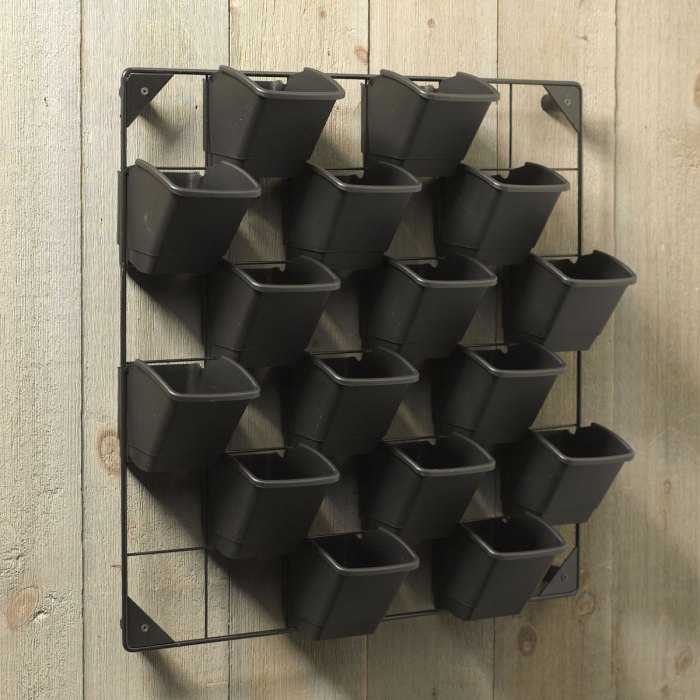
Vertical garden wall systems are revolutionizing the way we approach landscaping and outdoor decorating. These innovative systems not only maximize space but also introduce a stunning natural aesthetic that can transform any outdoor area into a vibrant sanctuary. By integrating greenery into vertical structures, homeowners can enhance their outdoor environments while improving air quality and biodiversity.In landscaping design, vertical gardens serve as multifunctional elements that can be used as focal points, privacy screens, or even art installations.
They allow for the cultivation of a diverse range of plants in limited spaces, making them ideal for urban settings where ground space may be scarce. The incorporation of vertical gardens can lead to an overall enhancement of the outdoor experience, providing a lush backdrop for social gatherings, relaxation, and recreation.
Benefits of Vertical Gardens in Outdoor Spaces
Vertical gardens can significantly upgrade various outdoor areas. Their versatility makes them suitable for a wide range of applications, from residential backyards to commercial spaces. Here are some notable examples where vertical gardens shine:
- Patios: Vertical gardens can create a cozy atmosphere on patios, where limited space may restrict traditional gardening. They can act as living walls that provide shade and privacy, making the area more inviting for gatherings.
- Balconies: For those living in apartments, vertical garden systems can transform balconies into lush retreats. By adding greenery, balconies become more appealing and can serve as personal green spaces amidst urban concrete.
- Public Parks: Many municipalities are embracing vertical gardens in public spaces to enhance aesthetic appeal and improve air quality. These installations not only beautify the environment but also engage the community in sustainability efforts.
- Rooftop Gardens: Vertical gardens on rooftops can help combat urban heat and provide insulation, while offering a unique vantage point for enjoying the outdoors.
- Entryways: Incorporating vertical gardens at entry points of homes or businesses can create a warm welcome. They add character and invite curiosity to the space.
Incorporating vertical gardens into patios and backyards is an exciting way to redefine outdoor living. Homeowners can consider using modular vertical garden systems that allow for easy installation and customization. These systems can be adorned with flowering plants, herbs, or even vegetables, depending on the desired look and functionality.
“Vertical gardens can turn any bland wall into a breathtaking canvas of color and life.”
To further enhance the outdoor experience, homeowners can accessorize vertical gardens with integrated lighting systems, which will illuminate the plants at night, creating a magical ambiance. Additionally, using irrigation systems that are built into the vertical garden design can ensure that plants receive adequate moisture, reducing maintenance efforts.Overall, vertical garden wall systems are not just a trend, but a sustainable solution that enhances outdoor spaces.
By blending creativity with functionality, they contribute to a greener and more aesthetically pleasing environment that can be enjoyed year-round.
Home Lighting Considerations
Integrating lighting with vertical garden wall systems can significantly enhance their aesthetic appeal, creating a captivating ambiance in any space. The right lighting can bring out the vibrant colors of plants, create depth, and even influence the mood of the environment. Understanding how to effectively incorporate various lighting techniques is essential for maximizing the visual impact of your vertical garden.Proper lighting not only highlights the beauty of the plants but also contributes to their health by providing necessary light for photosynthesis.
When choosing lighting options, consider the layout, the types of plants, and the overall design theme of the room or area. Different lighting methods can be used to accentuate specific features of the vertical garden, creating a dynamic interplay of light and shadow.
Integration of Lighting with Vertical Gardens
To create an inviting atmosphere around your vertical garden, it’s crucial to select appropriate lighting fixtures and techniques. Consider the following methods for highlighting your vertical garden:
- Spotlighting: Focused lighting can be used to draw attention to specific plants or features within the vertical garden. Adjustable spotlights allow for flexibility in directing light where it’s needed most.
- Backlighting: Position lights behind the garden to create a glowing effect, illuminating the plants from within and casting dramatic shadows that enhance the garden’s texture.
- Ambient Lighting: Soft, diffused light can create a warm atmosphere. Use wall sconces or ceiling fixtures to provide general light that enhances the overall visibility of the vertical garden.
- Track Lighting: This versatile option allows you to move and adjust lights along a track, making it easy to change the focus of the lighting as the plants grow or as your design preferences change.
- LED Grow Lights: If your vertical garden includes plants that require specific light wavelengths for optimal growth, consider installing LED grow lights. These can provide both functional and decorative benefits.
Selecting suitable lighting fixtures is crucial for both functionality and aesthetics. Here are some recommended fixtures that work well in conjunction with vertical garden wall systems:
- Recessed LED Lights: Install these in the ceiling above the garden to provide unobtrusive lighting that blends seamlessly with your decor.
- Wall-mounted Sconces: These can be used to cast light directly onto the garden, creating a beautiful highlight effect.
- String Lights: For a whimsical touch, drape outdoor-style string lights around the garden. They can create a magical atmosphere in outdoor settings.
- Floor Lamps: Placing adjustable floor lamps near the vertical garden can help achieve a cozy reading nook while illuminating the plants.
- Miniature Spotlights: These small, focused lights can be positioned at various angles to highlight specific plants, adding depth and interest to the overall design.
“The right lighting can transform a vertical garden into a stunning visual centerpiece, enhancing both its beauty and the overall ambiance of the space.”
New Construction and Vertical Gardens
Incorporating vertical garden systems into new construction projects presents a unique opportunity to enhance both aesthetics and functionality. These living walls not only contribute to the overall design but also promote sustainability and improve indoor air quality. As urban environments become denser, the need for green spaces in architecture is more pressing than ever, making vertical gardens an ideal solution for modern construction.Vertical gardens can transform facades and interiors, providing a lush, natural element that contrasts with traditional building materials.
One of the key advantages of including these systems in new constructions is their ability to improve thermal insulation, which can reduce energy costs and create a more comfortable living environment. Additionally, they contribute to biodiversity by providing habitats for various plant species and insects. This approach aligns well with contemporary architectural trends that prioritize eco-friendliness and innovation.
Design Concepts for Integrating Vertical Gardens
When it comes to integrating vertical gardens into modern architecture, several design concepts can be utilized to maximize their impact. Architects and builders can explore various styles and placements to create visually striking and functional installations. One popular concept is the use of modular wall systems, which allows for flexibility in design and easy installation. These systems can be tailored to fit any space, be it a large commercial building or a cozy residential unit.
Additionally, combining vertical gardens with other architectural elements such as balconies, terraces, or canopies can enhance the overall flow and visual appeal of the structure.To effectively plan for vertical gardens, builders and architects should consider the following checklist:
- Assess the building’s structural capacity to support the weight of the garden system.
- Evaluate the sunlight exposure and microclimate of the intended vertical garden location.
- Choose suitable plant species that thrive in the specific environment and require minimal maintenance.
- Incorporate a reliable irrigation and drainage system to ensure plant health and longevity.
- Design for accessibility to facilitate maintenance and care of the vertical garden.
- Consider the integration of smart technology for automated irrigation and monitoring of plant health.
Home Painting Strategies for Vertical Gardens
Creating a harmonious relationship between your vertical garden and the surrounding walls can elevate the aesthetic of any space. The right paint colors not only enhance the beauty of your vertical garden but also contribute to the overall ambiance of the room or area. It is essential to choose shades that complement the greenery and consider the preparation of the surfaces before installation to ensure a flawless finish.Surface preparation is crucial for achieving long-lasting results with any painting project, especially when it involves living installations like vertical gardens.
Properly preparing the wall surfaces will help the paint adhere better and prevent issues such as peeling or discoloration over time.
Choosing Paint Colors for Vertical Gardens
Selecting the right paint color can significantly impact the visual appeal of your vertical garden. Here are some key considerations for choosing paint colors that complement your garden walls:
- Neutral Tones: Colors like whites, beiges, and light grays provide a soft backdrop that allows the vibrant greens of the plants to stand out.
- Earthy Shades: Warm tones such as terracotta, muted browns, and olive greens can create a natural look that harmonizes beautifully with plant life.
- Accent Colors: For a bolder approach, consider using deeper shades like navy blue or charcoal. These can add depth to the space while making the greenery pop.
- Test Samples: Always test paint samples on a small section of the wall to see how they interact with natural light and the colors of your plants.
Surface Preparation for Vertical Garden Installations
Preparing the wall surface before painting is essential to ensure the best results for your vertical garden. Follow these steps for effective surface preparation:
- Clean the Surface: Remove any dirt, dust, or grease using a mild detergent and water solution. Rinse thoroughly and let it dry completely.
- Repair Imperfections: Fill any holes or cracks with suitable filler. Once dried, sand the area smooth to ensure an even surface.
- Prime the Wall: Apply a primer that is compatible with the type of paint you will use. This step enhances paint adhesion and provides a uniform base.
- Allow Primer to Dry: Follow the manufacturer’s instructions for drying time before proceeding to paint.
Step-by-Step Guide for Painting Walls with Vertical Gardens
Proper application of paint is crucial for achieving a beautiful finish. Here is a step-by-step guide on how to paint walls where vertical gardens will be installed:
- Gather Materials: Ensure you have all necessary materials ready, including paint, brushes, rollers, painter’s tape, drop cloths, and safety gear.
- Protect Surrounding Areas: Use drop cloths to protect floors and tape off areas adjacent to the wall you are painting to prevent accidental paint spills.
- Apply Paint: Start with a brush to cut in around edges and corners, then use a roller for larger areas. Apply at least two coats for even coverage.
- Check for Touch-ups: After the final coat has dried, inspect the wall for any missed spots or areas that need touch-ups.
- Allow Paint to Cure: Give the paint ample time to cure according to the manufacturer’s instructions before attaching the vertical garden.
Enhancing Patio Decks with Vertical Gardens
Vertical gardens can transform patio decks into lush, vibrant spaces that invite relaxation and enjoyment of the outdoors. By incorporating vertical gardens into deck designs, homeowners can take full advantage of their available space while adding visual interest and natural beauty. These living walls not only act as decorative elements but also provide practical benefits, such as improved air quality and natural insulation.One of the primary benefits of integrating vertical gardens on patios and decks is the efficient use of limited space.
Vertical gardens allow for a greater diversity of plants, even in tighter areas, making it easy to create a mini oasis. A well-planned vertical garden can act as a stunning backdrop for outdoor gatherings, providing a serene atmosphere amidst the hustle of daily life. Furthermore, these gardens can contribute to temperature regulation, creating a cooler environment during hot weather.
Design Ideas for Creating a Relaxing Outdoor Atmosphere
In crafting a relaxing outdoor atmosphere using vertical gardens, various design approaches can be taken. Here are some ideas to inspire the transformation of your patio deck:
Living Art Installations
Create large, framed vertical garden installations filled with colorful flowers and lush foliage. These can serve as the focal point of your patio space, drawing attention and admiration.
Privacy Screens
Utilize vertical gardens to create natural privacy screens, separating your outdoor space from neighbors or busy streets. This can be achieved with trellises adorned with climbing plants or wall-mounted planters filled with dense greenery.
Multi-Level Planters
Incorporate tiered vertical planters that not only add depth to the design but also allow for diverse plant heights. This can create a more dynamic visual experience, especially when paired with varied textures and colors.
Hanging Planters
Suspend planters from overhead structures or pergolas to introduce plants at various heights. This method can enhance the vertical space of your patio, adding a sense of depth and dimension.To ensure the success of your outdoor vertical garden, it’s essential to select plants that thrive in patio conditions. Here’s a list of suitable plants for outdoor vertical gardens on patios:
Suitable Plants for Outdoor Vertical Gardens
Considering factors like sunlight, climate, and maintenance, the following plants are ideal choices for creating stunning vertical gardens on patios:
- Succulents: Varieties such as Echeveria and Sedum are drought-tolerant and thrive in sunny spots.
- Ferns: Plants like Boston fern and maidenhair fern add lush greenery and do well in shaded areas.
- Herbs: Culinary herbs, such as basil, parsley, and mint, can be both practical and decorative.
- Flowering Plants: Choose vibrant options like petunias and nasturtiums for pops of color.
- Climbing Plants: Vining plants like jasmine or morning glory can create beautiful, aromatic displays.
Incorporating these plants not only enhances the aesthetic appeal of your patio deck but also promotes a thriving ecosystem that benefits both the plants and the surrounding environment. Vertical gardens can be a perfect solution for those looking to elevate their outdoor spaces into relaxing retreats.
Pest Control in Vertical Gardens
Maintaining a thriving vertical garden isn’t just about choosing the right plants and ensuring they get enough sunlight. It’s also crucial to keep an eye on pests that may invade these beautiful systems. Understanding the common pests that can affect vertical gardens and employing effective prevention and control strategies is essential for maintaining a healthy garden.Vertical gardens, due to their unique structure and often dense plant growth, can attract various pests.
Recognizing these threats and implementing organic pest control methods can greatly enhance the health and longevity of your vertical systems. Regular maintenance is equally important, as it helps in early detection and management of potential pest problems.
Common Pests Affecting Vertical Gardens
Several pests may target vertical gardens, and being aware of them is the first step in prevention. Some of the most common include:
- Aphids: Small, soft-bodied insects that suck plant sap, causing leaves to curl and yellow.
- Spider Mites: Microscopic pests that create fine webs and cause stippled yellowing on leaves.
- Whiteflies: Tiny, white-winged insects that also feed on plant sap and can transmit plant viruses.
- Mealybugs: Cotton-like pests that infest leaves and stems, leading to wilting and stunted growth.
- Fungus Gnats: Small flies that thrive in moist environments, their larvae feed on plant roots.
Understanding these pests allows gardeners to be proactive in their approach to maintaining their vertical gardens.
Organic Pest Control Methods
Utilizing organic pest control methods is a sustainable way to manage pests while protecting the environment. Here are some effective strategies:
- Neem Oil: A natural pesticide derived from the seeds of the neem tree, it disrupts the life cycle of pests.
- Insecticidal Soap: A soap solution that suffocates soft-bodied insects like aphids and mealybugs.
- Beneficial Insects: Introducing ladybugs or lacewings can naturally reduce pest populations.
- Companion Planting: Planting herbs like basil or marigolds can deter certain pests from your vertical garden.
- Homemade Garlic Spray: A mixture of garlic, water, and soap can repel various insects.
Emphasizing organic methods fosters a healthier garden ecosystem and keeps harmful chemicals away from home-grown produce.
Importance of Regular Maintenance
Regular maintenance is key to keeping vertical gardens vibrant and pest-free. Here are several maintenance practices that help ensure optimal health and productivity:
- Routine Inspections: Regularly check plants for signs of pest infestations or disease, allowing for prompt action.
- Proper Watering: Overwatering can attract pests like fungus gnats; maintaining appropriate moisture levels is crucial.
- Pruning and Thinning: This promotes air circulation and reduces the risk of fungal diseases and pests.
- Soil Health: Regularly refresh and amend the soil to ensure it remains nutrient-rich and pest-resistant.
- Cleanliness: Remove dead leaves and debris that can harbor pests and diseases.
Investing time in these practices not only prolongs the life of your vertical garden but also creates an environment that naturally deters pests.
A proactive approach in pest management, coupled with regular maintenance, leads to a thriving vertical garden that is both beautiful and healthy.
Home Plumbing Considerations
Integrating plumbing into vertical garden wall systems is essential for effective irrigation and overall plant health. A well-planned water management system ensures that plants receive adequate moisture while minimizing waste. This section will delve into how irrigation systems can be incorporated seamlessly into vertical gardens, focusing specifically on drip irrigation and the importance of proper water management.
Integration of Irrigation Systems into Vertical Gardens
Irrigation systems play a pivotal role in maintaining the lushness of vertical gardens. When planning the integration of these systems, several factors need consideration, including plant types, wall positioning, and overall aesthetic goals. Vertical gardens can benefit greatly from drip irrigation, which delivers water directly to the plant roots, reducing evaporation and runoff.To set up a drip irrigation system, follow these guidelines:
1. Choose the Right Components
Select a drip irrigation kit tailored for vertical gardens, including drip lines, emitters, a pressure regulator, and filters.
2. Plan the Layout
Sketch a layout of your vertical garden to determine the placements of water supply lines and drip emitters. Ensure every plant receives adequate water.
3. Install the Drip Lines
Attach the drip lines along the height of the garden wall, ensuring they are secured and positioned close to the plants.
4. Set Up the Water Source
Connect your drip system to a water source, ensuring the flow is controlled by a timer or manual valve to prevent overwatering.
5. Test the System
Before planting, run the system to check for leaks and confirm that each emitter delivers water as intended.Effective water management is crucial for sustaining vertical gardens. Overwatering can lead to root rot, while underwatering can stress plants and inhibit growth. Regular monitoring of soil moisture levels and adjusting irrigation schedules based on seasonal changes can enhance plant health and garden longevity.
“A well-maintained irrigation system is the backbone of a thriving vertical garden, ensuring each plant receives the precise amount of water it needs.”
Home Remodeling and Vertical Gardens
Incorporating vertical gardens into home remodeling projects can transform spaces, adding both aesthetic appeal and functional benefits. These green installations not only enhance the interior and exterior environments but also align with modern sustainable living trends. As homeowners increasingly seek ways to integrate nature into their living spaces, vertical gardens stand out as a unique solution that breathes life into any home.The impact of vertical gardens on home resale value can be significant.
Properties featuring well-designed vertical gardens often appeal to eco-conscious buyers and those interested in unique landscaping solutions. As the market shifts towards green living, such features can serve as a compelling selling point, potentially increasing property value and desirability. Notably, homes with tasteful and functional gardens can see an increase in buyer interest, translating to higher offers in competitive markets.
Design Considerations for Remodeling with Vertical Gardens
When planning to incorporate vertical gardens into remodeling projects, several design considerations should guide your decisions. These factors ensure that the gardens not only enhance the overall aesthetics but also function well within the chosen space. The following considerations can help in effectively integrating vertical gardens:
- Space Availability: Assess available wall space and choose locations that receive adequate light and are easily accessible for maintenance.
- Plant Selection: Choose plants that thrive in your specific environment, considering factors like light, humidity, and temperature. Popular choices include ferns, succulents, and flowering vines.
- Wall Structure: Ensure that the wall can support the weight of the vertical garden. Lightweight frames or specially designed structures may be necessary for added support.
- Irrigation System: Plan for an efficient watering system, whether it’s a drip irrigation setup or manual watering, to keep the garden healthy.
- Integration with Existing Design: Ensure that the vertical garden complements existing architectural features and interior design themes, helping create a cohesive look.
- Lighting Considerations: If natural light is limited, consider supplemental lighting options to foster plant growth while enhancing the visual appeal.
- Maintenance Accessibility: Design the garden in such a way that it is easy to maintain, allowing for pruning and watering without excessive hassle.
Incorporating these design considerations not only enhances the visual appeal of a home but also promotes a healthier living environment, making the integration of vertical gardens a smart choice in any remodeling project.
Last Word
In summary, vertical garden wall systems are more than just a trend; they are a sustainable solution that enhances both indoor and outdoor spaces. By incorporating these systems into your home, you can experience the joy of gardening while adding a unique touch to your decor. As we move towards greener living, embracing vertical gardens will undoubtedly play a significant role in shaping our future environments.
Essential Questionnaire
What are vertical garden wall systems?
They are structures designed to grow plants vertically, utilizing wall space to create lush green areas.
How do I maintain a vertical garden?
Regular watering, pest control, and pruning are essential for keeping a vertical garden healthy.
Can vertical gardens be installed indoors?
Yes, vertical gardens can thrive indoors with proper light and care.
What types of plants work best in vertical gardens?
Herbs, succulents, and other compact plants are ideal for vertical gardens.
Are vertical gardens expensive to install?
Costs can vary based on materials and complexity, but many affordable options are available.