Kitchen island with seating is more than just a functional addition to your home; it’s a centerpiece that enhances both your cooking experience and social gatherings. Imagine hosting friends while effortlessly preparing meals, all centered around a beautifully designed island that doubles as a casual dining spot.
This article explores the diverse styles, seating options, and design elements that make kitchen islands with seating not only practical but also a stunning focal point in modern kitchens. From material choices to interior decor tips, you’ll discover how to elevate your space and enjoy every moment spent in the heart of your home.
Kitchen Island Design
Kitchen islands with seating are central features in modern kitchens, providing both functionality and style. They serve as multipurpose areas for cooking, dining, and socializing, making them an essential part of contemporary kitchen design. Understanding the various design styles, proportions, and materials can enhance the overall aesthetic and usability of the kitchen island.The design of a kitchen island can vary significantly, reflecting different styles and preferences.
From sleek and modern to rustic farmhouse aesthetics, the right design enhances the kitchen’s character.
Design Styles of Kitchen Islands
There are several popular design styles for kitchen islands with seating, each catering to different tastes and functionality requirements. Here are some notable styles:
- Modern Minimalist: Characterized by clean lines, flat surfaces, and a lack of ornamentation. Colors tend to be neutral, often using materials like quartz or polished concrete.
- Farmhouse: Combines rustic charm with practicality. Features often include reclaimed wood, open shelving, and a large seating area, typically with comfortable, inviting chairs.
- Industrial: Incorporates raw materials such as metal and wood. An industrial kitchen island might feature exposed piping, concrete surfaces, and metal stools, creating a trendy urban look.
- Transitional: Blends traditional and contemporary styles, often using a mix of materials and finishes to create a harmonious and functional space.
- Coastal: Emphasizes light colors, natural materials, and relaxed aesthetics. Often includes beadboard paneling and light-hued wood, complemented by wicker or rattan seating.
Importance of Kitchen Island Proportions and Dimensions
The proportions and dimensions of a kitchen island are crucial for ensuring functionality and comfort. A well-designed island should accommodate seating without overcrowding the space, allowing for ease of movement around the kitchen. Recommended dimensions typically include a width of at least 4 feet and a length that allows for multiple seating arrangements without feeling cramped. The height of the island should match counter height (around 36 inches) for food preparation and dining or bar height (42 inches) for a more casual experience.
Proper proportions create a harmonious balance in the kitchen while providing adequate functional workspace and seating comfort.
Materials Used for Kitchen Islands
The materials selected for kitchen islands contribute significantly to their visual appeal and durability. A variety of materials can be utilized, each offering unique aesthetics and practical benefits. Here are some common materials:
- Granite: A popular choice for its durability and natural beauty, offering unique patterns and colors that can complement any kitchen style.
- Quartz: Engineered stone that provides a non-porous surface, making it resistant to stains and easy to maintain. It comes in a wide range of colors and patterns.
- Wood: Adds warmth and character, available in various finishes. Solid wood can be used for both countertops and cabinetry, while butcher block tops are excellent for food preparation.
- Stainless Steel: Ideal for a sleek, modern look. It’s highly durable and resistant to heat and stains, often used in professional kitchens.
- Concrete: Offers a contemporary look with endless customization options. It can be cast in various shapes and finishes, providing a unique urban feel.
Selecting the right materials not only enhances the aesthetics but also ensures that the kitchen island withstands daily wear and tear while remaining a focal point of the kitchen space.
Seating Options for Kitchen Islands
When designing a kitchen island, choosing the right seating options is essential for both functionality and aesthetics. The seating you select can enhance the overall look of the kitchen while also providing comfort and utility for family and guests. With various styles and heights available, it’s important to consider how these choices fit into your kitchen’s design and flow.There are several types of seating that work well with kitchen islands, each offering unique advantages.
From bar stools to built-in benches, the options available can cater to different preferences and spatial configurations. Understanding these choices will help you create a space that is not only visually appealing but also practical for daily use.
Types of Seating Available
The choice of seating significantly influences the kitchen island’s functionality. Here are some popular options to consider:
- Bar Stools: Ideal for higher countertops, bar stools come in various heights and styles. They can be swivel or stationary, allowing for easy conversation and access.
- Counter Stools: Lower than bar stools, counter stools are perfect for standard-height kitchen islands. They offer a comfortable seating option without the need for a significant height difference.
- Built-in Benches: For a more integrated look, built-in benches can provide ample seating along one side of the island. They encourage a cozy atmosphere, especially in larger kitchens.
- Dining Chairs: Using traditional dining chairs at a kitchen island is a classic choice. They can be matched with the dining area for a cohesive look.
- Adjustable Stools: These versatile options allow you to modify the height according to the island’s specifications, accommodating various users.
Considerations for Seating Height and Style
Choosing the right height and style for your kitchen island seating is crucial for ensuring comfort. A few key factors to keep in mind include:
Height Compatibility
Bar stools typically range from 28 to 32 inches in height, while counter stools are usually around 24 to 27 inches. Ensure that the seat height corresponds with the height of your island for optimal comfort.
Style Consistency
Consider the overall design of your kitchen. Whether it’s modern, rustic, or traditional, your seating should complement the existing decor. Materials such as wood, metal, or upholstered options can play a significant role in achieving the desired aesthetic.
Comfort and Functionality
Look for seating with padded seats or backs for added comfort. Additionally, consider the space needed for movement around the island, ensuring that the seating doesn’t obstruct pathways or traffic flow.
Arranging Seating for Maximum Space and Utility
Effective seating arrangement is key to maximizing both space and utility in your kitchen. Here are some strategies to consider:
Spacing
Maintain at least 24-30 inches between each seat to allow for comfortable movement. This ensures that guests can easily slide in and out without feeling cramped.
Positioning
For larger islands, consider placing seating on one or two sides only, leaving the other sides clear for cooking or preparation. This encourages social interaction while cooking and dining.
Zoning
Use seating to create distinct areas within your kitchen. For instance, a casual seating area at the island can separate the cooking zone from the dining space, making the kitchen more functional.
Flexibility
Consider using movable seating like stools, which can be tucked away when not in use. This creates a more open space, particularly in smaller kitchens.
“Selecting the right seating transforms a kitchen island into the heart of the home, blending functionality with style.”
Interior Design and Decorating
Kitchen islands with seating are more than just functional spaces; they play a pivotal role in shaping the overall decor of your kitchen. These islands often serve as the centerpiece, drawing attention and providing a focal point that harmonizes the room’s design elements. With thoughtful design choices, an island can enhance aesthetics while complementing various interior styles, from contemporary to rustic.Incorporating a kitchen island into your decor involves more than just choosing the right countertop.
The color schemes and design elements you select can significantly affect the ambiance of your kitchen. Here are some tips to help you create a cohesive look that celebrates your kitchen island.
Color Schemes and Design Elements
Choosing the right colors for your kitchen island can elevate the entire space. A well-thought-out color scheme can unify different elements in your kitchen while also reflecting your personal style. Here are some effective approaches to consider:
- Contrasting Colors: Selecting a bold color for your island can create a striking contrast against the cabinetry. For example, a navy blue island can pop beautifully against white or light-colored cabinets, making it a standout feature.
- Monochromatic Palettes: Sticking to a single color family can provide an elegant and cohesive look. Soft gray islands paired with deeper gray cabinetry can create a soothing, sophisticated atmosphere.
- Accent Colors: Incorporate accent colors through stools or decorative accessories to tie the island into the overall kitchen decor. A splash of yellow or green in bar stools can invigorate a neutral space.
Design elements such as materials and textures also affect the overall aesthetic. The choice of countertops, such as granite, quartz, or butcher block, can influence the character of the kitchen. Pairing a sleek countertop with rustic wood elements in your island can create an inviting juxtaposition that adds depth.
Accessorizing Kitchen Islands
Accessorizing your kitchen island can further enhance its appearance and functionality. Thoughtful decor can reflect your style and help blend the island with the surrounding space. Here are some ideas for accessories that complement various interior themes:
- Functional Accessories: Consider adding stylish cutting boards, knife blocks, or decorative bowls filled with fruits for a practical yet attractive display.
- Lighting Fixtures: Pendant lights above the island can serve as decorative elements while providing essential task lighting. Choose fixtures that resonate with your kitchen’s overall theme—industrial, farmhouse, or modern.
- Textiles: Incorporate textiles like table runners, placemats, or decorative trays to soften the hard surfaces. Selecting fabrics in colors or patterns that echo the kitchen’s palette can tie the look together.
- Greenery: Plants or herb pots can breathe life into your kitchen island. Fresh herbs not only serve as decorative elements but are also practical for cooking.
By carefully selecting color schemes and thoughtfully accessorizing your kitchen island, you can create a harmonious space that reflects your style and enhances the kitchen’s overall decor.
Kitchen Improvements
Incorporating a kitchen island with seating into existing layouts presents numerous benefits that can elevate both functionality and aesthetics. A well-designed kitchen island serves as a multifunctional space that not only enhances cooking efficiency but also fosters social interactions, allowing family and friends to gather comfortably. Moreover, it can significantly increase the value of the home, making it a wise investment for homeowners looking to upgrade their kitchens.Assessing whether a kitchen renovation should include a seating island involves evaluating several factors.
The available space, the number of people typically using the kitchen, and the intended purpose of the island are crucial considerations. Understanding the layout of the current kitchen and how traffic flows can help determine if an island would improve the overall functionality. Additionally, considering the style of the home and the individual needs of the family can guide the decision-making process.
Upgrading an Outdated Kitchen Island
Upgrading an outdated kitchen island to modern standards involves several key steps that can transform the space into a stylish and functional area. Here are the essential elements to consider when embarking on this upgrade:
1. Assessing Current Functionality
Evaluate what works and what doesn’t with your current kitchen island. Identify any limitations it has regarding space, storage, or seating arrangements.
2. Designing for Modern Aesthetics
Choose materials and finishes that align with contemporary trends, such as quartz countertops, open shelving, or sleek cabinetry. This can drastically improve the visual appeal of the kitchen.
3. Incorporating Smart Features
Consider integrating appliances like built-in microwaves, wine coolers, or even charging ports for electronic devices to enhance the island’s functionality.
4. Maximizing Storage Solutions
Implement drawer organizers, pull-out shelves, or cabinetry that can help declutter the kitchen and provide easy access to kitchen essentials.
5. Choosing the Right Lighting
Install pendant lights or under-cabinet lighting to create a warm, inviting atmosphere while improving visibility for tasks performed at the island.
“A kitchen island can be a central hub for cooking, dining, and socializing, making it an essential upgrade for modern homes.”
By following these steps, homeowners can effectively transform an outdated kitchen island into a modern centerpiece that meets the needs of today’s lifestyle, enhancing both usability and style.
Landscaping Outdoor Decorating
Creating an inviting outdoor space enhances not only the functionality of your home but also its overall aesthetic appeal. An outdoor kitchen island with seating serves as a central hub for gatherings, barbecues, and family meals. By integrating seating options, you transform your outdoor area into a cozy, social spot that encourages relaxation and interaction, making it perfect for entertaining guests or enjoying quiet family dinners under the stars.The materials and designs used in outdoor kitchen islands play a crucial role in their durability and visual impact.
Common materials include stone, brick, and stainless steel, which can withstand various weather conditions while providing a stylish look. These materials can be crafted into a range of designs, from sleek modern setups to rustic, traditional styles, allowing homeowners to choose options that best suit their outdoor aesthetics.
Materials and Designs for Outdoor Kitchen Islands
When selecting materials and designs for outdoor kitchen islands, it’s essential to consider both functionality and style. The following materials are popular choices due to their durability and visual appeal:
- Stone: Natural stone, such as granite or slate, provides a beautiful, sturdy surface that resists heat and weather.
- Brick: Brick offers a classic look and excellent insulation, making it a favorite for traditional-style kitchens.
- Stainless Steel: Known for its modern aesthetics and resistance to corrosion, stainless steel is perfect for appliances and countertops.
- Concrete: Versatile and customizable, concrete can be molded into various shapes and finishes, allowing for creative designs.
The choice of design can greatly affect the atmosphere of your outdoor space. Popular styles include:
- Modern Minimalist: Clean lines, neutral colors, and simple materials create a sleek, uncluttered look.
- Rustic Charm: Incorporating wood elements and distressed finishes gives a warm, welcoming feel.
- Contemporary Fusion: A combination of materials like glass and metal can provide a unique and stylish appearance.
Landscaping Ideas Around Outdoor Kitchen Islands
Landscaping around outdoor kitchen islands is vital for creating a cohesive and inviting environment. Thoughtful landscaping can enhance the functionality and beauty of the outdoor space. Below are some effective landscaping ideas that can elevate the aesthetic appeal of your outdoor kitchen area:
- Flower Beds: Incorporating colorful flower beds around the kitchen island can add vibrancy and charm, making the area more inviting.
- Pathways: Create stone or gravel pathways leading to the kitchen island, helping guide guests while adding structure to the space.
- Lighting: Install soft lighting, such as string lights or lanterns, to enhance the ambiance during evening gatherings.
- Vegetable Gardens: Adding a small herb or vegetable garden nearby not only looks appealing but provides fresh ingredients for cooking.
“A well-designed outdoor kitchen island integrates seamlessly with the landscaping, turning your backyard into a functional and beautiful extension of your home.”
By integrating thoughtful landscaping elements and choosing the right materials and designs for your outdoor kitchen island, you create a space that is both practical and visually stunning. This transformation not only improves your outdoor experience but also increases the overall value of your property, making it a worthwhile investment.
Home Lighting
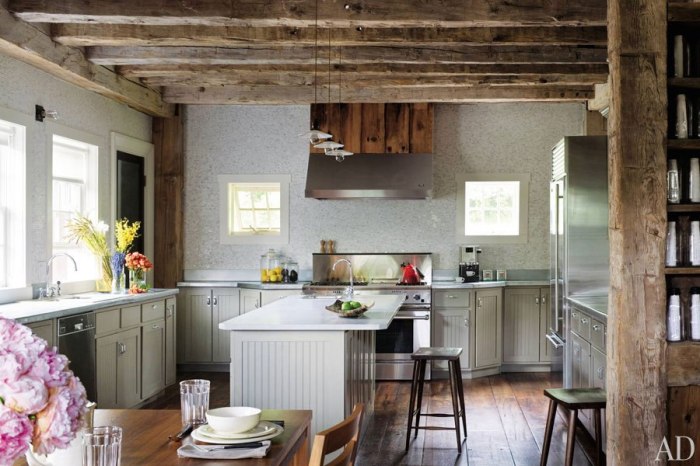
Lighting plays a crucial role in enhancing the functionality and aesthetic appeal of kitchen islands, particularly those equipped with seating. An effectively illuminated kitchen island can create a welcoming atmosphere while ensuring that the space is practical for cooking, dining, and entertaining. By combining different types of lighting, homeowners can achieve both the ambiance and utility needed for a multifunctional kitchen area.When selecting lighting solutions for kitchen islands with seating, it is important to consider the balance between ambient and task lighting.
Ambient lighting provides general illumination, while task lighting focuses on specific areas where activities are performed. This combination is essential for creating a well-lit space that caters to both social gatherings and culinary tasks.
Effective Lighting Solutions for Kitchen Islands
There are several lighting options that can be effectively utilized for kitchen islands, enhancing both mood and function. Below are some popular choices:
- Pendant Lights: Suspended from the ceiling, pendant lights can be positioned directly above the island to provide focused task lighting. These fixtures come in various styles and designs, allowing for personalization that complements the overall kitchen decor.
- Recessed Lighting: Embedded in the ceiling, recessed lights provide a sleek look while offering ample ambient lighting. Strategically placing these lights around the island can ensure even illumination throughout the space.
- Under-Cabinet Lighting: Installing lights beneath cabinets that overhang the island creates a warm glow, enhancing the visual appeal and providing additional task lighting for food preparation and dining.
- LED Strip Lights: Flexible and energy-efficient, LED strips can be placed along the edges of the island or under countertops to add a modern touch while also serving as an accent light.
The impact of ambient versus task lighting on kitchen islands cannot be overstated. Ambient lighting sets the overall tone of the kitchen, providing a warm and inviting atmosphere. In contrast, task lighting is crucial for ensuring safety and efficiency during cooking and eating.
“Properly illuminated kitchen islands with seating enhance both the functionality and aesthetic appeal of the space.”
Creating Mood and Functionality through Lighting Design
Successful lighting design involves layering different types of lighting to create mood and functionality. Here are some strategies to consider:
- Dimmer Switches: Installing dimmer switches allows for adjustable lighting levels, making it easy to transition from bright task lighting during meal prep to softer ambient lighting during casual dining or gatherings.
- Color Temperature: Choosing the right color temperature for bulbs can impact the mood. Warm white light (2700K-3000K) is inviting and cozy, while cooler lights (4000K-5000K) promote alertness and focus, which is ideal for food preparation.
- Highlight Architectural Features: Use lighting to accentuate architectural features around the kitchen island, such as decorative beams or unique backsplash tiles, enhancing the overall visual interest of the space.
- Smart Lighting Solutions: Incorporating smart lighting systems allows for customizable settings that can be controlled via smartphones or voice commands, providing convenience and flexibility in managing lighting according to activities or moods.
By thoughtfully considering the types of lighting, their placements, and the overall design, homeowners can create a kitchen island that is not only functional but also a centerpiece for social interaction and family gatherings.
New Construction
Incorporating a kitchen island with seating in new home designs is becoming increasingly popular. This multifunctional space not only enhances the aesthetic appeal of the kitchen but also promotes social interaction, making it a focal point of modern living. A thoughtfully designed kitchen island can serve as a versatile area for cooking, dining, and entertaining, contributing to the overall flow of the home.
The role of kitchen islands with seating in new constructions cannot be overstated. They create an inviting atmosphere, allowing family and friends to gather around while meals are being prepared or enjoyed. Moreover, kitchen islands can considerably increase the functionality of the space, providing additional storage and countertop surfaces. As such, careful planning and design considerations are essential when integrating an island into a new build.
Checklist for Kitchen Island Inclusion
Before adding a kitchen island with seating to your new construction, it is important to consider several factors to ensure it meets your needs and adheres to local regulations. Here’s a helpful checklist:
- Space Availability: Ensure there is sufficient space for the island without obstructing the kitchen workflow.
- Seating Capacity: Determine how many seats you want to provide, considering the size and shape of the island.
- Countertop Material: Choose a durable and aesthetically pleasing material that complements your overall kitchen design.
- Storage Options: Incorporate cabinets or shelves under the island for additional storage of utensils, cookware, or other kitchen essentials.
- Electrical Outlets: Plan for electrical outlets if you intend to use appliances on the island, such as blenders or charging stations.
- Lighting: Think about appropriate lighting solutions overhead to enhance both functionality and ambiance.
- Accessibility: Ensure that the island is easily accessible from all sides, particularly if the kitchen will be used by individuals with mobility issues.
Building Codes and Regulations
When planning for a kitchen island in new constructions, it is critical to be aware of building codes and regulations that may influence your design choices. Local building codes often dictate specific requirements regarding the following aspects:
- Minimum Clearance: Building codes usually specify the required clearance around the island to ensure safe movement within the kitchen.
- Electrical Safety: Regulations may require specific installations for electrical outlets, ensuring they are properly grounded and accessible.
- Ventilation Standards: If your kitchen island will include a cooktop, ventilation requirements must be adhered to in order to ensure proper airflow and safety.
- Structural Integrity: Any modifications to support the island must comply with structural guidelines to maintain the safety and integrity of the home.
Proper adherence to building codes not only ensures safety but also helps in avoiding potential fines or complications during inspections.
Integrating a kitchen island with seating into new home designs offers numerous benefits, enhancing both the functionality and style of the kitchen. By carefully considering placement, design elements, and local regulations, homeowners can create a beautiful and efficient space tailored to their lifestyle.
Home Painting
Painting your kitchen island offers a fantastic opportunity to infuse personality and vibrancy into your culinary space. The choice of color can dramatically influence the overall mood of the kitchen, setting the tone for both cooking and social interactions. Whether you aim for a soothing, neutral palette or a bold, vibrant hue, the right paint can transform not just the island, but the entire kitchen ambiance.Choosing colors for your kitchen island requires thoughtful consideration of the existing color scheme and the atmosphere you wish to create.
A soft white or pale gray can evoke a sense of elegance and spaciousness, while deeper colors like navy blue or forest green can add sophistication and warmth. Additionally, pastel shades can promote a calm and inviting environment, whereas bright colors such as yellow or orange can energize the space and stimulate creativity.
Techniques for Painting Kitchen Island Surfaces
Achieving a flawless finish on your kitchen island requires the right techniques. Preparing the surface properly is crucial for a long-lasting outcome. Start by cleaning the island to remove any grease or debris, then lightly sand the surface to create a good bonding surface for the paint. Using high-quality primer is essential, especially if you’re painting over a darker color or a glossy surface.
After priming, choose a paint designed for high-traffic areas, such as a semi-gloss or satin finish, as these are more durable and easier to clean. Applying multiple thin coats instead of one thick layer can help achieve an even, professional-looking finish.
Highlighting Architectural Features of Kitchen Islands with Paint
Painting can also be strategically used to emphasize the architectural features of your kitchen island. Use contrasting colors to draw attention to unique elements, such as raised panels, moldings, or open shelving. For instance, painting the main body of the island a neutral shade while using a bold color on the base or countertop can create visual interest and depth.
Consider using stencils or tape to apply patterns or designs, offering a personalized touch that reflects your style. For instance, a geometric pattern in a subtle color can add texture and complexity without overwhelming the space. Additionally, highlighting the island’s edges or the underside of the countertop with a different color can produce an elegant effect, creating a sense of dimension that enhances the kitchen’s design.
Patio Deck
Integrating a kitchen island into a patio deck can create a vibrant atmosphere for entertaining guests, enhancing both functionality and aesthetics. A well-designed outdoor kitchen island serves as a focal point, offering convenience for food preparation and socializing, while complementing the overall space of your patio.When planning an outdoor kitchen island on a deck, it’s crucial to select materials that withstand the elements while maintaining style.
Suitable materials include weather-resistant woods like teak or cedar, stainless steel for appliances and countertops, and composite materials that mimic natural wood without the upkeep. These choices not only enhance durability but also contribute to the overall design cohesion of your outdoor space.
Design Ideas for Seamless Transitions
Creating a smooth flow between indoor and outdoor kitchen spaces involves thoughtful design choices. Here are some aspects to consider:
Open Layout
An open layout allows for easy movement between the indoor and outdoor kitchen areas. Consider sliding glass doors or large windows that can be fully opened, creating a seamless transition.
Consistent Flooring
Using the same flooring material for both indoor and outdoor spaces can visually unify the areas. Options like porcelain tiles, natural stone, or high-quality outdoor-rated vinyl can work well.
Color Palette
Maintain a cohesive color scheme between both spaces. Using similar shades for cabinetry, furniture, and decor can link the indoor and outdoor kitchens harmoniously.
Outdoor Appliances
Equip your outdoor kitchen island with appliances like a grill, sink, or refrigerator that match those indoors. This continuity in functionality enhances the outdoor cooking experience.
Lighting Design
Incorporate ambient lighting that matches the indoor setup to ensure the outdoor space is well-lit during evening gatherings. Pendant lights over the island or recessed lighting in the ceiling can create an inviting atmosphere.
Natural Elements
Integrating natural elements such as planters or living walls can enhance the outdoor experience and connect the kitchen to the surrounding landscape, making it feel like a natural extension of the home.
Furniture Style
Choose outdoor furniture that mirrors indoor styles, ensuring a consistent aesthetic. Comfortable seating options around the island can encourage social interactions and elevate the entertaining experience.By considering these elements, homeowners can create a beautifully integrated patio deck that enhances their outdoor living experience while maintaining a connection to the indoor cooking space.
Pest Control
Pest control is an essential aspect of maintaining a clean and functional kitchen, especially in areas with kitchen islands and seating. These spaces can attract various pests due to food spills, crumbs, and moisture. Understanding potential pest issues and implementing preventive measures can help keep your kitchen environment safe and welcoming.Identifying pest issues that may arise with kitchen islands and seating areas is crucial for effective management.
Common pests include ants, cockroaches, and rodents, which are often drawn to food remnants. Additionally, the presence of dampness near sinks or under cabinets can attract insects like silverfish or termites, potentially leading to more significant structural problems over time. It’s important to keep an eye out for signs of infestations, such as droppings, nests, or unusual odors.
Preventive Measures to Protect Kitchen Islands from Pests
Implementing preventive measures can significantly reduce the likelihood of pest problems around your kitchen island. Here are some strategies to maintain a pest-free environment:
- Regular Cleaning: Frequent cleaning of the kitchen surfaces, including the island and seating areas, helps eliminate food particles that attract pests. Wipe down counters and sweep floors daily.
- Seal Cracks and Gaps: Inspect the kitchen for cracks or gaps near walls, cabinets, and plumbing. Sealing these openings with caulk or weather stripping can prevent pests from entering.
- Proper Food Storage: Store food in airtight containers to prevent access for pests. Additionally, ensure that pantry items are tightly sealed and organized.
- Monitor Moisture Levels: Keep an eye on areas prone to moisture, such as under sinks or near refrigerators. Fix leaks promptly and use dehumidifiers if necessary.
- Natural Deterrents: Consider using natural pest deterrents like essential oils (e.g., peppermint or tea tree oil) to repel insects without harmful chemicals.
Maintenance Tips to Keep Kitchen Islands Pest-Free
Maintaining a pest-free kitchen island requires ongoing efforts and vigilance. Here are some effective maintenance tips:
- Regular Inspections: Conduct routine checks for signs of pest activity, such as nests or droppings, especially in hidden areas.
- Professional Pest Control: Engage a professional pest control service for regular inspections and treatments, particularly if you notice persistent pest issues.
- Keep Garbage Sealed: Ensure that garbage cans are tightly closed and emptied frequently to eliminate potential food sources for pests.
- Outdoor Management: Maintain the outdoor area around your kitchen by trimming shrubs and keeping debris away from the house, which can harbor pests.
- Training Family Members: Educate all family members about cleanliness and proper food handling to minimize pest attraction.
“A clean kitchen is the first step towards a pest-free home.”
Home Plumbing
When designing a kitchen island, particularly one that includes a sink, the plumbing considerations become essential to ensure functionality and convenience. Proper plumbing setup not only enhances the usability of the kitchen island but also impacts the overall kitchen layout and aesthetic. This segment delves into the crucial aspects that should be considered regarding plumbing when integrating sinks into kitchen islands.The layout of plumbing systems is a significant factor influencing the placement and design of kitchen islands.
A well-planned plumbing system allows for easier access to water supply and drainage, while also accommodating other kitchen functionalities. The planning phase should involve a careful analysis of existing plumbing lines, as relocating these can be time-consuming and costly.
Plumbing Considerations for Kitchen Islands with Sinks
Integrating a sink into a kitchen island involves multiple plumbing considerations that play a vital role in functionality. Below are the key elements to evaluate before proceeding with installation:
- Water Supply Lines: Ensure that the water supply lines are appropriately installed under the island. This may involve extending existing lines or installing new ones to ensure adequate pressure and accessibility.
- Drainage System: A proper drainage system must be established to handle wastewater effectively. The sink drain should connect to the main drainage line, requiring adequate slope for proper flow.
- Ventilation: Venting is crucial to prevent sewer gases from entering the home. Consider installing a vent pipe that connects to the existing vent system to maintain air pressure in the plumbing.
- Access to Existing Plumbing: During the design phase, ensure that the kitchen island is positioned in a way that allows easy access to existing plumbing fixtures for maintenance and potential repairs.
Guidance for Installing Plumbing Fixtures in Kitchen Islands
Installing plumbing fixtures in a kitchen island requires careful planning and execution. It is essential to ensure that the installation meets local codes and regulations while also considering the aesthetic of the kitchen. Here are some guidelines to follow:
- Location of Fixtures: Position your sink and any additional fixtures in a way that allows for comfortable use and accessibility. Consider how the space will be used daily when deciding on their placement.
- Professional Help: Engaging a licensed plumber is highly recommended to handle complex plumbing tasks. This ensures compliance with local building codes and mitigates the risk of future plumbing issues.
- Choosing Fixtures: Select fixtures that complement the overall kitchen design. Factors such as size, style, and finish should align with the rest of the kitchen decor.
- Testing: Once installed, thoroughly test all fixtures for leaks and proper operation. This can save from potential water damage and costly repairs down the line.
Home Remodeling
The incorporation of kitchen islands with seating has become a defining element in many home remodeling projects. Their multifunctional nature not only enhances the kitchen’s aesthetic appeal but also adds significant value to the home. As homeowners seek to create open, inviting spaces, kitchen islands serve as a central hub for cooking, dining, and socializing, ultimately transforming the overall functionality of the home.
Integrating a kitchen island with seating into an open floor plan requires careful planning and execution. The following steps Artikel an effective approach to achieve a seamless blend of kitchen and living areas:
Steps for Integrating Kitchen Islands into Open Floor Plans
Before initiating the design process, it’s essential to consider layout, flow, and functionality. Here are the key steps to follow:
1. Assess the Space
Evaluate the kitchen’s size and shape to determine the best positioning for the island.
2. Choose the Right Size
Ensure the island complements the overall kitchen scale, allowing for adequate space around it for movement and seating.
3. Select Materials
Opt for finishes and materials that harmonize with the kitchen cabinetry and decor for a cohesive look.
4. Plan for Utilities
If the island will host appliances (e.g., a cooktop or sink), plan electrical and plumbing requirements early in the design process.
5. Design Seating Options
Choose seating that enhances the island’s purpose, such as bar stools or dining chairs, ensuring they fit comfortably within the design.
“A well-integrated kitchen island not only boosts functionality but also elevates the entire home’s appeal.”
Inspiring remodeling success stories often showcase the transformative power of kitchen islands. Consider the following examples that illustrate how these installations can redefine spaces:
Inspiring Remodeling Success Stories
These remarkable projects highlight the impact of kitchen islands in diverse home remodels:
Modern Minimalist Makeover
A compact city apartment utilized a sleek, white kitchen island with integrated seating to create an airy and functional space. The seamless design allowed for a smooth transition between the kitchen and living area, enhancing both function and style.
Rustic Charm in Suburban Homes
A family home in the suburbs added a large, wooden island featuring built-in storage and a cozy breakfast bar. This addition not only provided extra counter space but also became a favorite gathering spot for family meals.
Coastal Retreat Renovation
A seaside cottage underwent a complete remodel, featuring a stunning kitchen island with reclaimed wood accents and ocean-inspired colors. The open layout encouraged natural light and views of the beach, making it a serene cooking and entertaining space.
In each of these examples, kitchen islands served as the focal point of their respective spaces, underscoring their role in successful home remodeling projects. By thoughtfully planning and executing the integration of kitchen islands, homeowners can create functional, inviting spaces that cater to both daily living and entertaining needs.
Closure
In conclusion, a kitchen island with seating offers a unique blend of functionality and aesthetic appeal that can transform your culinary space into a welcoming environment. Whether you’re cooking a family dinner or entertaining guests, these islands create an inviting atmosphere that fosters connections and enhances your daily routines.
Q&A
What are the best materials for kitchen islands?
Popular materials include wood, granite, quartz, and stainless steel, each offering different aesthetics and durability.
How much space should I leave around my kitchen island?
A minimum of 42 inches is recommended for comfortable movement and access around the island.
Can I add a sink to my kitchen island?
Yes, adding a sink is a popular option that enhances functionality, but it requires careful plumbing considerations.
What seating height is best for kitchen islands?
Counter height seating typically measures 24-26 inches, while bar height seating is 28-30 inches, depending on your island’s height.
How can I light my kitchen island effectively?
Using pendant lights or recessed lighting can create a visually appealing and functional lighting solution for your island.