Backsplash ideas for modern kitchens can transform ordinary cooking spaces into extraordinary culinary experiences. This often-overlooked design element not only adds visual appeal but also serves practical purposes, such as protecting walls and making cleaning easier. With a variety of materials, colors, and patterns to choose from, the options for creating a stunning backsplash are virtually limitless.
From sleek ceramics to vibrant glass tiles, understanding the nuances of each material helps in selecting the best option that complements your kitchen’s style. Exploring different colors and textures can enhance the mood of the space while ensuring your backsplash remains a focal point. With DIY options and professional installation tips, there’s something for everyone looking to elevate their kitchen design.
Backsplash Materials
When it comes to reimagining modern kitchens, the backsplash is a focal point that can significantly influence the overall aesthetic and functional appeal. Choosing the right material for your backsplash can enhance the design while also providing durability and ease of maintenance. Here, we will explore various materials commonly used for modern kitchen backsplashes, their advantages and disadvantages, and some innovative combinations that can elevate your kitchen design.
Ceramic Backsplashes
Ceramic tiles are a popular choice for kitchen backsplashes due to their versatility and affordability. They come in a wide range of colors, styles, and patterns, allowing homeowners to customize their spaces easily.
- Pros:
Resistant to moisture, easy to clean, and available in numerous designs.
- Cons:
Can be prone to chipping and may require grout maintenance.
Glass Backsplashes
Glass backsplashes add a sleek, modern look to kitchens and can create a sense of openness and light. Available in both clear and colored options, glass can also be back-painted for a custom touch.
- Pros:
Non-porous, easy to clean, and reflects light beautifully.
- Cons:
More expensive than other materials and can be challenging to install without professional help.
Stone Backsplashes
Natural stone options such as granite, marble, and quartzite are known for their durability and unique aesthetics. Each stone has its own distinct characteristics, providing a rich texture and warmth to the kitchen.
- Pros:
Highly durable, heat resistant, and adds an upscale feel.
- Cons:
Can be porous (requiring sealing), heavy, and more costly compared to other materials.
Unique Material Combinations
To create a truly innovative backsplash design, mixing materials can be an effective strategy. Combining ceramic and glass, for instance, can add depth and contrast, while stone and metal together can provide a modern industrial look.
- Combining ceramic tiles with glass accents creates visual interest and can enhance light reflection.
- Using natural stone paired with stainless steel trim can introduce a luxurious yet contemporary feel to the kitchen.
- Incorporating patterned cement tiles with plain white backing can serve as a stunning focal point while still keeping the overall design clean and modern.
Color Schemes
In modern kitchen design, the choice of color can dramatically influence the overall aesthetic and feel of the space. The right color schemes for backsplashes not only enhance the beauty of the kitchen but also complement cabinetry and other design elements. As interior design trends evolve, certain colors emerge as popular choices that resonate well with contemporary styles.Contemporary kitchens often showcase a harmonious blend of colors, creating a cohesive look.
Neutral tones like whites, grays, and beiges remain timeless, while bolder colors such as navy blue, emerald green, and rich burgundy are becoming increasingly popular for backsplashes. These vibrant hues can create a striking contrast against lighter cabinets, adding depth and character to the kitchen.
Popular Color Trends
Using the right color palette for your kitchen backsplash can significantly affect the atmosphere of your cooking space. A well-planned color scheme not only enhances the visual appeal but can also influence the mood of the kitchen. Here are some of the most popular color trends and how they complement cabinetry:
| Color | Complementary Cabinetry | Mood Influence |
|---|---|---|
| White | Dark woods or bold colors | Bright and fresh |
| Gray | White or light wood | Calm and sophisticated |
| Navy Blue | White or light gray | Elegant and cozy |
| Emerald Green | Natural wood tones | Rich and inviting |
| Burgundy | Soft neutrals | Warm and intimate |
Different colors can evoke various emotions and create distinct atmospheres. For instance, light colors like white and pale gray tend to make spaces feel more open and airy, promoting a sense of cleanliness. On the other hand, darker shades like navy and emerald can add a layer of sophistication and warmth, making the kitchen feel more inviting.
“Choosing the right color scheme for your backsplash can turn an ordinary kitchen into a stunning focal point.”
By thoughtfully selecting colors that complement your cabinetry and fit your desired mood, you can create a kitchen space that reflects your personal style while remaining functional and inviting.
Patterns and Textures
In modern kitchen design, patterns and textures play a vital role in defining the overall aesthetic and ambiance of the space. A carefully chosen backsplash can serve as a focal point, adding depth and character to the kitchen environment. Whether you prefer subtle sophistication or bold statements, understanding the variety of options available can help elevate your kitchen’s design.
Textures and patterns are essential in creating visual interest, allowing for creativity and personalization within a kitchen. The interplay of light and shadow on different surfaces can significantly impact how a kitchen feels and looks. Textured backsplashes can evoke warmth and coziness, while smooth surfaces might contribute to a sleek, contemporary vibe. Here are some popular patterns often seen in modern kitchen backsplashes:
Popular Backsplash Patterns
Incorporating specific patterns into your backsplash design can enhance the visual dynamics of your kitchen. Below are some of the most sought-after styles:
- Herringbone: This classic pattern adds a sense of movement and elegance to a backsplash. Arranging tiles in a zigzag pattern creates an eye-catching design that works beautifully in both traditional and contemporary settings.
- Subway Tiles: Timeless and versatile, subway tiles offer a clean and structured look. Their rectangular shape allows for various arrangements, including vertical, horizontal, and staggered layouts, making them a popular choice for modern kitchens.
- Mosaic: Mosaic backsplashes are perfect for adding a splash of color and creativity. Made from various small tiles or pieces of glass, they can create intricate designs and patterns, allowing for unique and personalized expressions of style.
Impact of Texture in Kitchen Design
The importance of texture in a backsplash cannot be overstated. Textured finishes can create layers of richness in design, transforming a simple kitchen into a visually stimulating space. Textured materials can range from rough stone to smooth glass, each contributing to the overall feel of the kitchen. Here are some examples of textured backsplashes that enhance modern kitchen aesthetics:
- 3D Textured Tiles: These tiles feature raised patterns that catch the light beautifully, adding depth and intrigue to the kitchen. They can be made from ceramic, glass, or even metal.
- Natural Stone: Textured natural stone backsplashes, such as slate or travertine, bring an organic feel to the kitchen. The irregularities in the stone surface create a rustic yet refined vibe.
- Glass Tiles: Glossy or matte glass tiles can introduce a sleek, modern look. Textured glass adds dimension and can reflect light, enhancing the overall brightness of the room.
“A well-designed backsplash is not just functional but a canvas for creativity and personal expression in the kitchen.”
Functional Aspects
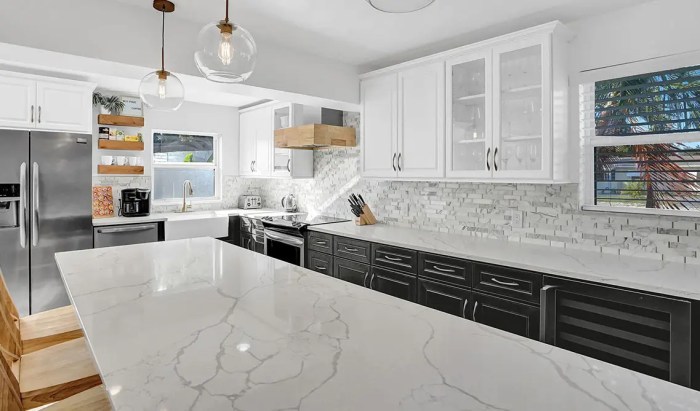
Installing a backsplash in modern kitchens serves more than just an aesthetic purpose; it plays a vital role in enhancing functionality. A well-chosen backsplash can significantly improve cleanliness and maintenance, making life in the kitchen more manageable and enjoyable. Understanding its practical benefits can help homeowners make informed decisions about their kitchen design.Backsplashes are particularly effective at safeguarding walls from the inevitable mess that comes with cooking.
They act as a barrier against splatters from sauces, oils, and other liquids. Additionally, they help to mitigate damage from moisture, which is common in kitchens due to steam from cooking and washing dishes. The right backsplash material will not only look good but will also resist stains and moisture, making it easier to clean and maintain a neat appearance.
Material Selection Based on Usage
Choosing the appropriate material for a backsplash is critical, especially when considering individual cooking habits and kitchen usage. Different materials offer varying levels of durability, ease of cleaning, and resistance to stains and moisture. Here are some common materials, their benefits, and considerations:
- Tile: Ceramic or porcelain tiles are popular choices due to their wide range of colors and patterns. They can withstand heat and are easy to wipe clean, making them suitable for high-traffic kitchens.
- Glass: Glass backsplashes provide a sleek, modern look and are resistant to moisture and stains. They are easy to clean but can be prone to scratching, so careful usage is essential.
- Stainless Steel: This material is highly durable and resistant to heat, moisture, and stains. Stainless steel backsplashes are often found in professional kitchens and are easy to wipe down, though they can show fingerprints and scratches.
- Natural Stone: Materials like granite or marble offer a luxurious feel but may require more maintenance due to their porous nature. They are best suited for moderate-use kitchens where spills are less frequent.
Considering these factors ensures that the chosen backsplash material complements both the kitchen’s design and the homeowner’s cooking style, ultimately leading to a functional and appealing space.
“A well-chosen backsplash not only enhances the aesthetic appeal of a kitchen but also plays a crucial role in protecting walls from damage and simplifying maintenance.”
DIY Backsplash Installation
Installing a backsplash can be a fun and rewarding project for homeowners looking to enhance their kitchen’s aesthetic and functionality. With some basic tools, a little creativity, and a sprinkle of DIY spirit, you can transform your kitchen space without breaking the bank. This guide will walk you through the essential steps for a successful DIY backsplash installation.When it comes to installing a backsplash, preparation is key.
Understanding the tools and materials you’ll need, as well as being aware of common pitfalls, can make all the difference during your installation process. Here’s a comprehensive overview of what you need to get started and how to ensure your installation goes smoothly.
Essential Tools and Materials
Before diving into the installation, gather your tools and materials. Having everything at hand will streamline the process and reduce frustration.
- Tiles: Choose your preferred backsplash tiles, whether they are ceramic, glass, or stone.
- Adhesive: Thin-set mortar or tile adhesive will be required to secure your tiles.
- Grout: Select the appropriate grout for your tiles, considering color and type.
- Spacers: These will help maintain uniform gaps between tiles for even grout lines.
- Tile cutter: A wet saw or a manual tile cutter will be necessary for fitting tiles around outlets and edges.
- Notched trowel: This tool is used to spread adhesive evenly on the wall.
- Level: Ensuring your tiles are straight and even is crucial for a professional finish.
- Sponge and bucket: You’ll need these for cleaning grout haze and applying grout.
- Caulking gun: Useful for applying caulk around edges to create a finished look.
Step-by-Step Installation Process
To achieve a polished backsplash, follow these steps to guide your installation.
1. Preparation
Start by cleaning the wall surface to remove any grease or debris. Ensure it’s dry and smooth for the best adhesion.
2. Measure and Plan
Measure the area where you’ll install the backsplash. Mark vertical and horizontal lines using a level to ensure tiles are placed evenly.
3. Apply Adhesive
Using the notched trowel, apply the adhesive to the wall in small sections, only as much as you can cover with tiles before it sets.
4. Lay the Tiles
Begin placing tiles from the center of your marked lines, pressing them into the adhesive. Use spacers for even spacing between each tile.
5. Cut Tiles as Needed
For edges and corners, measure and cut tiles accordingly to fit snugly.
6. Grouting
After allowing the adhesive to set, remove spacers and mix your grout. Apply it using a float, ensuring all gaps are filled. Wipe away excess grout with a damp sponge.
7. Finishing Touches
Allow the grout to cure according to manufacturer instructions. Once cured, apply caulk around edges for a clean finish.
Common Mistakes to Avoid
Even experienced DIYers can make mistakes, so it’s crucial to be aware of common pitfalls.
- Skipping Surface Preparation: A dirty or uneven surface can lead to poor adhesion and an uneven appearance.
- Incorrect Measurement: Measure twice before cutting; inaccurate measurements can waste materials and time.
- Poor Grout Application: Not filling all gaps can lead to moisture issues later. Ensure the grout is applied thoroughly.
- Ignoring Drying Times: Rushing through stages like adhesive setting and grout curing can lead to misalignment and cracking.
- Not Using Spacers: Omitting spacers may result in uneven tile placement, ruining the visual appeal.
“A well-installed backsplash not only enhances your kitchen’s style but also provides functional protection against water and stains.”
Integration with Kitchen Improvements
Upgrading your kitchen backsplash is not just about aesthetics; it can also serve as a pivotal element in a broader kitchen renovation. A well-chosen backsplash can unify various design components, enhance functionality, and increase the overall appeal of your kitchen space. This section explores how to integrate backsplash upgrades with other kitchen improvements effectively.A backsplash often acts as a visual anchor in the kitchen and can influence the selection of other materials, such as countertops and cabinets.
When selecting a backsplash, it’s essential to consider how it will complement or contrast with these elements to create a cohesive look. Here are several kitchen improvements that pair well with backsplash upgrades:
Kitchen Improvements that Pair Well with Backsplash Upgrades
When contemplating a kitchen overhaul, consider the following upgrades that harmonize beautifully with a new backsplash:
- Countertops: A transformative backsplash can elevate the look of existing countertops or inform your choice of new ones. For example, a bold, colorful tile backsplash can create a stunning focal point against a neutral granite or quartz countertop.
- Cabinets: The style and color of your cabinets can significantly influence the backsplash design. If you have dark cabinets, a light-colored backsplash can create contrast, while a matching cabinet color can provide a seamless transition.
- Lighting Fixtures: Upgrading your lighting can highlight the beauty of your new backsplash. Pendant lights or under-cabinet lighting can draw attention to your backsplash’s colors and textures, enhancing its visual impact.
- Flooring: The choice of flooring can ground the overall design. A modern tile floor can complement a sleek glass backsplash, while rustic wood flooring can harmonize with a classic subway tile.
- Appliances: Matching your backsplash to your appliance finishes, such as stainless steel or matte black, can create a cohesive kitchen aesthetic, making each element feel connected.
- Kitchen Islands: If your kitchen features an island, consider extending the backsplash design to the island’s sides to create a consistent look throughout the space.
In integrating these elements, it’s important to create a cohesive design that reinforces the overall theme of your kitchen. For example, if you’re going for a modern minimalist look, pairing a sleek, subway tile backsplash with white cabinetry and a quartz countertop can create a clean and inviting atmosphere. Alternatively, a rustic farmhouse aesthetic might be achieved by combining a textured ceramic tile backsplash with reclaimed wood cabinets and a butcher block countertop.
“A well-coordinated kitchen design goes beyond individual components; it creates a harmonious space that reflects personal style.”
In summary, the integration of a backsplash with other kitchen improvements can transform the entire space. Whether you’re opting for a contemporary vibe or a cozy, traditional feel, thoughtful combinations of materials and finishes will create a stunning and functional kitchen environment.
Outdoor Kitchen Backsplash Ideas
Creating an outdoor kitchen can be an exciting way to enhance your home and enjoy al fresco dining. A stylish backsplash not only serves a functional purpose but also adds character and style to the outdoor cooking space. Selecting the right materials and colors is essential, especially considering the weather elements that can affect your design choices. Unique outdoor kitchen backsplash ideas can ensure your space is as inviting as it is durable.When designing an outdoor kitchen backsplash, it’s crucial to choose materials that can withstand exposure to the elements while maintaining their aesthetic appeal.
The right backsplash can tie in with landscaping and other outdoor features, creating a harmonious environment. Below are several material options and design ideas for your outdoor kitchen backsplash.
Material Options for Outdoor Use
Choosing the right materials for an outdoor backsplash is fundamental to ensuring longevity and resistance to weather conditions. Here are some excellent choices that are both functional and visually appealing:
- Porcelain Tiles: Known for their durability, porcelain tiles are resistant to moisture and fading, making them a prime choice for outdoor kitchens. They come in various colors and patterns, mimicking natural stone or wood.
- Natural Stone: Materials like granite, slate, or quartzite offer a rustic, elegant look and are weather-resistant. They can add a touch of luxury to your outdoor space.
- Glass Tiles: These tiles can reflect light beautifully and are easy to clean. Make sure to select tempered glass to ensure durability against the outdoor elements.
- Metal Panels: Stainless steel or copper backsplashes can provide a modern, industrial look. They are resistant to heat and easy to maintain, making them ideal for outdoor cooking.
- Recycled Materials: Consider eco-friendly options like recycled glass or composite materials, which are not only sustainable but also stylish and resilient against outdoor conditions.
Color and Design Considerations
Colors play a pivotal role in enhancing the aesthetic of an outdoor kitchen. Choosing shades that complement the surrounding landscaping can create a seamless transition between your cooking area and nature. The following color schemes can enhance your outdoor kitchen backsplash:
- Earthy Tones: Colors like terracotta, beige, and olive green can harmonize with natural elements, blending beautifully with plants and outdoor features.
- Cool Blues and Greens: These hues can evoke a sense of calm and are reminiscent of water and sky, providing a refreshing contrast to the warm colors of cooking and grilling.
- Bright Accents: Adding vibrant colors like red, yellow, or orange in your backsplash can create focal points and energize the outdoor space, inviting more social interaction.
- Neutral Shades: Whites, grays, and blacks are timeless options that provide versatility and can easily adapt to changing outdoor decors or seasonal themes.
“An outdoor kitchen should feel like an extension of your home, where the backsplash serves as a canvas that celebrates both function and style.”
Incorporating these elements into your outdoor kitchen design can elevate both its functionality and visual appeal, creating a space that you, your family, and friends will enjoy for years to come.
Home Lighting Considerations
The right lighting can dramatically transform a modern kitchen, particularly when it comes to highlighting the beauty of a backsplash. Effective lighting not only enhances the aesthetics but also adds functionality to the cooking space. By carefully selecting and positioning different types of lighting, you can create an inviting ambiance while showcasing the unique features of your backsplash.One of the most impactful ways to illuminate your backsplash is through the use of under-cabinet lighting.
This type of lighting provides direct illumination to the backsplash area, accentuating its colors, patterns, and textures. In addition to under-cabinet lights, other lighting options include pendant lights, recessed lighting, and wall sconces, each offering varying degrees of brightness and style.
Types of Lighting for Backsplash Enhancement
Selecting the appropriate lighting can enhance the overall visual appeal of your backsplash. Here are some effective lighting options to consider:
- Under-Cabinet Lighting: These fixtures are typically installed beneath kitchen cabinets to cast direct light onto the countertop and backsplash. They come in various forms, including LED strips, puck lights, and light bars.
- Pendant Lights: Hanging from the ceiling, pendant lights can add character to your kitchen while providing focused illumination over specific areas, such as the countertop adjacent to the backsplash.
- Recessed Lighting: Installed into the ceiling, recessed lights provide a clean and modern look. They can be strategically placed to highlight key features of the backsplash without overwhelming the space.
- Wall Sconces: These fixtures can be mounted on the wall to provide additional ambient light, creating a layered lighting effect that enhances the overall kitchen design.
In addition to choosing the right types of lighting, proper positioning is essential for maximizing the impact of your backsplash. Strategically placing lights can create dramatic effects and emphasize unique designs.
“Positioning lights at different angles can cast intriguing shadows and reflections, adding depth and interest to a backsplash.”
For optimal lighting effects, consider the following positioning strategies:
- Directly Above the Backsplash: Installing under-cabinet lights or recessed lighting directly above the backsplash ensures that the area is well-lit, bringing out its colors and textures.
- Layered Lighting: Using multiple light sources at varying heights and angles can create a dynamic visual interest and avoid harsh shadows.
- Accent Lighting: Using focused lighting to draw attention to specific tiles or decorative elements within the backsplash can enhance its overall appearance.
New Construction and Backsplashes
In recent years, the integration of backsplashes in newly constructed kitchens has become a focal point for both aesthetics and functionality. As homeowners seek to create spaces that are not only modern but also reflective of their personal style, the choice of backsplash materials, patterns, and placements has evolved significantly. This design element plays a pivotal role in enhancing the overall architectural appeal of a kitchen, making it essential to stay updated on current trends and innovative ideas.Incorporating backsplashes into the architectural design of a new kitchen involves a thoughtful approach that considers both visual and practical aspects.
One of the leading trends in new constructions is the use of large-format tiles, which can create a seamless look that extends from the countertop to the ceiling. This not only provides a striking visual impact but also minimizes grout lines, making cleaning easier. Additionally, the use of unique materials such as reclaimed wood, natural stone, and even metal can add depth and character to the kitchen space.
Trends in Backsplash Design for New Constructions
The following list highlights key trends that have emerged in backsplash design for newly constructed homes, showcasing how these contemporary choices blend style with functionality:
- Bold Colors and Patterns: Bright hues and geometric patterns are being utilized to create eye-catching focal points, contrasting with neutral cabinetry and appliances.
- Natural Materials: The use of materials like quartzite, marble, and limestone reflects a growing preference for organic elements that bring warmth and texture into the kitchen.
- Vertical Installations: Expanding the backsplash upwards to cover entire walls or even extending to the ceiling provides a dramatic effect and can visually elevate the space.
- Integrated Technology: Some designs incorporate smart technology, such as LED backlighting, which not only enhances ambiance but also offers practical lighting solutions during cooking and entertaining.
- Open Shelving and Backsplash Combination: Combining open shelving with a stylish backsplash creates a layered look that is both functional and visually appealing.
Examples of Innovative Backsplash Placements
Exploring innovative backsplash placements can redefine the functionality and style of new kitchens. Here are some examples that illustrate creative uses of backsplashes:
- Full Wall Backsplash: Extending the backsplash across the entire wall behind the stove creates a striking visual and acts as a protective barrier against grease and splashes.
- Corner Backsplash: Utilizing corners effectively by wrapping the backsplash around can create a cohesive look while maximizing the use of space.
- Mixed Materials: Combining different materials within a single backsplash, such as pairing glass tiles with metal accents, adds texture and interest to the kitchen design.
- Artistic Murals: Incorporating custom murals or artistic designs into the backsplash allows homeowners to express their creativity while making a bold statement in their kitchen.
“In new constructions, backsplashes are more than just protective surfaces; they are integral elements that enhance the kitchen’s overall design and functionality.”
Home Remodeling Trends
As modern kitchens continue to evolve, backsplash designs are becoming a focal point in home remodeling projects. A well-chosen backsplash not only enhances the aesthetic appeal of the space but also adds functional value. Homeowners are increasingly recognizing the importance of this feature as they seek to create stylish and practical kitchen environments.In recent years, trends in backsplash design have shifted towards bold colors, sustainable materials, and intricate patterns that reflect personal style.
Homeowners are moving away from traditional subway tiles in favor of custom designs that create a unique visual impact. For example, the use of geometric patterns and multi-colored glass tiles is on the rise, adding depth and interest to the overall kitchen design.
Evolving Backsplash Designs in Remodeling
The evolution of backsplash designs plays a significant role in contemporary kitchen renovations. Homeowners are now looking for unique materials and designs that make a statement.
- Natural Stone and Porcelain: Homeowners are opting for natural stone materials like marble and granite, as well as high-quality porcelain, which provide durability and timeless beauty.
- Textured Finishes: Textured tiles, such as 3D tiles or those with a matte finish, are gaining popularity, creating a tactile experience that complements sleek cabinetry.
- Bold Color Choices: Bright colors and unexpected hues are being used to add personality. Deep greens, rich blues, and even vibrant reds are making waves in kitchen designs.
- Custom Art Murals: Some homeowners are commissioning custom artwork for their backsplashes, turning the kitchen into a canvas that showcases personal taste and artistic expression.
Case Studies of Successful Kitchen Remodels
Several case studies illustrate the transformative power of backsplashes in kitchen remodels. In one notable project, a suburban family replaced their outdated white tiles with a striking herringbone-patterned marble backsplash. This change not only modernized the space but also created a focal point that drew the eye, resulting in increased home value and enjoyment of the space.Another example features a city apartment where the owners opted for a vibrant mosaic tile backsplash that complemented their eclectic decor style.
This backsplash became a conversation starter, showcasing their creativity and making the kitchen a standout feature of the home.
Budgeting for Backsplash Upgrades
When considering backsplash upgrades during major renovations, it’s essential to establish a clear budget. The cost of backsplash materials can vary significantly, so planning ahead can help manage expenses effectively. Begin by assessing the overall kitchen renovation budget and allocating a specific portion for the backsplash. Consider the following factors that can impact your budget:
- Material Choice: High-end materials like handcrafted tiles or natural stone can be costly, while ceramic and vinyl options may offer more affordability.
- Labor Costs: Professional installation can add to the overall expense. DIY installation can reduce costs significantly if you have the skills and tools required.
- Design Complexity: Intricate patterns or custom designs may require more time and expertise, thus increasing labor costs.
- Size of the Area: The total square footage of the backsplash area will directly impact the material and labor costs. Measure accurately to avoid overspending.
By carefully considering these factors, homeowners can integrate beautiful and functional backsplashes into their kitchen remodels without exceeding their budgets.
Closure
In conclusion, incorporating backsplash ideas for modern kitchens not only enhances the aesthetic appeal but also adds functionality to your cooking space. By considering various materials, colors, and patterns, homeowners can create a cohesive look that reflects personal style. Whether through DIY projects or professional renovations, a well-planned backsplash can significantly impact the overall design of your kitchen.
User Queries
What materials are best for kitchen backsplashes?
Popular materials include ceramic, glass, stone, and metal, each offering unique benefits in terms of durability and style.
How do colors affect kitchen aesthetics?
Colors can influence the mood and perception of space, with lighter shades making a kitchen feel larger and more open.
Can I install a backsplash myself?
Yes, many homeowners opt for DIY installation, especially with materials like peel-and-stick tiles that are easy to work with.
What is the average cost of a kitchen backsplash?
The cost can vary widely depending on materials and installation, typically ranging from $10 to $100 per square foot.
How do I maintain my kitchen backsplash?
Regular cleaning with mild detergents and avoiding abrasive materials helps maintain both the appearance and longevity of the backsplash.