Sustainable interior decorating ideas invite you to transform your living space into an eco-friendly haven, where style meets responsibility. In a world increasingly aware of environmental issues, sustainable decorating not only enhances the aesthetic appeal of your home but also promotes a healthier planet. By integrating sustainable practices, you can create an inviting atmosphere that reflects your values and contributes to a more sustainable future.
This guide will explore key concepts of sustainable interior design, including eco-friendly materials, furniture selections, and innovative improvements for every room in your home. From energy-efficient appliances to upcycling old furniture, you will discover ways to make your space both beautiful and sustainable.
Sustainable Interior Decorating Concepts
Sustainable interior decorating is a design approach that prioritizes eco-friendly practices and materials to create spaces that are not only aesthetically pleasing but also environmentally responsible. This modern approach is increasingly important as we face pressing climate issues and a growing need for mindful consumption. By integrating sustainability into interior design, individuals can contribute to a healthier planet while enjoying beautiful, functional living spaces.Sustainable interior decorating emphasizes the use of materials and practices that minimize environmental impact.
Key materials often include reclaimed wood, bamboo, recycled metal, and low-VOC (volatile organic compounds) paints. Each of these materials brings unique benefits, such as reducing waste, lowering carbon footprints, and improving indoor air quality. Such considerations make sustainable choices not just a trend, but a necessary evolution in design philosophy.
Key Materials in Sustainable Decorating
The choice of materials plays a crucial role in sustainable interior decorating. Using eco-friendly materials can significantly reduce the environmental burden of a space. Here are some commonly used materials and their benefits:
Reclaimed Wood
This material is sourced from old buildings, furniture, and other structures, preventing waste and reducing the demand for new lumber. It adds character and warmth to spaces.
Bamboo
Fast-growing and renewable, bamboo is a strong alternative to traditional hardwoods. Its cultivation requires less water and chemicals, making it a highly sustainable choice.
Recycled Metal
Utilized in fixtures, furniture, and decor, recycled metal helps reduce mining and manufacturing impacts. It’s durable, often requiring less maintenance than new metals.
Low-VOC Paints
These paints release fewer harmful chemicals into the air, improving indoor air quality and making spaces healthier for occupants. They are available in a wide range of colors and finishes.
Natural Fiber Textiles
Fabrics made from materials like organic cotton, hemp, or wool have a lower environmental impact than synthetics and are often biodegradable, reducing waste.The integration of these materials enhances not only sustainability but also the aesthetic appeal of interior spaces, creating a harmonious environment that reflects a commitment to the planet.
The Role of Color Palettes in Sustainable Interior Design
Color palettes in sustainable interior design are chosen not only for their beauty but also for their ability to influence mood and promote well-being. The selection of colors can evoke emotions and set the tone for a space, making thoughtful choices essential.
Earthy Tones
Shades like browns, greens, and soft blues connect interiors to nature, fostering a sense of tranquility. These colors often pair well with natural materials, enhancing the overall sustainable aesthetic.
Neutral Shades
White, beige, and gray provide a versatile foundation that allows for easy integration of colorful accents. They tend to reflect light, making spaces feel larger and more open while promoting a calming atmosphere.
Accent Colors
Using vibrant shades derived from natural sources, such as plant-based dyes, can invigorate a space. These accent colors should be used sparingly to maintain balance and harmony within the design.Incorporating these color palettes not only supports a sustainable aesthetic but also enhances the overall comfort and livability of the space. Sustainability in color choices is about creating a cohesive environment that resonates with occupants while being mindful of the planet’s resources.
Eco-Friendly Furniture Selection
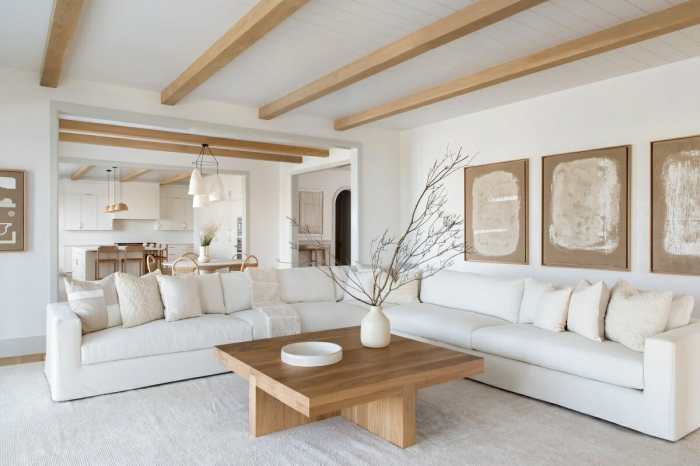
Selecting eco-friendly furniture goes beyond aesthetics; it’s about making responsible choices that benefit the environment. The growing awareness of sustainability has led to a rise in demand for furniture that not only looks good but is also made from renewable resources, free from harmful chemicals, and produced in an ethical manner. This guide provides essential criteria for selecting eco-friendly furniture, highlights sustainable brands, and offers innovative tips for upcycling old pieces to give them new life.
Criteria for Selecting Eco-Friendly Furniture
When choosing eco-friendly furniture, it’s vital to consider several key aspects that contribute to its sustainability. These criteria help ensure that your selections are not only stylish but also environmentally responsible.
- Materials: Opt for furniture made from sustainable materials such as bamboo, reclaimed wood, or recycled metal. These materials have a lower environmental impact compared to traditional hardwoods.
- Manufacturing Process: Look for brands that employ environmentally friendly manufacturing practices, including low-VOC finishes, non-toxic adhesives, and energy-efficient production methods.
- Durability: Choose furniture that is built to last. High-quality, durable pieces reduce the need for replacements and minimize waste.
- Certifications: Seek out certifications like Forest Stewardship Council (FSC) or Greenguard, which indicate that the furniture meets certain environmental standards.
Sustainable Furniture Brands and Offerings
Numerous brands are at the forefront of the sustainable furniture movement, creating beautiful pieces that do not compromise on style or ethics. Below are some noteworthy examples of brands that prioritize sustainability:
- West Elm: This popular brand offers a wide range of sustainable furniture, including sofas made from recycled materials and decor sourced from Fair Trade artisans.
- Joybird: Specializing in customizable, mid-century modern furniture, Joybird uses responsibly sourced materials and offers a take-back program for old furniture.
- Ethnicraft: Known for its elegant wooden furniture, Ethnicraft focuses on sustainable sourcing and craftsmanship, ensuring that their products are both beautiful and environmentally friendly.
Upcycling Old Furniture
Upcycling is a fantastic way to give new life to old furniture while minimizing waste. By creatively repurposing what you already own, you can create unique pieces that reflect your personal style. Here are some practical tips for upcycling:
- Paint and Refinish: A fresh coat of non-toxic paint or a new finish can transform tired furniture. Consider using chalk paint for a trendy, matte finish.
- Reupholster: Change the fabric on chairs or sofas to match your current decor. Look for organic fabrics to maintain sustainability.
- Combine Pieces: Merge multiple smaller items, such as nightstands or benches, into a single, cohesive piece. This not only saves space but also creates a unique statement item.
- Functional art: Turn an old dresser into a stylish TV stand or a vintage ladder into a decorative bookshelf. The possibilities are endless!
“Upcycling not only reduces waste but also fosters creativity, allowing you to personalize your space in an eco-friendly manner.”
Kitchen Improvements for Sustainability
Creating a sustainable kitchen not only contributes to environmental conservation but also enhances the overall functionality and aesthetics of your home. By making mindful choices in kitchen design, homeowners can significantly reduce energy consumption, minimize waste, and utilize resources more effectively. This section explores energy-efficient appliances, sustainable materials, and the benefits of natural lighting, providing practical ideas to elevate your kitchen’s sustainability quotient.
Energy-Efficient Appliances and Kitchen Design
Incorporating energy-efficient appliances is a crucial step in achieving a sustainable kitchen. These modern appliances are designed to consume less energy while maintaining optimal performance levels, thus reducing your overall energy bills. Energy Star-rated appliances, including refrigerators, dishwashers, and ovens, can save significant amounts of electricity, contributing to a lower carbon footprint. For example, an Energy Star refrigerator can use up to 15% less energy than a standard model, which equates to saving about $200 over its lifetime.
When designing your kitchen, opting for compact models can also further enhance energy efficiency without sacrificing functionality. Consider integrating appliances that can be built into cabinetry, which not only saves space but also streamlines your kitchen’s aesthetic appeal.
Sustainable Materials in Kitchen Renovations
Selecting sustainable materials is essential in kitchen renovations, as it influences both environmental impact and durability. There are various eco-friendly materials to consider, each offering unique benefits:
- Bamboo: Rapidly renewable and highly durable, bamboo is an excellent choice for cabinetry and flooring.
- Recycled Glass: Utilizing recycled glass for countertops creates stunning visuals while reducing waste.
- Cork: Sustainable and naturally antimicrobial, cork flooring is comfortable underfoot and helps regulate temperature.
By choosing materials with low VOC (volatile organic compounds) emissions, you contribute to better indoor air quality and create a healthier living environment. Additionally, opting for locally sourced materials can reduce transportation emissions and support local economies.
Benefits of Using Natural Lighting in Kitchen Spaces
Natural lighting plays a pivotal role in enhancing a kitchen’s ambiance while reducing the need for artificial lighting. Well-placed windows, skylights, and glass doors can flood your kitchen with sunlight, creating a warm and inviting atmosphere. This not only elevates the kitchen’s aesthetic but also has practical benefits.Benefits of incorporating natural lighting include:
- Energy Savings: Reducing dependence on artificial lighting can lead to lower electricity costs.
- Health Benefits: Exposure to natural light can boost mood and productivity, making the kitchen a more pleasant space to work in.
- Enhanced Aesthetics: Natural light highlights the colors and textures of your kitchen materials, making spaces feel larger and more open.
By strategically designing your kitchen to maximize natural light, you can create a beautiful, energy-efficient space that aligns with sustainable living practices.
Sustainable Landscaping and Outdoor Decorating
Creating an eco-friendly outdoor space not only enhances the beauty of your home but also contributes positively to the environment. Sustainable landscaping employs practices that conserve resources, improve biodiversity, and reduce waste. By choosing native plants, designing vertical gardens, and selecting eco-friendly outdoor furniture, you can create a sustainable haven that reflects a commitment to nature and sustainability.
Native Plants Requiring Less Water and Maintenance
Incorporating native plants into your landscape is a fantastic way to promote sustainability. These plants are adapted to the local climate and soil conditions, making them low-maintenance and water-efficient. Here’s a list of native plants that thrive with minimal care:
- Black-eyed Susan (Rudbeckia hirta): This bright yellow perennial is drought-resistant and attracts pollinators.
- Purple Coneflower (Echinacea purpurea): Known for its medicinal properties, this flower is both beautiful and resilient.
- Butterfly Milkweed (Asclepias tuberosa): A favorite for butterflies, this plant thrives in poor soils and requires little water.
- California Poppy (Eschscholzia californica): The state flower of California, it’s a bold addition that thrives in dry conditions.
- Blue Sage (Salvia azurea): This aromatic plant is drought-tolerant and attracts a variety of wildlife.
Incorporating Vertical Gardens
Vertical gardens are an innovative way to maximize space while promoting sustainability. They can be designed for both residential and commercial areas, providing beautiful greenery in limited spaces. Here are some methods for incorporating vertical gardens:
- Wall-mounted Planters: Use modular planters that can be attached directly to a wall, allowing for easy customization and maintenance.
- Freestanding Structures: Create a vertical garden using trellises or mesh panels that can support climbing plants such as beans and peas.
- Green Screens: Install a vertical garden as a partition to enhance privacy while adding a natural aesthetic to outdoor spaces.
- Living Walls: Design a living wall system that includes a variety of plants in a soil-less medium, ensuring efficient water and nutrient delivery.
Eco-Friendly Outdoor Furniture Options
Selecting outdoor furniture made from sustainable materials is crucial for an eco-friendly landscape. Here are some examples of eco-friendly outdoor furniture that you can consider:
- Recycled Plastic Furniture: Made from recycled materials, this furniture is durable, weather-resistant, and low-maintenance, making it ideal for outdoor settings.
- Bamboo Furniture: Bamboo is a fast-growing renewable resource that provides sturdy yet lightweight options for outdoor seating and tables.
- Teak Wood Furniture: Sustainably sourced teak wood is a popular choice due to its longevity and resistance to the elements.
- Metal Furniture: Opt for furniture made from recycled metals, which is often treated to resist rust and offers a modern aesthetic.
Home Lighting Solutions
Creating a sustainable home involves not just the materials and furniture we choose, but also how we illuminate our spaces. Home lighting solutions play a crucial role in enhancing energy efficiency, reducing carbon footprints, and creating a warm, inviting atmosphere. With a variety of options available, it’s now easier than ever to select lighting that is both eco-friendly and aesthetically pleasing.
Importance of LED Lighting for Energy Efficiency
LED lighting has revolutionized home lighting solutions due to its remarkable energy efficiency and long lifespan. Traditional incandescent bulbs consume significantly more electricity and have shorter lifespans, leading to more frequent replacements and higher energy bills. In contrast, LED bulbs use up to 75% less energy and can last up to 25 times longer. The transition to LED lighting not only reduces energy consumption but also contributes to lower greenhouse gas emissions.
Switching to LED lighting can save a household approximately $225 in energy costs per year.
Creating Natural Lighting Solutions
Maximizing natural light in your home not only saves energy but also improves mood and well-being. Here are some strategies to enhance natural lighting in different rooms:
Living Room
Opt for sheer curtains that allow sunlight to filter in while maintaining privacy. Position mirrors strategically to reflect light and create a brighter space.
Kitchen
Consider installing larger windows or skylights to bring in ample natural light. Use light-colored cabinetry to enhance brightness.
Bedroom
Use light, airy bedding and wall colors that reflect natural light. Position furniture thoughtfully to avoid blocking windows.
Natural lighting can improve productivity and promote a sense of calmness in living spaces.
Sustainable Light Fixtures Available in the Market
When selecting light fixtures, there are numerous eco-friendly options that complement sustainable interior decorating concepts. Here are some notable categories:
Recycled Materials
Light fixtures made from reclaimed wood or recycled metals not only reduce waste but also add unique character to your home.
Energy Star-Rated Fixtures
Look for light fixtures that are Energy Star certified, ensuring they meet strict efficiency guidelines. These fixtures often come with LED options.
Solar-Powered Lighting
For outdoor spaces, solar-powered light fixtures can provide illumination without relying on electricity, harnessing the power of the sun for nighttime use.
Biodegradable Options
Some manufacturers offer fixtures made from biodegradable materials that minimize environmental impact at the end of their life cycle.
Choosing sustainable light fixtures helps support environmental conservation while enhancing the aesthetic appeal of your home.
Sustainable New Construction Practices
Sustainable new construction practices are essential in creating environmentally friendly structures that minimize harm to the planet while promoting human health. By incorporating green building principles, builders and homeowners can contribute to a more sustainable future. This section will explore the foundational principles of green building, identify sustainable materials used in construction, and highlight the advantages of designing for energy efficiency from the outset.
Green Building Principles
Green building principles focus on reducing the environmental impact of construction and ensuring long-term sustainability. These principles include energy efficiency, resource conservation, indoor environmental quality, and the use of sustainable materials. Implementing these principles during the construction phase can significantly reduce waste and lower the carbon footprint of the building.
Sustainable Materials in Construction
Utilizing sustainable materials is crucial for minimizing the ecological footprint of new construction. Some of the most effective materials include:
- Reclaimed Wood: Sourced from old buildings or furniture, reclaimed wood reduces the demand for new timber and minimizes waste.
- Recycled Steel: Steel recycled from old structures is incredibly durable and can be repurposed multiple times, reducing the need for virgin resources.
- Low-VOC Paints and Finishes: These products emit fewer volatile organic compounds, which can improve indoor air quality and reduce harmful emissions.
- Insulated Concrete Forms (ICFs): These provide excellent insulation, reducing energy consumption for heating and cooling.
- Straw Bales: Used for insulation and structural integrity, straw bales are a renewable resource that offers high thermal efficiency.
Benefits of Energy Efficiency in Design
Designing for energy efficiency from the ground up is a smart investment for both environmental and financial reasons. By planning for energy-efficient systems, builders can significantly lower energy costs and enhance the comfort of the living environment.
“Energy-efficient buildings can save up to 30% in energy costs compared to traditional construction methods.”
Key benefits of prioritizing energy efficiency include:
- Lower Utility Bills: Energy-efficient designs lead to reduced energy consumption, resulting in lower monthly utility expenses.
- Improved Comfort: Proper insulation and energy-efficient HVAC systems create more stable indoor temperatures.
- Increased Property Value: Homes and buildings that adhere to sustainable practices often have higher resale values and appeal to environmentally conscious buyers.
- Incentives and Rebates: Many governments offer financial incentives for energy-efficient building designs, making it a financially sound choice.
Eco-Friendly Home Painting Techniques
When it comes to refreshing your home, painting is one of the most impactful ways to achieve a new look. However, traditional paints can be laden with harmful chemicals that not only affect indoor air quality but also pose environmental risks. Embracing eco-friendly painting techniques ensures a healthier home and planet. This guide will cover selecting non-toxic paints, a step-by-step sustainable painting project, and essential tips for paint disposal and recycling.
Non-Toxic Paint Selection
Choosing the right paint is crucial for a sustainable project. Opt for non-toxic paints that are low in volatile organic compounds (VOCs) to minimize harmful emissions. Here are tips for selecting the best options:
Look for Certifications
Choose paints labeled with certifications such as Green Seal or the Environmental Protection Agency’s (EPA) Safer Choice label, which indicate lower toxicity and environmental impact.
Consider Natural Paints
Natural paints made from organic materials like plant oils, pigments, and resins are great alternatives. Brands like BioShield and Earthborn offer a range of colors.
Evaluate Finishing Products
Pay attention to primers and finishes as well. Water-based finishes are generally less harmful than oil-based ones.
Sustainable Painting Project Guide
Embarking on a sustainable painting project involves a thoughtful approach. Here’s a step-by-step guide to ensure eco-friendliness from start to finish:
1. Preparation
Clear the area of furniture and protect surfaces with drop cloths made from recycled materials.
Repair any wall imperfections with non-toxic fillers.
2. Choosing Paint
Select your non-toxic paint and gather necessary tools like natural bristle brushes and rollers.
3. Ventilation
Ensure adequate ventilation during painting. Open windows or use fans to circulate air without reliance on air conditioning.
4. Application
Apply the paint using even strokes. Begin with corners and edges before filling large areas. If multiple coats are needed, allow adequate drying time to minimize paint buildup.
5. Cleanup
Clean tools with soap and water instead of solvents. Dispose of any leftover paint properly.
Paint Disposal and Recycling Methods
Proper disposal of leftover paint is crucial for minimizing environmental impact. Here are effective methods for paint disposal and recycling:
Local Disposal Programs
Many local governments have hazardous waste programs. Check for community paint recycling events or drop-off sites.
Reuse Options
Leftover paint can often be reused for touch-ups or donated to local schools or community organizations.
Creative Repurposing
Consider using old paint in projects like upcycling furniture or creating art. An old paint can become a new decorative piece for your home.
“Proper disposal of paint not only protects our environment but also promotes community responsibility and resourcefulness.”
Designing a Sustainable Patio or Deck
Creating a sustainable patio or deck not only enhances your outdoor living space but also contributes positively to the environment. By using eco-friendly materials and thoughtful design, you can create a beautiful area that harmonizes with nature. This segment explores sustainable materials for construction, the benefits of integrating nature into these spaces, and innovative ideas for multifunctional outdoor areas.
Sustainable Materials for Patio and Deck Construction
When selecting materials for your patio or deck, consider those that are not only durable but also environmentally responsible. Here are some sustainable options:
- Bamboo: Fast-growing and renewable, bamboo is an excellent choice for decking. It is strong, lightweight, and can withstand the elements.
- Recycled Wood: Using reclaimed wood reduces waste and gives your patio a unique character. Look for wood sourced from old barns or deconstructed buildings.
- Composite Decking: Made from recycled plastics and wood fibers, composite decking is long-lasting and requires minimal maintenance while reducing landfill waste.
- Concrete Alternatives: Eco-friendly concrete options are available that include fly ash or slag, which reduce carbon footprint and improve sustainability.
- Natural Stone: Materials like slate or granite are durable, long-lasting, and can blend seamlessly with natural landscapes.
Benefits of Integrating Nature into Outdoor Living Spaces
Incorporating natural elements into your patio or deck can enhance both aesthetic appeal and emotional well-being. Several key benefits include:
- Improved Air Quality: Plants help filter the air, creating a healthier environment for you and your family.
- Enhanced Aesthetics: Natural elements, such as greenery and water features, add beauty and tranquility to outdoor spaces, making them more inviting.
- Encouragement of Wildlife: By including native plants, you attract beneficial insects and birds, creating a vibrant ecosystem.
- Stress Reduction: Connection to nature has been shown to lower stress levels and improve mental health, making your outdoor area a perfect retreat.
Design Ideas for Creating Multifunctional Outdoor Areas
Designing a patio or deck that serves multiple purposes can maximize its utility and enjoyment. Consider the following ideas:
- Outdoor Dining and Cooking Areas: Install an outdoor kitchen complete with a grill, sink, and counter space to make alfresco dining a breeze.
- Flexible Seating Configurations: Use movable furniture to create adaptable seating arrangements that can accommodate different gatherings, from intimate dinners to larger parties.
- Integrated Planters: Build planter boxes into seating structures to save space while adding greenery and beauty to your outdoor setting.
- Shade Structures: Install pergolas or awnings that can provide shade, allowing for comfortable use of the space during hot days, while also supporting climbing plants.
- Fire Pits: A built-in fire pit not only warms your space but also offers a cozy gathering spot for evening relaxation and entertainment.
Pest Control with Sustainable Methods
In the quest for a more sustainable lifestyle, pest control is a vital aspect that often gets overlooked. Traditional pest control methods can rely on harsh chemicals that may harm the environment, pets, and even human health. Adopting sustainable pest control techniques allows homeowners to manage pest issues effectively while minimizing their ecological footprint. By utilizing non-toxic methods and preventive measures, you can maintain a healthier home and contribute positively to the environment.
Non-Toxic Pest Control Methods
Implementing non-toxic pest control methods not only protects your home but also supports a healthier ecosystem. Here are some effective strategies to consider:
- Essential Oils: Many essential oils, such as peppermint, lavender, and tea tree oil, can repel pests like ants, spiders, and mosquitoes. Simply dilute the oils in water and spray around entry points.
- Diatomaceous Earth: This natural powder is made from fossilized algae and acts as a desiccant, effectively eliminating pests like bedbugs and cockroaches by dehydrating them.
- Biological Controls: Introducing natural predators in your garden can help manage pest populations. For example, ladybugs are great for controlling aphid infestations.
- Traps and Barriers: Using physical traps or barriers, such as sticky traps or mesh screens, can help keep pests out without the use of chemicals.
Preventive Measures for Sustainable Living
Preventing pest problems before they start is an essential component of sustainable pest management. Consider these preventive strategies to keep pests at bay:
- Proper Food Storage: Store food in airtight containers to reduce the likelihood of attracting pests. This practice also helps maintain the freshness of your food.
- Regular Cleaning: Keeping your home clean, especially in areas like kitchens and dining spaces, helps eliminate crumbs and spills that attract pests.
- Seal Entry Points: Inspect your home for cracks and gaps in windows, doors, and foundations. Use caulk and weather stripping to seal these areas and prevent pests from entering.
- Maintain Your Yard: Regularly trim overgrown plants and remove debris where pests may hide. A well-maintained yard discourages infestations.
Benefits of Maintaining a Pest-Friendly Environment
Creating an environment that is both pest-friendly and sustainable provides several advantages. Not only does it foster biodiversity, but it also promotes a healthier living space. Here are some key benefits:
- Enhanced Biodiversity: By avoiding harmful pesticides, you encourage the presence of beneficial insects and organisms that contribute to a balanced ecosystem.
- Improved Indoor Air Quality: Non-toxic pest control methods help reduce harmful chemicals in your home, leading to better air quality and a healthier living environment.
- Cost-Effective Solutions: Sustainable pest control often requires less financial investment over time, as it promotes prevention and natural solutions rather than ongoing treatments.
- Community Impact: By practicing sustainable pest control, you contribute to a healthier community, as reduced chemical usage can positively affect local wildlife and ecosystems.
Sustainable Home Plumbing Innovations
Sustainable plumbing innovations are essential for reducing water waste and promoting eco-friendly practices in our homes. By employing advanced technologies and making smart choices regarding fixtures and appliances, homeowners can significantly decrease their water consumption while maintaining comfort and efficiency. This not only benefits the environment but also results in cost savings over time.Low-flow fixtures and appliances are at the forefront of sustainable plumbing innovations.
These solutions are designed to use less water without sacrificing performance. By replacing conventional fixtures with low-flow alternatives, homeowners can achieve significant reductions in water usage. For instance, low-flow showerheads can use as little as 1.5 gallons per minute compared to traditional showerheads that often use more than 2.5 gallons per minute. The transition to such fixtures is a smart step toward conservation.
Advantages of Low-Flow Fixtures and Appliances
Low-flow fixtures and appliances offer numerous benefits, from resource conservation to cost savings. Here are some key advantages:
- Water Conservation: By using significantly less water, low-flow fixtures help preserve this precious resource, which is becoming increasingly scarce.
- Cost Savings: Reduced water usage leads to lower water bills, which can add up to substantial savings over time.
- Energy Efficiency: Many low-flow appliances also consume less energy, as they require less power to heat water, further contributing to lower utility bills.
- Improved Performance: Modern low-flow technologies provide excellent water pressure and efficiency, ensuring a satisfying experience with every use.
Sustainable Plumbing Practices to Reduce Water Waste
Implementing sustainable practices is crucial in any home’s plumbing system. Here are effective methods to minimize water waste:
- Regular Leak Inspections: Conduct thorough inspections to identify and repair leaks in pipes, faucets, and toilets, as even small leaks can waste significant amounts of water over time.
- Install Dual-Flush Toilets: These toilets allow users to choose between a low-water flush for liquid waste and a higher-volume flush for solid waste, effectively reducing overall water usage.
- Use Water-Saving Appliances: Invest in dishwashers and washing machines that are designed to use less water while maintaining cleaning performance.
- Rainwater Harvesting: Incorporate systems for capturing and using rainwater for irrigation and other non-potable uses, reducing the demand on municipal water supplies.
Tips for Maintaining Plumbing Systems
To ensure longevity and efficiency in plumbing systems, regular maintenance is key. Here are useful tips for extending the lifespan of your plumbing infrastructure:
- Periodic Inspections: Schedule regular inspections by a qualified plumber to identify potential issues before they become major problems.
- Descale Fixtures: Regularly descale showerheads and faucets to prevent mineral buildup that can reduce water flow and pressure.
- Flush Water Heaters: Annually flush your water heater to remove sediment buildup, improving efficiency and extending its lifespan.
- Protect Pipes in Winter: Insulate pipes to prevent freezing, which can lead to cracks and costly repairs.
“Investing in sustainable plumbing is not just about today; it’s about creating a better tomorrow for future generations.”
Eco-Conscious Home Remodeling Ideas
Sustainable home remodeling projects are not just about aesthetics; they encompass a deeper commitment to environmental responsibility and resource conservation. By carefully considering how renovations can minimize waste and energy consumption, homeowners can make a significant impact on both their living space and the planet. This commitment not only benefits future generations but also elevates the quality of life within the home itself.Key considerations for sustainable remodeling projects include energy efficiency, water conservation, and the utilization of sustainable materials.
Homeowners should prioritize features that reduce energy consumption, such as high-efficiency appliances and insulation. Additionally, assessing the environmental impact of materials chosen for renovations is crucial in creating a truly eco-conscious space.
Repurposing Existing Materials
Repurposing existing materials during home renovations can dramatically reduce waste and promote sustainability. This practice not only saves money but also adds unique charm to the home. Utilizing materials that are already part of the structure minimizes the need for new resources and helps to preserve the character of the house. Here are some effective ways to repurpose materials:
- Reclaimed Wood: Salvage old barn wood or dismantled furniture to create beautiful flooring, accent walls, or furniture pieces that tell a story.
- Bricks and Stone: Reuse bricks from demolition for outdoor patios or paths, or incorporate them into landscaping features.
- Old Fixtures: Revitalize outdated fixtures with a coat of paint or new hardware instead of replacing them entirely, keeping them functional while refreshing the space.
- Doors and Windows: Transform old doors into headboards or rustic tables, and use windows in art installations or as glass partitions.
- Repurposed Materials from Other Projects: Keep leftover materials from previous renovations on hand to use for new projects, reducing waste.
“Repurposing existing materials not only conserves resources but also infuses character and history into modern renovations.”
Success stories of homes transformed with sustainable practices abound, showcasing how creativity and eco-consciousness can lead to stunning results. For example, a family in Portland renovated their home using reclaimed materials, resulting in a unique, modern aesthetic while reducing their carbon footprint. Their living room, featuring a striking wall made of reclaimed barn wood, became a conversation starter and a beautiful focal point of the home.Another inspiring case is a couple from San Francisco who turned their traditional home into a model of sustainability by incorporating energy-efficient solar panels and using recycled glass tiles in their kitchen remodel.
These changes not only enhanced the home’s value but also significantly reduced their energy bills, illustrating that eco-conscious remodeling can be both practical and stylish.Embracing eco-conscious home remodeling ideas opens the door to endless possibilities for creativity while simultaneously caring for the environment.
Closing Notes
In conclusion, embracing sustainable interior decorating ideas allows you to craft a space that is not only aesthetically pleasing but also environmentally responsible. By making informed choices about materials, furniture, and design, you can create a home that reflects your commitment to sustainability while enjoying the benefits of a thoughtfully curated environment. Let these ideas inspire your journey towards a more sustainable lifestyle.
FAQ Summary
What are the benefits of sustainable interior decorating?
Sustainable interior decorating reduces environmental impact, enhances indoor air quality, and often results in cost savings through energy efficiency.
How can I start my sustainable decorating journey?
Begin by assessing your current space, opting for eco-friendly materials, and considering the use of sustainable furniture and decor items.
Are there specific color palettes that work well with sustainable design?
Yes, earthy tones and natural hues typically complement sustainable design by creating a calming and organic feel, promoting a connection to nature.
What are some popular sustainable furniture brands?
Some popular sustainable furniture brands include West Elm, IKEA’s sustainable line, and Crate and Barrel’s eco-friendly selections.
How do I properly dispose of non-toxic paints?
Non-toxic paints should be taken to a local hazardous waste facility or recycling center that accepts paint for proper disposal.