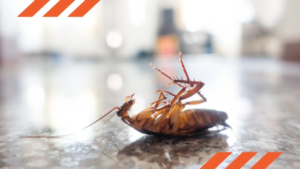
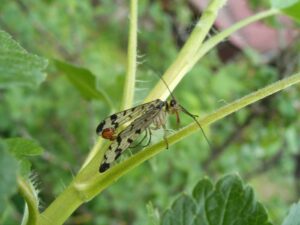
With Flying insect control indoors at the forefront, this discussion navigates the various techniques and strategies that can be employed to create a bug-free environment within your home. From understanding the influence of interior design to exploring practical kitchen improvements, we’ll unveil effective methods to keep pesky flying insects at bay.
As we delve deeper, you’ll discover how simple adjustments in your home and outdoor areas can significantly reduce the likelihood of insect invasions. This comprehensive overview will empower you to take proactive measures against flying insects and maintain a comfortable living space.
Flying Insect Control Methods
The presence of flying insects indoors can be a significant nuisance and may pose health risks. Effective control methods are essential for maintaining a comfortable and safe living environment. This discussion will explore various techniques, comparing natural and chemical methods, as well as evaluating the effectiveness of traps and barriers.
Natural Control Methods
Natural control methods utilize organic substances and techniques that are less harmful to the environment and human health. These methods often involve the use of essential oils, plant extracts, and beneficial insects to deter or eliminate flying pests.
- Essential Oils: Oils such as peppermint, eucalyptus, and tea tree have repellent properties. Diffusing these oils or mixing them with water and spraying can deter insects.
- Neem Oil: Extracted from the seeds of the neem tree, neem oil disrupts the life cycle of insects and can be used as a natural pesticide.
- Beneficial Insects: Introducing natural predators like ladybugs and lacewings can help keep flying insect populations in check.
Chemical Control Methods
Chemical control methods involve synthetic pesticides designed to eliminate pests quickly. While effective, these approaches should be used with caution due to potential health concerns and environmental impact.
- Aerosol Sprays: Commonly used for immediate knockdown of adult insects, aerosol sprays can be effective but may leave harmful residues.
- Insect Growth Regulators (IGRs): IGRs disrupt the development of insects, preventing them from reaching maturity, thus reducing future populations.
- Residual Sprays: These pesticides remain effective for an extended period, providing ongoing protection against new infestations.
Effectiveness of Traps and Barriers
Traps and barriers are practical methods for managing flying insects indoors, providing targeted control with minimal chemicals.
- Sticky Traps: These traps use adhesive surfaces to capture flying insects. They are effective in monitoring populations and reducing numbers without chemicals.
- Light Traps: Utilizing ultraviolet light to attract insects, these traps are effective in commercial settings and can significantly reduce indoor insect populations.
- Door and Window Screens: Installing fine mesh screens helps prevent insects from entering homes, serving as a first line of defense.
Integrating various methods of control can lead to a more resilient approach against flying insects and minimizes reliance on any single solution.
Impact of Interior Design on Pest Control
Creating a pest-free indoor environment goes beyond just traditional pest control methods; it significantly involves the principles of interior design. Thoughtful design choices can create barriers that minimize insect infestations, ensuring that your living space remains comfortable and hygienic. By understanding how different design elements interact with your home’s pest management strategy, you can prevent unwanted visitors effectively.One of the critical aspects of interior design is furniture arrangement.
The way furniture is positioned can either facilitate or hinder insect access to various areas of your home. For instance, placing furniture too close to walls or tightly clustering it can create hidden pockets where insects can thrive. Keeping a distance between furniture and walls not only allows for easier cleaning but also makes it more difficult for insects to find shelter.
Furniture Arrangement and Access Points
An effective furniture arrangement plays a vital role in pest prevention. It is essential to create an open layout that discourages insect activity.
- Leave space between furniture and walls to enhance airflow, making it less inviting for pests.
- Avoid clutter and excessive decorations that can serve as hiding places for insects.
- Regularly move furniture to clean underneath and behind, removing any potential food sources or habitats.
Additionally, utilizing sturdy furniture materials can also reduce the likelihood of infestations. For example, choosing metal or hardwood over fabric-covered furniture can deter pests like bedbugs or termites, as these insects find it more challenging to penetrate harder surfaces.
Decor and Sealing Gaps for Pest Prevention
Decorative elements can also play a crucial role in pest control. Certain design choices can be employed to seal gaps and create barriers against pests.
- Use caulk to seal cracks and gaps in walls, windows, and doors, preventing insects from entering your home.
- Incorporate decorative sealants in your interior design to blend function with aesthetics.
- Select window treatments that fit snugly to reduce openings where pests can enter.
Incorporating natural repellents into your decor, such as using plants like lavender or mint, can effectively deter insects while enhancing the beauty of your space. Additionally, keeping your decor minimal and choosing items that are easy to clean can help maintain a pest-free environment.
“The right interior design choices can significantly contribute to a pest-free home, making prevention an integral part of your living space.”
By focusing on these design elements, you can enhance pest control measures while creating a stylish and inviting home.
Kitchen Improvements for Pest Management
The kitchen is often a hotspot for flying insects, making it crucial to implement effective management strategies. By enhancing the kitchen environment and making specific improvements, homeowners can reduce the likelihood of pest infestations significantly. This section explores various methods to deter flying insects and maintain a pest-free kitchen space.
Storage Solutions That Limit Insect Access to Food
Proper food storage is fundamental in preventing access to food sources that attract flying insects. Using airtight containers can drastically reduce the chances of infestations. The following practices are recommended for effective food storage:
- Airtight Containers: Store all dry goods, including grains, sugar, and flour, in sealed containers made of durable materials. This prevents insects from reaching the food.
- Refrigeration: Keep perishable items such as fruits, vegetables, and leftovers in the refrigerator. Ensure the fridge is set at optimal temperatures to avoid spoilage.
- Regular Inventory Checks: Conduct regular checks on food items to discard expired or spoiled products, which can attract pests.
- Labeling: Clearly label containers with contents and date of storage to maintain organization and ensure older items are used first.
Best Practices for Maintaining Cleanliness in the Kitchen
A clean kitchen is less inviting to pests, making regular maintenance essential. Implementing a routine cleaning schedule can effectively reduce the risk of infestations. Here are some best practices to follow:
- Daily Cleaning: Wipe down countertops, tables, and other surfaces after each meal preparation to eliminate food residue.
- Floor Maintenance: Sweep and mop floors regularly to remove crumbs and spills that can attract flying insects.
- Dishwashing Habits: Wash dishes promptly instead of leaving them in the sink, as dirty dishes can serve as a breeding ground for pests.
- Trash Management: Use bins with tight-fitting lids and empty them frequently to prevent odors that attract insects.
“An ounce of prevention is worth a pound of cure.” Keeping a clean and organized kitchen not only deters pests but also promotes overall health.
With these kitchen improvements and cleanliness practices, homeowners can create an environment that minimizes the risk of flying insect infestations, ensuring a more pleasant and hygienic cooking experience.
Landscaping Outdoor Decorating to Reduce Indoor Pests
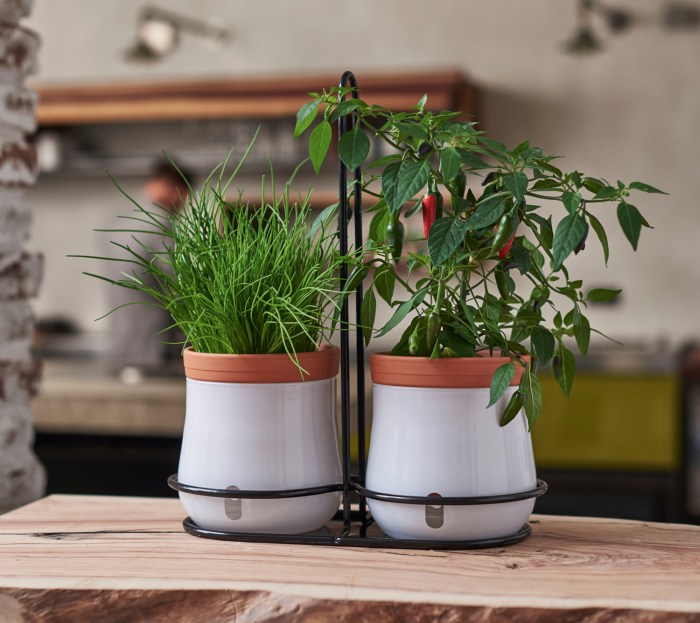
Creating a beautiful outdoor space isn’t just about aesthetics; it also plays a crucial role in pest control. Thoughtful landscaping can act as a barrier against pests, minimizing their chances of entering your home. By incorporating specific strategies and plant selections, you can effectively reduce the appeal of your property to flying insects and other pests.Plant selection is fundamental in pest management as certain plants can either attract or repel insects.
Choosing the right vegetation can create a naturally deterrent environment for pests, making your home less accessible. It’s essential to consider the types of plants that not only thrive in your climate but also provide defensive benefits against common indoor pests.
Landscaping Strategies to Minimize Insect Migration
Implementing effective landscaping strategies directly impacts the movement of insects towards your home. Here are several strategies to consider for reducing the likelihood of pests invading your indoor space:
- Create a Barrier: Establish dense shrubbery or hedges around the foundation of your home. This not only provides a protective barrier but can also deter pests from wandering close to your walls.
- Use Mulch Wisely: Opt for organic mulch that is less appealing to pests. Avoid using overly damp or decaying materials that can attract insects. Instead, consider options like cedar mulch, which has natural pest-repellent properties.
- Keep Distance: Maintain a distance of at least three feet between plants and structures to reduce the likelihood of pests finding their way indoors. This space can act as a buffer to prevent insect migration.
- Employ Native Plants: Native plants are often more resilient and less prone to pest problems, as they are adapted to the local ecosystem. By using plants that naturally thrive in your area, you can create a healthier outdoor environment.
Additionally, the placement and type of plants can significantly influence pest behavior. Certain flowers and herbs serve as natural repellents due to their scent and oils.
Importance of Plant Selection in Pest Control
Choosing the right plants is a crucial element in your outdoor decoration strategy as it can substantially impact how pests interact with your home. Plants that emit strong fragrances, such as lavender, mint, and marigolds, can deter many common pests.Here are some effective plant options that can help you create a pest-resistant landscape:
- Lavender: Known for its pleasant aroma, lavender is effective in repelling moths, fleas, and mosquitoes.
- Marigolds: These vibrant flowers not only beautify your garden but also emit a scent that can deter aphids and nematodes.
- Mint: The strong odor of mint is known to repel ants and mosquitoes. Plant it in pots to control its spread.
- Basil: This culinary herb not only enhances your cooking but also wards off flies and mosquitoes.
Incorporating these plants into your landscaping can not only beautify your outdoor space but also create a less inviting atmosphere for pests.
Creating Outdoor Spaces to Deter Insects
Designing your outdoor spaces with insect deterrence in mind involves more than just plant selection. Strategic layout and maintenance are critical to maintaining a pest-free environment. Here are tips to create outdoor areas that discourage insect activity:
- Regular Maintenance: Keep your lawn trimmed and gardens tidy. Overgrown areas provide hiding spots for pests. Regularly remove debris, such as leaves and grass clippings, to eliminate potential nesting sites.
- Lighting Choices: Use yellow or LED lights for outdoor lighting, as they are less attractive to flying insects than traditional bulbs.
- Water Management: Ensure proper drainage in your garden to eliminate standing water, which can attract mosquitoes. Create natural water features that are aerated to prevent stagnant water.
- Natural Predators: Encourage beneficial insects like ladybugs and lacewings that naturally manage pest populations. You can do this by planting insect hotels or maintaining a diverse garden.
By thoughtfully designing your landscape with these strategies and plant selections, you can create an inviting outdoor space that enhances your home while simultaneously reducing the likelihood of indoor pest issues.
Home Lighting and Insect Attraction
Lighting plays a significant role in the presence and behavior of flying insects inside and outside our homes. The type of lighting we use can influence whether these pests are drawn to our spaces or kept at bay. Understanding how different lighting options affect insect attraction can help homeowners make informed choices that minimize pest issues.Different types of lighting can either attract or repel flying insects.
Traditional incandescent bulbs tend to emit a broad spectrum of light, which is particularly appealing to many insects, especially moths and flies. In contrast, LED and fluorescent lights can be designed to emit wavelengths that are less attractive to these pests. Moreover, the color temperature of the light can significantly affect insect behavior. Cooler color temperatures, such as those in the blue spectrum, tend to attract fewer insects compared to warmer tones, which often draw them closer.
Recommendations for Outdoor and Indoor Lighting
Choosing the right lighting is crucial in reducing insect presence in both indoor and outdoor settings. Here are some recommendations:
Use LED Lights
Opt for LED bulbs with a color temperature of 3000K or lower. These emit less light in the wavelengths that attract insects.
Install Motion Sensors
Utilizing motion-activated lights can keep outdoor areas illuminated only when necessary, reducing the overall light pollution that attracts pests.
Avoid Yellow Sodium Vapor Lights
Although they are often thought to be less attractive to insects, they can still draw some species. Instead, consider using amber LED lights which are more effective at deterring pests.
Keep Windows Covered
Use screens and curtains to minimize light exposure during the night, helping to reduce the attraction of indoor spaces to insects.
Direct Lighting Away from Home
Position exterior lights away from entry points such as doors and windows to lower the chance of insects flying inside.
“Selecting the right lighting can be a game-changer in managing indoor pest populations.”
Impact of Color Temperature on Pest Behavior
The color temperature of the lighting used in homes and gardens has a significant impact on pest behavior. Insects have varying sensitivities to different wavelengths of light, which can dictate their activity levels and attraction to certain areas.
Cooler Temperatures (3000K and below)
Emit light that is less appealing to insects. Options include soft white or warm white LEDs that create a cozy ambiance while keeping pests at bay.
Neutral Temperatures (4000K)
These provide a balance that may not be as effective for repelling insects as cooler options but can be suitable for general use.
Warmer Temperatures (5000K and above)
Tend to attract more flying insects. The higher the color temperature, the more visible the light becomes to insects, increasing the likelihood of their presence.In practical applications, homeowners can observe a marked difference in insect activity when transitioning from traditional lighting to options that consider both color temperature and type. By being mindful of these factors, it is possible to create a more pest-resistant environment both indoors and outside.
New Construction Considerations for Insect Control
Insect control during the construction phase is paramount for ensuring a pest-free environment in new homes. By integrating effective strategies and materials from the outset, homeowners can significantly reduce the risk of flying insect infestations as well as other pests. This proactive approach not only enhances comfort but also contributes to long-term property value and integrity.One of the key aspects of creating a pest-resistant home is the incorporation of specific construction features.
These features play a crucial role in minimizing the entry points for flying insects and other pests, effectively creating a barrier against infestations. By carefully considering the design and materials used, builders can make substantial strides in pest management.
Construction Features for Insect Control
Employing certain construction techniques and materials can greatly enhance a building’s defense against pests. Here are several features that can be utilized:
- Sealed openings: Careful sealing of all gaps, cracks, and crevices in walls, foundations, and around windows and doors helps prevent insects from entering the home. This includes the use of caulking and weather stripping to create tight seals.
- Screened vents: Installing screens on vents, windows, and doors can restrict insect access while allowing for proper ventilation. Choosing screens with a finer mesh can be particularly effective against smaller flying insects.
- Overhangs and eaves: Architectural features like overhangs can minimize moisture accumulation near the foundation, reducing the likelihood of insect breeding. They also help deflect rain, which can wash away potential nesting sites.
- Elevated structures: Building homes above ground level on piers or slabs can deter pests that thrive in damp soil or direct contact with the earth. This elevation also promotes better drainage.
Best Practices for Sealing Homes
Sealing a home during construction is a vital step in preventing pest infestations. Adopting the following best practices can ensure thorough sealing:
- Conduct a pre-construction pest assessment: Engaging pest control professionals before the construction process begins can identify potential risks and guide appropriate sealing strategies.
- Utilize expansion foam: This material is effective in sealing larger gaps and penetrations, especially around plumbing and electrical lines, providing a robust barrier against insects.
- Implement a moisture barrier: Installing a moisture barrier in crawl spaces and basements can help prevent insect attraction by minimizing humidity levels.
- Regular inspections: Scheduling periodic inspections during construction can ensure that all sealing efforts meet pest control standards and identify any overlooked vulnerabilities.
Pest-Resistant Materials in Construction
Using pest-resistant materials during the building phase can significantly reduce the chances of insect infestations. Below are some materials that can be beneficial:
- Concrete and brick: These materials are naturally pest-resistant compared to wood, which can attract termites and other wood-destroying insects.
- Composite materials: Utilizing composite decking and siding can deter pests as these materials are often treated to resist insects and decay.
- Insect-repelling insulation: Some insulation products are treated with pest-repelling chemicals, which can help keep rodents and insects at bay.
- Non-toxic repellents: Incorporating non-toxic pest repellents into construction materials can provide an additional layer of defense without harming the environment.
Home Painting and Pest Prevention
Painting your home is more than just a cosmetic upgrade; it can also play a significant role in pest control. The choice of paint and the methods used during the painting process can create a barrier against unwanted insects and other pests. By investing time and effort into selecting the right materials and techniques, homeowners can enhance their pest prevention efforts while also beautifying their living spaces.The right type of paint can help in deterring pests by forming a protective layer on surfaces.
Certain paint formulations contain additives that repel insects or seal entry points that pests might exploit. Furthermore, how you seal and paint surfaces can significantly influence the effectiveness of your pest control strategy. Properly sealing cracks and crevices during the painting process ensures that these potential pathways for pests are closed off, thus reducing the likelihood of infestations.
Choosing the Right Paint for Pest Prevention
When selecting paint for your home, consider options that inherently reduce insect attraction. Here are several factors to keep in mind:
- Low-VOC Paints: Volatile Organic Compounds (VOCs) in paints can emit odors that attract insects. Choosing low-VOC paints minimizes these scents, making spaces less appealing to pests.
- Additives for Pest Repellence: Some paints are formulated with natural insect-repelling compounds, such as citronella or essential oils. These can deter insects without harming the environment.
- Finish Type: Gloss or semi-gloss finishes are easier to clean and can be less attractive to pests compared to flat finishes. A smoother surface can deter insects from making it their home.
Sealing Techniques for Pest Control
Effective sealing is critical in the fight against pests. During the painting process, take the following steps to ensure that entry points are eliminated:
- Inspect and Repair: Before painting, thoroughly inspect your home for cracks, gaps, and holes. Use caulking to seal these areas, particularly around windows, doors, and utility lines.
- Use Quality Sealants: Select high-quality sealants that are designed for durability and pest resistance. Look for options that can expand and contract with temperature changes, maintaining their effectiveness over time.
- Sealing Gaps in Siding: If your home has wooden siding, ensure that all joints and seams are well-sealed. This not only improves insulation but also prevents pests from exploiting these spaces.
“Proper sealing during the painting process is essential for creating a pest-free environment.”
By understanding the relationship between paint selection, sealing practices, and pest prevention, homeowners can make informed decisions that enhance both their living spaces and their pest control efforts.
Design and Maintenance of Patio Decks to Discourage Pests
Creating a patio or deck space that minimizes insect presence not only enhances outdoor enjoyment but also contributes to a more comfortable living environment. Thoughtful design and diligent maintenance can effectively deter pests, ensuring that outdoor gatherings remain pleasant and pest-free.Key design elements play a crucial role in reducing insect presence on patios and decks. When planning your outdoor space, consider the following features that can help keep pests at bay:
Design Elements of Patios and Decks
Incorporating specific design elements can significantly diminish the likelihood of insect infestations. Here are some strategies to consider when designing your outdoor areas:
- Use of Hardscaping: Integrating stone or brick pathways and patios limits the areas where insects can hide and breed. These materials are less hospitable to pests compared to soil or mulch.
- Elevated Decks: Building your deck a few feet off the ground can prevent insects, especially crawling pests, from easily accessing your space. This distance can also help with airflow, reducing humidity that attracts insects.
- Proper Drainage: Ensure that your patio design includes adequate drainage systems to avoid standing water, which serves as a breeding ground for mosquitoes and other pests.
- Placement of Plants: When integrating vegetation, select plants that repel insects, such as lavender, basil, and marigolds. Position these away from dining areas to minimize insect attraction.
Maintenance Practices for Outdoor Areas
Regular maintenance is essential to keep your patio and deck free from pests. Implementing routine checks and upkeep can significantly reduce pest populations:
- Regular Cleaning: Sweep or hose down your patio and deck weekly to remove debris, food particles, and standing water that attract pests.
- Inspect for Cracks: Routinely check your deck for any cracks or holes. Sealing these entry points prevents pests from nesting or accessing your space.
- Trim Vegetation: Keep plants trimmed and away from the deck to create a barrier, reducing the chances for insects to migrate onto your patio.
- Check for Standing Water: Regularly inspect your outdoor space for areas where water collects, such as pots or furniture. Empty these to thwart mosquito breeding.
Outdoor Dining Space Ideas to Deter Flying Insects
Creating an inviting dining area outdoors while keeping flying insects away is entirely feasible with smart design choices. Here are some ideas that can help:
- Use Screened Enclosures: Consider adding a screened-in porch or gazebo to your dining area. This barrier keeps flying insects out while allowing you to enjoy the outdoor ambiance.
- Incorporate Fans: Installing ceiling or portable fans can help deter flying insects by creating a breeze that makes it difficult for them to navigate.
- Strategic Lighting: Opt for yellow or LED lights, which are less attractive to insects than traditional white bulbs. This adjustment helps maintain a bug-free dining experience.
- Utilize Natural Repellents: Planting herbs like mint or using citronella candles can provide additional deterrents against flying insects and enhance the dining atmosphere.
Pest Control Integration in Home Plumbing
The plumbing system in your home is crucial for sanitation and comfort, but it can also be a hidden gateway for pests. Understanding the connection between plumbing and pest infestations is key to maintaining a pest-free environment. By addressing potential vulnerabilities within your plumbing, homeowners can significantly reduce the risk of insect invasions.Pests such as cockroaches, ants, and termites often exploit plumbing systems as entry points into homes.
They are particularly attracted to damp, dark spaces commonly found in pipes and under sinks. Moreover, plumbing leaks can create moist environments conducive to insect breeding and activity. Being proactive in maintaining your plumbing not only improves your home’s functionality but also serves as a preventive measure against pest issues.
Preventative Plumbing Maintenance for Pest Control
Regular maintenance of plumbing systems can effectively minimize pest access points and reduce the likelihood of infestations. Here are some essential tips for maintaining your plumbing:
Seal Cracks and Openings
Regularly inspect and seal any gaps around pipes that enter walls or floors. Use caulk or expanding foam to close off these potential entry points.
Repair Leaks Promptly
Address any leaks immediately. Even small drips can create favorable conditions for pests. Check under sinks, around toilets, and near water heaters.
Maintain Proper Drainage
Ensure that all drains are clear and functioning properly. Standing water can attract pests, so consider using drain covers to prevent insects from entering through these openings.
Install Screens on Vents and Openings
Place fine mesh screens over vents and openings to keep pests out while allowing air circulation.
Keep Areas Clean and Dry
Regularly clean areas around plumbing fixtures. Remove any debris and moisture that may accumulate, especially in basements and crawl spaces.Regular inspections are essential in identifying potential pest issues before they escalate. Homeowners should schedule plumbing inspections annually or bi-annually to ensure systems are in good working order. During these inspections, look for signs of pest activity, such as droppings or damage, and address them promptly.
“Preventing pest infestations through proper plumbing maintenance is a crucial step in protecting your home.”
By integrating pest control strategies into plumbing maintenance, homeowners can create a less hospitable environment for pests while ensuring their plumbing systems function efficiently.
Final Thoughts
In conclusion, understanding and implementing effective Flying insect control indoors can transform your home into a sanctuary free from unwelcome pests. By combining smart design choices, enhanced kitchen practices, and strategic outdoor landscaping, you can enjoy a peaceful and insect-free living environment.
Helpful Answers
What are common flying insects found indoors?
Common flying insects include houseflies, fruit flies, mosquitoes, and moths.
How often should I clean to prevent flying insects?
Regular cleaning at least once a week is advisable to prevent infestations.
Are natural methods effective for insect control indoors?
Yes, natural methods such as essential oils and vinegar can be effective but may require consistent application.
What role does indoor lighting play in attracting insects?
Certain types of lighting, especially bright white or blue lights, attract flying insects; using warmer tones can help repel them.
Can air conditioning help reduce flying insects?
Yes, air conditioning can help deter insects by reducing humidity and providing a closed environment.