Plumbing inspection before buying a home is a crucial step that every prospective homeowner should prioritize. This process can uncover hidden issues that might not be immediately apparent, potentially saving you from costly repairs down the line. Understanding the state of a home’s plumbing system can provide peace of mind and a clearer picture of what you’re getting into.
By diving into the details of plumbing inspections, we can better appreciate their importance in real estate transactions. From identifying common plumbing problems in older homes to the tools and techniques used during inspections, knowing what to look for can empower buyers to make informed decisions.
Importance of Plumbing Inspection Before Buying a Home
Before finalizing the purchase of a home, it’s essential to conduct a thorough plumbing inspection. This critical step ensures that the plumbing system is in good condition and helps buyers avoid potential costly repairs in the future. Many homebuyers often overlook plumbing checks, focusing instead on aesthetic aspects of the property. However, plumbing issues can lead to significant expenses and inconveniences if not addressed upfront.A plumbing inspection serves as an essential tool in real estate transactions, providing valuable insights into the overall health of a property’s plumbing system.
It can reveal hidden issues that may not be immediately visible, allowing homebuyers to make informed decisions. In older homes, plumbing systems may be outdated, leading to various complications. Common problems include worn out pipes, outdated fixtures, and inadequate drainage systems, all of which can impact the integrity of the property.
Common Plumbing Issues in Older Homes
Older homes often come with a unique set of plumbing challenges that can affect their functionality and reliability. Understanding these common issues can help buyers prepare for potential repairs. Notably, many plumbing systems in older homes may contain materials that are no longer considered safe or effective.Some prevalent plumbing issues found in older homes include:
- Lead Pipes: Many homes built before the 1980s may have lead pipes, which can lead to serious health risks if the water supply is contaminated.
- Corroded Pipes: Aging pipes can corrode over time, leading to leaks, low water pressure, and water quality issues.
- Drainage Problems: Old drainage systems may be unable to handle modern demands, causing frequent clogs or slow drainage.
- Inadequate Venting: Improper venting can lead to sewer gas entering the home, posing health hazards and unpleasant odors.
- Old Fixtures: Outdated faucets and toilets can be inefficient, wasting water and leading to higher utility bills.
Statistics indicate that plumbing-related issues are among the most common findings during home inspections. According to the American Society of Home Inspectors, approximately 20% of home inspections reveal significant plumbing problems that require immediate attention. These findings underscore the importance of conducting a plumbing inspection before making a purchase.
Recognizing potential plumbing issues early on can save homebuyers thousands of dollars in repairs and ensure the longevity of the home.
Understanding the significance of plumbing inspections allows buyers to navigate the home buying process with greater confidence. By addressing plumbing concerns before closing the deal, homebuyers can protect their investment and enjoy peace of mind in their new home.
Key Components of a Plumbing Inspection
A plumbing inspection is a crucial step in the home-buying process that ensures potential buyers are fully aware of the plumbing system’s condition, which can impact overall home value and livability. Various key components are examined by professionals to uncover potential issues that could lead to costly repairs or inconveniences after purchase.Plumbing inspectors focus on numerous aspects of the plumbing system, utilizing specialized tools and techniques to carry out thorough assessments.
By doing so, they can identify not only existing problems but also assess the system’s functionality for future use. Some of the key components evaluated during a plumbing inspection include visible pipes, fixtures, sewer lines, and water pressure levels.
Aspects Thoroughly Checked During a Plumbing Inspection
During a plumbing inspection, inspectors evaluate several critical components of the plumbing system, which is essential to ascertain the overall health of the home’s infrastructure. The following aspects are typically examined:
- Visible Plumbing Fixtures: Inspectors assess sinks, toilets, bathtubs, and faucets for leaks, cracks, and proper operation.
- Pipes and Connections: The condition of both supply and waste pipes is analyzed for corrosion, clogs, or improper installation.
- Sewer Line Condition: A thorough examination is conducted to check for blockages, breaks, and tree root intrusion that could affect drainage.
- Water Heater: Inspectors assess age, installation, and any signs of leaks or corrosion to determine its efficiency and safety.
- Drainage Systems: The effectiveness of drains, including any potential backups or slow drainage issues, is evaluated.
Tools and Techniques Used by Professionals
Plumbing inspectors employ a variety of tools and techniques to ensure a comprehensive assessment. These instruments help detect issues that may not be visible to the naked eye. Some commonly used tools include:
- Camera Inspection: A small camera is inserted into pipes to provide a live view of the internal condition, allowing for identification of leaks, cracks, or blockages.
- Water Pressure Gauge: This tool measures the water pressure in the plumbing system to determine if it meets standard levels for optimal performance.
- Moisture Meters: Used to detect hidden leaks, these devices measure moisture levels in walls or floors, helping to identify potential problems.
- Pipe Inspection Tools: Specialized tools, such as inspection mirrors and flashlights, are used to examine hard-to-reach areas.
Water Pressure Testing and Drainage Assessments
Water pressure testing and drainage assessments are integral parts of plumbing inspections, as they reveal crucial insights about the plumbing system’s functionality. Water pressure testing ensures that the water supply is adequate for all fixtures and can help identify issues such as:
“The ideal water pressure for residential properties typically ranges between 40 to 60 psi (pounds per square inch).”
This testing helps pinpoint problems such as leaks in the system or pressure fluctuations that could affect daily use. Drainage assessments are equally important, as they evaluate how effectively wastewater is removed from the home. Inspectors check for slow drainage, which could indicate clogs or faulty pipes. Additionally, they look at the slope of drain lines to ensure proper flow.
Poor drainage can lead to significant issues, including flooding or sewer backups, making this assessment vital for potential homeowners.
Home Plumbing Issues to Look For
When considering a home purchase, understanding the plumbing system is crucial. Plumbing problems can lead to costly repairs, safety hazards, or even health risks. A thorough inspection can highlight potential issues that may not be immediately visible, ensuring buyers make informed decisions.One of the key aspects of any plumbing inspection is identifying common problems that can arise in residential systems.
Being aware of these issues can save you from unexpected future expenses and provide peace of mind.
Common Plumbing Problems
Several plumbing issues are frequently encountered in homes. Recognizing these can help buyers approach their potential new home with caution. Below are some of the most common plumbing issues to look for during an inspection:
- Leaky Pipes: Signs of moisture or water stains on walls or ceilings can indicate leaky pipes, which can lead to extensive water damage and mold growth.
- Clogged Drains: Slow drains or frequent clogs often point to deeper issues in the plumbing system, potentially requiring professional attention.
- Faulty Fixtures: Dripping faucets or running toilets not only waste water but can also indicate the need for repairs or replacements.
- Low Water Pressure: This can be a sign of pipe blockages or leaks that need immediate investigation.
- Old Water Heaters: An aging or poorly maintained water heater can cause inconsistent hot water supply and may be nearing the end of its lifespan.
Implications of Lead Pipes or Outdated Plumbing Systems
Lead pipes and outdated plumbing systems pose significant health risks and potential costly issues. Homes built before the 1980s may still have lead pipes, making it essential for buyers to be aware of this hazard. Exposure to lead can lead to serious health problems, particularly in children, including developmental delays and learning disabilities. In addition, older plumbing systems may not meet current building codes and can be prone to issues such as frequent leaks and reduced water quality.
Buyers should consider the cost of replacing lead pipes or updating an entire plumbing system when budgeting for a new home.
Assessment of Water Heaters
The condition of a home’s water heater is a vital factor during a plumbing inspection. An efficient water heater ensures a reliable supply of hot water, which is essential for daily living. Here are the main aspects to evaluate:
- Age: Most water heaters have a lifespan of about 10 to 15 years. Check the manufacturing date to determine if replacement is on the horizon.
- Signs of Rust: Rust on or around the water heater can indicate internal corrosion, leading to leaks or failure.
- Temperature and Pressure Relief Valve: This safety feature should be functioning correctly to prevent dangerous pressure buildup.
- Tank Condition: For tank water heaters, inspect for any visible leaks or bulging, which could signal imminent failure.
Preparing for a Plumbing Inspection
Purchasing a home is a significant investment, and ensuring that its plumbing system is in good condition is crucial. Proper preparation for a plumbing inspection can help identify potential issues and avoid costly repairs in the future. Here are essential steps to take before the inspection day.
Checklist for Homeowners
Before the plumbing inspection, homeowners should ensure that the property is ready for thorough examination. This preparation can streamline the inspection process and provide the inspector with easy access to key areas. The following checklist includes important items to consider:
- Clear access to plumbing fixtures and appliances, including sinks, toilets, bathtubs, and washing machines.
- Remove items stored under sinks and in utility closets to allow full inspection of pipes and fittings.
- Ensure the basement and crawl spaces are accessible and free from clutter.
- Check for any visible leaks or water stains that may indicate plumbing issues.
- Gather any relevant documentation, such as previous inspection reports or plumbing upgrades.
Choosing a Qualified Plumbing Inspector
Selecting a qualified plumbing inspector is vital for a comprehensive evaluation of the home’s plumbing system. Homebuyers should consider the following criteria when choosing an inspector:
- Look for inspectors who are licensed and insured to carry out plumbing inspections.
- Seek referrals from friends, family, or real estate professionals who have had positive experiences.
- Read online reviews and check ratings on platforms such as Google or Yelp to assess the inspector’s reputation.
- Inquire about the inspector’s experience, particularly with residential plumbing systems.
- Ask for a sample report from previous inspections to understand the level of detail provided.
Importance of Being Present During the Inspection
Being present during the plumbing inspection allows homeowners to gain firsthand knowledge of the condition of the plumbing system. It enhances the homebuying experience in several ways:
- Homebuyers can ask the inspector questions in real-time, gaining clarity on any concerns that arise.
- Observing the inspection helps homeowners understand the plumbing layout and identify areas that may require future attention.
- Being on-site provides an opportunity to discuss maintenance tips and preventative measures directly with the inspector.
Being present during the inspection can empower homeowners with knowledge and confidence in their investment.
Consequences of Skipping Plumbing Inspections
Neglecting plumbing inspections before purchasing a home can lead to significant financial burdens and stress. A thorough plumbing inspection can reveal underlying issues that, if overlooked, may escalate into costly repairs. Understanding these consequences is essential for prospective homebuyers to make informed decisions and avoid unexpected expenses.
Financial Impacts of Neglecting Plumbing Issues
The financial ramifications of ignoring plumbing inspections can be severe. When plumbing problems go undetected, they often lead to extensive damage, requiring costly repairs that can far exceed the initial inspection costs. For instance, a minor leak, if left unaddressed, could result in water damage to walls, floors, and electrical systems. This type of repair can easily run into the thousands of dollars, whereas a pre-purchase plumbing inspection typically costs a few hundred dollars.
“Investing in a plumbing inspection can save thousands in unforeseen repair costs.”
The potential costs associated with common plumbing issues include:
- Pipe Replacement: Replacing corroded or damaged pipes can cost between $1,000 and $5,000 depending on the extent of the damage.
- Water Damage: Repairing water damage from leaks can range from $1,500 to $3,500, including mold remediation.
- Fixture Replacement: Replacing faucets and toilets can cost anywhere from $150 to $500 each, depending on the quality and installation fees.
- Drain Cleaning: Clearing clogged drains or sewer lines can cost between $100 and $500, especially if professional help is needed.
Costs of Repairs Post-Purchase versus Pre-Purchase Inspections
When comparing the costs of repairs made after purchasing a home versus those identified during a pre-purchase plumbing inspection, the difference can be staggering. A proactive approach can identify issues early, allowing buyers to negotiate repairs or price reductions. In contrast, discovering these issues after closing can result in immediate out-of-pocket expenses.For example, a homebuyer who skips an inspection may discover a malfunctioning water heater only after moving in.
The average cost to replace a water heater ranges from $800 to $1,500. If this issue had been identified during an inspection, the buyer could have requested repairs or adjusted their offer accordingly.
“Pre-purchase inspections can lead to better negotiation leverage and cost savings.”
Impact on Home Value and Livability
Plumbing issues not only affect immediate finances but can also have long-term consequences on home value and livability. A home with unresolved plumbing problems may be less attractive to future buyers, leading to decreased market value. Furthermore, persistent plumbing issues can result in an unpleasant living environment, characterized by leaks, mold growth, and inconsistent water pressure.Regular maintenance and timely inspections can enhance property value and the overall quality of living.
Homes with updated plumbing systems tend to sell for higher prices and attract more potential buyers.
“A well-maintained plumbing system contributes significantly to overall home value.”
Investing in a plumbing inspection before purchasing a home is not just a preventive measure; it’s a strategic financial decision that safeguards against future costs and enhances the overall experience of homeownership.
Plumbing Inspection and Home Renovations
A plumbing inspection plays a crucial role when contemplating home renovations, especially in spaces like kitchens and bathrooms where plumbing is integral. Understanding the condition of your plumbing system can significantly influence renovation decisions, allowing homeowners to plan effectively and avoid future issues.The state of your plumbing can directly affect various home improvement projects. For instance, if the plumbing system is outdated or damaged, it can lead to complications during renovations.
Knowing the current condition of pipes, fixtures, and connections helps in assessing what needs to be replaced or upgraded, ensuring that the renovation aligns with a functional and efficient plumbing system.
Integration of Plumbing Systems in Renovation Projects
Plumbing systems are fundamental to remodeling projects, particularly in kitchens and bathrooms. When planning these renovations, it’s essential to consider how plumbing can be integrated seamlessly into the design. In kitchen remodels, the layout often changes to improve functionality. This can involve relocating sinks, dishwashers, or refrigerators. A plumbing inspection reveals the location and condition of existing pipes, which informs decisions about moving fixtures.
Ensuring that the plumbing can support new appliances and that drainage systems are functional before installation prevents costly adjustments later on.For bathroom renovations, plumbing inspections are equally pivotal. They help identify issues such as outdated pipes or insufficient water pressure that can affect showerheads, faucets, and toilets. When upgrading fixtures for improved water efficiency or aesthetics, knowing the current plumbing condition ensures that the installation meets modern standards and requirements.
Furthermore, integrating plumbing upgrades into renovations can lead to improved energy efficiency and lower water bills. A careful evaluation of the plumbing system allows homeowners to incorporate eco-friendly fixtures and appliances, enhancing both comfort and sustainability in their homes.
“Understanding your plumbing system not only simplifies renovations but also enhances the overall value and comfort of your home.”
Related Home Improvement Areas
Understanding the interconnections between various aspects of home improvement can significantly enhance your property’s overall value and aesthetic appeal. Plumbing inspections are not just critical for assessing the functionality of the water and waste systems; they also have implications for other home improvement areas, including interior design, landscaping, and new construction decisions. This interconnectedness emphasizes the importance of a comprehensive approach to home improvements.
Plumbing Inspections and Interior Design
The relationship between plumbing and interior design is crucial, as plumbing can significantly influence the layout and functionality of interior spaces. When planning designs, considerations related to plumbing systems, such as existing pipe locations, can limit or expand design options.
| Interior Design Element | Plumbing Consideration |
|---|---|
| Bathroom Layout | Location of existing plumbing fixtures determines possible layouts. |
| Kitchen Design | Placement of sinks and drains affects workflow and appliance placement. |
| Wall Decor | Access to plumbing lines may dictate the use of removable wall coverings. |
| Flooring Choices | Water-resistant materials are crucial in areas prone to leaks. |
Impact of Plumbing on Landscaping
Plumbing systems also play a vital role in landscaping and outdoor decorating. Proper drainage and water supply can enhance outdoor aesthetics and functionality. Understanding how plumbing affects landscaping can lead to more sustainable and beautiful outdoor spaces.The following points illustrate how plumbing influences landscaping decisions:
- Watering Systems: Properly installed irrigation systems ensure efficient water use and lush plant growth.
- Drainage Solutions: Effective drainage prevents erosion and flooding, preserving garden integrity.
- Outdoor Water Features: Plumbing is essential for fountains and ponds, enhancing visual appeal.
- Lighting: Outdoor plumbing can support lights that require electrical access near water features.
Plumbing’s Influence on Home Lighting and New Construction
When considering new construction or significant renovations, plumbing arrangements can have a direct impact on home lighting and electrical systems. Effective integration of plumbing and electrical installations ensures a seamless design and better functionality.In new construction, the following considerations link plumbing and lighting:
- Fixture Placement: The location of plumbing fixtures must align with electrical lighting, ensuring safety and functionality.
- Access for Repairs: Planning for plumbing access can affect the placement of light fixtures and switches.
- Code Compliance: Building codes often mandate specific distances and placements for plumbing and electrical systems.
- Energy Efficiency: Efficient plumbing systems can reduce water heating costs, positively impacting overall energy use.
Incorporating Pest Control with Plumbing Inspections
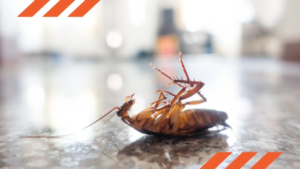
Plumbing issues can create an inviting environment for pests, making it essential to consider pest control in conjunction with plumbing inspections. Many homeowners overlook the interconnection between these two aspects, but understanding their relationship can lead to a healthier living space.Plumbing systems play a crucial role in maintaining a home’s structural integrity and sanitation. Issues like leaks, standing water, and poor drainage can not only damage your property but also attract pests such as rodents, cockroaches, and termites.
These pests are drawn to moisture and the food sources that often accompany plumbing failures. For instance, a leaky pipe can create damp conditions that are ideal for mold and insects, while clogged drains can serve as breeding grounds for pests. Addressing plumbing problems is not just about maintaining your home; it is also a necessary step in pest prevention.
Connection Between Plumbing Systems and Pest Control Strategies
The relationship between plumbing systems and pest control strategies is significant. Many pest management approaches include inspecting plumbing as a standard procedure. Here are the key connections to consider:
1. Leaky Pipes and Moisture
Leaky pipes lead to moisture accumulation, creating ideal conditions for pests to thrive. Regular plumbing inspections can help identify leaks early, preventing both water damage and pest infestations.
2. Drainage Issues
Poor drainage can attract pests by providing stagnant water and food remnants. Ensuring that drains are clear and functional reduces the risk of pest problems.
3. Access Points
Gaps and cracks in plumbing access points can be entryways for pests. Proper sealing and maintenance of plumbing installations can limit access for rodents and insects.
4. Food Sources
Plumbing failures can lead to spills and food waste, which attract pests. Regular checks for plumbing integrity prevent these food sources from becoming accessible to pests.Preventive measures that address both plumbing and pest control can significantly enhance home safety. Here are some effective steps to take:
Regular Inspections
Schedule routine plumbing inspections to catch issues before they become significant problems, thus reducing the chance of attracting pests.
Seal Cracks and Gaps
Regularly check for and seal any cracks or gaps around plumbing fixtures to deter pests from entering your home.
Maintain Cleanliness
Keep areas around plumbing fixtures clean and free of food waste to minimize pest attraction.
Use Pest Control Products Wisely
When using pesticides, ensure they are applied away from water sources to prevent contamination while effectively targeting pests.By integrating pest control with plumbing inspections, homeowners can create a comprehensive strategy that safeguards their property from both plumbing issues and pest invasions, fostering a healthier living environment.
Home Painting and Plumbing Considerations
Inspecting plumbing before embarking on an interior painting project is essential. Ensuring that your plumbing system is in good working order can prevent costly repairs and disruptions after you’ve refreshed your home’s aesthetic. Issues such as leaks or outdated plumbing can not only damage newly painted walls but can also require significant alterations to the layout and design of your living spaces.The layout of your plumbing can greatly influence your color schemes and wall treatments.
For instance, if a plumbing pipe runs along a wall that you plan to paint a bright color, it may become a focal point rather than blending in with the overall design. Similarly, choosing a paint finish can depend on the accessibility of plumbing fixtures; high-gloss paints might be more suitable for areas near plumbing where moisture could be an issue, as they are easier to clean.
Coordinating Plumbing Upgrades with Home Painting Projects
Coordinating plumbing upgrades with painting projects can enhance the overall aesthetic and functionality of your home. When planning these projects together, consider the following points:
1. Timing of Upgrades
Schedule plumbing upgrades before painting. If you plan to replace fixtures or reroute pipes, it’s best to complete this work first to avoid repainting after potential water damage or installation mishaps.
2. Color Selection Based on Fixtures
Choose paint colors that complement your plumbing fixtures. For example, if you’re upgrading to stainless steel faucets, cooler colors like blues and grays may enhance their modern look.
3. Design Integration
If you’re adding exposed plumbing elements, such as industrial-style piping, consider how these can influence your paint choices. A bold color on the wall can create a striking contrast with metal piping, making the plumbing an intentional part of your décor.
4. Finishing Touches
After plumbing work is completed, think about how finish selections might impact the final look. For instance, if you’ve installed a new vanity with intricate plumbing below, a neutral wall color will help draw attention to the vanity without overwhelming the space.
5. Maintenance Considerations
Selecting paint that can withstand moisture is crucial in areas near plumbing. Semi-gloss or satin finishes are usually more durable and easier to maintain in these environments, ensuring that your newly painted walls can withstand the rigors of everyday life.By thoughtfully integrating plumbing considerations into your home painting projects, you can create a cohesive and visually appealing space while ensuring the longevity and functionality of both your plumbing system and your interior aesthetic.
Outdoor Spaces: Patio Deck and Plumbing

Creating an outdoor living space, such as a patio or deck, enhances the functionality and enjoyment of your home. However, plumbing considerations are essential to ensure these areas not only look appealing but also operate effectively. Proper plumbing can facilitate outdoor cooking, drinking water access, and efficient drainage, making your outdoor entertaining and landscaping design both practical and aesthetically pleasing.The integration of plumbing into your outdoor spaces can significantly influence your ability to host gatherings, manage water runoff, and maintain your landscape.
When planning a patio or deck, understanding how plumbing systems work will help you design an area that meets your needs. Here are some key factors to consider:
Plumbing Considerations for Patios and Decks
When designing outdoor spaces, it’s crucial to address plumbing elements that can enhance functionality. Considering these aspects can streamline outdoor entertaining and landscaping efforts:
- Water Supply Access: Ensure convenient access to water sources for cleaning, cooking, and gardening.
- Drainage Solutions: Incorporate adequate drainage systems to prevent water pooling and protect your structure.
- Outdoor Fixtures: Plan for fixtures like sinks, barbecues, or outdoor showers, which require proper plumbing connections.
- Winterization: Implement strategies to protect plumbing from freezing during colder months, such as frost-proof faucets.
- Aesthetic Integration: Choose fixtures and pipes that complement your outdoor design, ensuring they blend seamlessly into the landscape.
Incorporating these plumbing features strategically enhances the overall functionality of your outdoor spaces while maintaining a pleasing aesthetic. By considering plumbing as part of the initial design process, homeowners can avoid costly retrofits and ensure a smooth and enjoyable outdoor experience.
Integrating thoughtful plumbing solutions into your patio and deck design can elevate your outdoor entertaining and landscaping, ensuring beauty and functionality.
Last Recap
In conclusion, neglecting plumbing inspections before purchasing a home can lead to unforeseen financial burdens and complications. By being proactive and ensuring a thorough inspection, you not only safeguard your investment but also enhance your overall living experience. Remember, a well-functioning plumbing system is a foundation for a happy home.
Questions and Answers
What are the signs that a plumbing inspection is necessary?
If you notice signs like slow drains, unexpected water bills, or water stains on ceilings and walls, it’s time for an inspection.
How long does a plumbing inspection take?
A typical plumbing inspection can take anywhere from one to three hours, depending on the size and complexity of the home.
Can I perform a plumbing inspection myself?
While some basic checks can be done by a homeowner, hiring a professional ensures that all aspects are thoroughly evaluated.
What is the cost of a plumbing inspection?
The cost can vary widely, generally ranging from $200 to $500, depending on the home’s location and size.
Do plumbing issues affect home insurance?
Yes, unresolved plumbing issues can impact your home insurance coverage and may lead to higher premiums.