Layered lighting for cozy spaces is all about crafting warm, inviting environments that enhance comfort and style. By combining different types of lighting—ambient, task, and accent—you can transform any room into a haven that feels just right for relaxation or entertaining. Understanding how each layer contributes to the overall atmosphere is essential in creating a cozy space that resonates with both functionality and aesthetic appeal.
In today’s exploration, we will delve into the various techniques to implement layered lighting effectively, discuss how it fits into broader interior design principles, and offer practical advice on selecting fixtures and placements that not only brighten a room but make it feel like home. Whether you’re reimagining your living room or enhancing your kitchen, the right lighting can make all the difference.
Layered Lighting Concepts
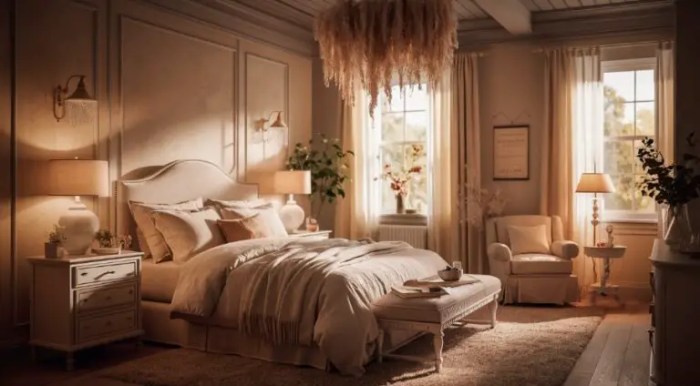
Layered lighting is fundamental in creating inviting and cozy spaces. By combining different types of lighting, you can establish a dynamic atmosphere that enhances comfort and functionality. Each layer serves a unique purpose, contributing to the overall warmth and aesthetic appeal of a room.Understanding the three main types of lighting—ambient, task, and accent—can help you design a space that feels both cozy and well-lit.
Each layer works in harmony with the others to provide a versatile lighting solution that adapts to various activities and moods. Here’s a closer look at how these layers contribute to a warm atmosphere.
Ambient Lighting
Ambient lighting serves as the foundational layer of illumination in any space. It provides general lighting that fills the room, ensuring safety and visibility. The importance of ambient lighting lies in its ability to set the overall mood and tone of the environment. Common examples include:
- Ceiling-mounted fixtures like chandeliers or flush mounts that distribute light evenly.
- Recessed lighting installed in ceilings, creating a seamless and modern look.
- Floor lamps or table lamps that provide soft light and can be easily moved to enhance different areas.
Ambient lighting creates a soft backdrop that allows for other layers to shine, making spaces feel inviting and comfortable.
Task Lighting
Task lighting is specifically designed to illuminate work areas, making it easier to perform tasks such as reading, cooking, or studying. The critical role of task lighting is to provide focused illumination that reduces eye strain and enhances functionality.Examples of effective task lighting include:
- Reading lights positioned beside chairs or beds for comfortable reading experiences.
- Under-cabinet lighting in kitchens to illuminate countertops for cooking.
- Desk lamps that offer adjustable brightness to cater to specific tasks.
By integrating task lighting into a room, you enhance its usability while maintaining a cozy feel through the careful selection of warm-toned bulbs.
Accent Lighting
Accent lighting adds depth and character to a space by highlighting specific features or areas within the room. This layer creates visual interest and warmth, drawing attention to art pieces, architectural details, or unique design elements.Key examples of accent lighting include:
- Spotlights directed at artwork to create a gallery-like atmosphere.
- Wall sconces that illuminate entryways or corridors, adding a welcoming glow.
- Tabletop candles or decorative lights that create a soft ambiance and enhance aesthetics.
Accent lighting plays a crucial role in making a space feel personalized and cozy, inviting people to linger and explore the environment.
Layered lighting not only enhances the functionality of a space but also transforms its atmosphere, making it feel warm and inviting.
Techniques for Implementing Layered Lighting
Creating a cozy space with layered lighting involves a strategic combination of ambient, task, and accent lighting. By thoughtfully integrating these different lighting sources, you can enhance the mood and functionality of any room. Layered lighting not only brightens up spaces but also adds depth and interest to your interiors, making them more inviting and warm.One effective method for combining various lighting sources is to start with ambient lighting as your foundation.
This could be achieved through ceiling fixtures or wall-mounted lights that provide overall illumination. Next, incorporate task lighting, such as table lamps or under-cabinet lights, to assist in completing specific activities like reading or cooking. Finally, accent lighting, like wall sconces or decorative LED strips, can be utilized to highlight artwork or architectural features. This structured approach ensures that every corner of your space is well-lit and contributes to a warm atmosphere.
Methods for Combining Different Lighting Sources
To effectively use layered lighting, consider the following techniques:
1. Mix Different Types of Light Fixtures
Combine ceiling lights, floor lamps, and table lamps to create diverse light sources. For example, use a pendant light for ambient lighting, a stylish floor lamp for task lighting, and wall sconces to add an accent to your walls.
2. Use Dimmers for Versatility
Installing dimmer switches allows you to adjust the brightness of your lights according to the time of day or the mood you wish to create. This flexibility is crucial for maintaining a cozy atmosphere.
3. Focus on Color Temperature
Choose bulbs with a warm color temperature (between 2700K and 3000K) to promote a relaxed vibe. Different fixtures can have varying color temperatures, so ensure they harmonize well to maintain a unified look.
4. Layering Heights
Vary the heights of your light sources. Hanging pendant lights can create visual interest and depth when combined with table lamps and floor lamps of differing heights.
5. Consider Natural Light
Maximize the use of natural light by choosing lighter curtains or shades that allow sunlight to filter through during the day. This can also influence how your artificial lighting interacts with the space.
Tips for Selecting Light Fixtures
Choosing the right fixtures is essential to enhance your cozy design. Here are some tips to guide your selection:
Match the Style
Ensure that your light fixtures complement the overall aesthetic of your space. For instance, rustic-style lamps work well in a farmhouse setting, while sleek, modern fixtures suit contemporary designs.
Scale Matters
Choose fixtures that are appropriately sized for your space. A large chandelier can be a statement piece for a spacious dining area, while a smaller pendant light can fit nicely over a cozy breakfast nook.
Material Selection
Opt for materials that add warmth and texture, such as wood, fabric, or warm metals. Avoid overly cold materials like chrome or stark plastics for a cozy feel.
Functionality First
Prioritize functionality when selecting fixtures. Task lighting should be bright enough for specific activities, while ambient and accent lights should provide a soft glow to create comfort.
Lighting Placement Checklist for Various Rooms
Effective lighting placement is key to achieving a cozy environment. Here’s a handy checklist to consider for different spaces in your home:
Living Room
Use a combination of overhead lighting and floor lamps.
Include table lamps on side tables for soft task lighting.
Incorporate accent lights near artwork or bookshelves. –
Kitchen
Install under-cabinet lighting for task-oriented areas.
Use pendant lights over islands or dining areas for focused light.
Ensure overhead lights are bright enough to illuminate the entire space. –
Bedroom
Position bedside lamps for convenience and soft reading light.
Use dimmable ceiling fixtures for versatile ambiance.
Add accent lighting in closets or alcoves for added warmth. –
Bathroom
Install vanity lights at eye level to eliminate shadows.
Consider adding a soft overhead light for general illumination.
Use accent lighting to highlight decorative elements.
Each of these techniques and tips contributes to creating a layered lighting scheme that enhances the coziness and functionality of your spaces while reflecting your personal style.
Interior Design and Decorating
Layered lighting is an essential element in the realm of interior design, harmonizing with various principles to create inviting and cozy environments. It enhances the functionality of spaces while contributing to the overall aesthetic by blending natural and artificial light sources. Integrating layered lighting into design concepts not only affects visibility but also influences mood, texture, and spatial perception, thereby enriching the overall experience within a room.The integration of layered lighting can be aligned with color schemes to optimize the effects of illumination in cozy spaces.
Certain colors interact distinctly with light, enhancing or diminishing the warmth and ambiance of a room. Soft hues, such as creamy whites, gentle pastels, or muted earth tones, reflect light beautifully and amplify the cozy atmosphere. Conversely, darker shades like deep blues or rich greens can absorb light, creating a more intimate vibe when paired with thoughtful lighting strategies.
Color Schemes That Enhance Lighting Effects
Selecting the right color scheme is crucial for maximizing the effects of layered lighting. Here are some color combinations that work effectively in creating cozy spaces:
- Warm Neutrals: Beige, taupe, and soft browns can create a warm, inviting glow when paired with warm-toned lighting.
- Pastel Palettes: Soft pinks, light blues, and pale yellows can reflect light and create a cheerful yet cozy ambiance.
- Deep Jewel Tones: Rich colors like emerald green or sapphire blue can add sophistication and warmth, especially under the right lighting.
- Monochromatic Schemes: Shades of one color can create depth and interest, allowing layered lighting to enhance nuances and textures.
Furniture Arrangement Strategies That Optimize Lighting
Furniture arrangement plays a significant role in maximizing the impact of layered lighting. Strategic placement can enhance natural light and make artificial lighting more effective. Here are key strategies for optimizing lighting through furniture arrangement:
- Positioning Near Windows: Arranging sofas and chairs near windows allows natural light to penetrate and illuminate the space, reducing the reliance on artificial lighting during the day.
- Creating Cozy Nooks: Using furniture to create intimate seating areas can help focus light sources, making spaces feel warmer and inviting.
- Utilizing Reflective Surfaces: Incorporating mirrors or glossy finishes can bounce light around the room, enhancing the effect of both natural and artificial light.
- Layering Heights: Mixing low and high furniture pieces can create varied levels of light distribution, allowing for a more dynamic ambiance.
Layered lighting, when thoughtfully integrated with color schemes and furniture arrangements, transforms spaces into harmonious retreats that prioritize comfort and style.
Kitchen Improvements
Layered lighting plays a pivotal role in transforming kitchen spaces into functional and inviting areas. In a space where culinary creativity unfolds, proper lighting not only enhances visibility but also contributes to the overall aesthetic and mood. By incorporating various types of lighting, kitchens can achieve a balance between task-oriented illumination and warm ambiance, making them more enjoyable for cooking and gathering.To enhance functionality in the kitchen, it’s essential to focus on three primary layers of lighting: ambient, task, and accent.
Each layer serves a specific purpose and, when combined, creates a cohesive and versatile lighting scheme. The ambient light provides general illumination, task lighting focuses on work areas like countertops and cooking stations, and accent lighting highlights architectural features or decor.
Types of Fixtures Suitable for Kitchen Spaces
When selecting lighting fixtures for the kitchen, it’s important to choose options that cater to both aesthetic appeal and practical function. Here are several fixture types that can be effectively employed to create a well-lit kitchen environment:
- Recessed Lighting: Ideal for ambient lighting, recessed fixtures can be installed in the ceiling to provide unobtrusive general illumination. This type helps to eliminate shadows and enhances the overall brightness of the kitchen.
- Under-Cabinet Lighting: This task lighting is perfect for illuminating countertops, making food preparation safer and more efficient. LED strips or puck lights are popular choices, as they provide focused light right where it’s needed.
- Pendant Lights: These fixtures are great for adding character and style to the space. Hanging pendant lights over kitchen islands or dining areas can serve as both task and accent lighting, creating focal points in the kitchen.
- Track Lighting: Flexible and adjustable, track lighting allows for targeted illumination of specific areas. This is especially useful in larger kitchens or those with unique layouts.
- Chandeliers: For a touch of elegance, a chandelier can be used as a statement piece in a dining area or above an island. This piece adds warmth and sophistication while providing ample lighting.
Creating a welcoming kitchen ambiance through lighting involves more than just function; it’s about setting the right mood. Thoughtful layering and fixture selection can transform the kitchen into a cozy gathering place for family and friends.
“The right lighting can turn an ordinary kitchen into a warm and inviting space, perfect for entertaining or enjoying family meals.”
To establish a welcoming atmosphere, consider the following suggestions:
- Use dimmers on fixtures to adjust lighting according to the time of day or activity, allowing for a soft glow during intimate dinners or brighter light for cooking.
- Incorporate warm-colored bulbs to create a cozy feel. Soft white LED bulbs are ideal for enhancing the warmth of wood cabinets and countertops.
- Select decorative fixtures that reflect your personal style while also providing adequate light. Unique designs can serve as conversation starters and contribute to the kitchen’s overall decor.
- Layer different lighting types to create depth. Combining ambient, task, and accent lighting will ensure every corner of the kitchen feels inviting and well-lit.
Landscaping Outdoor Decorating
Creating cozy outdoor environments greatly enhances the enjoyment of your outdoor spaces, making them ideal for relaxation and entertaining. Thoughtfully designed outdoor lighting can transform your patio, garden, or backyard into a charming retreat, offering warmth and ambiance even after the sun sets. By integrating layered lighting techniques, homeowners can achieve a balanced and inviting atmosphere, perfect for gatherings or peaceful evenings alone.Layered lighting in outdoor settings combines various light sources to achieve depth and functionality.
This method includes ambient, task, and accent lighting, each serving a unique purpose. Ambient lighting illuminates the entire area, task lighting focuses on specific activities, and accent lighting highlights key features such as plants, sculptures, or architectural elements. Implementing these layers not only enhances the aesthetics but also improves safety and usability.
Integration of Layered Lighting for Patios and Gardens
When planning layered lighting for patios and gardens, it’s crucial to consider the various types of lighting that will work harmoniously together. A well-designed lighting scheme helps create zones for different activities while maintaining a cozy environment.For example, using overhead string lights can provide ambient light, creating a magical atmosphere above dining areas. Additionally, installing wall-mounted sconces or lanterns can enhance task lighting near cooking or entertaining spaces, ensuring functionality without sacrificing style.
For accent lighting, consider using spotlights to illuminate beautiful trees or flower beds, bringing attention to the natural beauty of the landscape.Incorporating these elements can create a cohesive lighting design. Here are some effective lighting techniques for outdoor entertaining areas:
- String Lights: These versatile lights can be draped across patios or pergolas, offering a warm glow perfect for evening gatherings.
- Pathway Lights: Placing low-level lights along walkways can guide guests safely while adding a charming element to the landscape.
- Tabletop Lanterns: These provide intimate lighting at dining tables, enhancing the setting for meals and conversations.
- Spotlights: Directing light onto unique garden features or artwork can create a stunning focal point, adding depth to the overall design.
- Fire Pits: Installing a fire pit not only offers warmth but also creates a cozy gathering spot illuminated by the flickering flames.
Each of these techniques not only enhances the functionality of outdoor spaces but also invites a sense of tranquility and comfort. Effective outdoor lighting ensures that your landscaped areas become inviting extensions of your home, ready for any occasion.
Home Lighting Innovations
As we navigate through an era of rapid technological advancement, the world of home lighting is experiencing groundbreaking innovations that profoundly impact the coziness and ambiance of our spaces. These advancements not only enhance aesthetic appeal but also contribute to energy savings and improved functionality. Understanding these innovations allows homeowners to create inviting environments while embracing sustainability.Lighting technology has evolved significantly, with new trends emerging that cater to our desire for comfort, energy efficiency, and smart solutions.
The integration of smart lighting systems and energy-efficient options is transforming the way we illuminate our homes, making it easier to create personalized atmospheres. From smart bulbs that can be controlled via smartphone apps to energy-efficient LED fixtures, these innovations are reshaping our approach to home lighting.
Latest Trends in Lighting Technology
The evolution of lighting technology has brought about several exciting trends that enhance the coziness of our living spaces. Here are some of the key innovations:
- Smart Lighting Systems: These systems allow homeowners to control lighting using smartphones, voice commands, or automation. Lights can change color, brightness, and even schedule on and off times to suit different moods or activities.
- Human-Centric Lighting: This trend focuses on adjusting light levels based on natural daylight, promoting better well-being and comfort. Biophilic design principles are incorporated to mirror the natural light cycle, creating a more soothing environment.
- Tunable White Technology: With this innovation, users can adjust the color temperature of white light. This flexibility helps to create a warm, inviting atmosphere during evenings while providing cooler, energizing light during the day.
Smart Lighting Solutions for Comfort and Ambiance
Smart lighting solutions have become essential for enhancing comfort and ambiance in modern homes. These solutions integrate technology seamlessly, allowing for a tailored lighting experience:
- Voice-Controlled Lighting: Systems like Amazon Alexa and Google Assistant enable hands-free control of lighting, allowing users to adjust settings effortlessly to match their mood or activity.
- Scene Setting: Smart systems allow users to create and save specific lighting scenes for various occasions, such as a cozy movie night or a lively dinner party, enhancing the overall experience.
- Home Automation Integration: Smart lighting can be linked with other smart home devices. For instance, lights can be set to turn on when a security system is activated or dim automatically when a TV is turned on.
Energy-Efficient Lighting Options
Incorporating energy-efficient lighting options is crucial for sustainability and can significantly reduce energy costs. Here’s a guide to some of the best practices:
- LED Lighting: LED bulbs consume up to 75% less energy than traditional incandescent bulbs and last significantly longer, making them an eco-friendly choice for any home.
- Smart Sensors: Utilizing motion sensors and timers ensures that lights are only on when needed, leading to substantial energy savings.
- Daylight Harvesting: Designing your space to maximize natural light can greatly reduce reliance on artificial lighting. Using skylights or strategically placing mirrors can help enhance natural light availability.
New Construction Lighting Strategies
When planning a new build, the lighting design is crucial for creating inviting, functional spaces. Layered lighting, which combines ambient, task, and accent lighting, can significantly enhance the aesthetic and utility of your home. Effective planning from the outset ensures that the lighting complements the architecture and fulfills the needs of its occupants.Zoning for lighting is an essential strategy when designing a new residence.
Different areas of the home serve various purposes, and lighting should be tailored to those functions. Proper zoning allows for flexibility in how spaces are used and enhances the overall ambiance.
Considerations for Planning Layered Lighting
When planning layered lighting in new constructions, multiple factors should be taken into account to achieve the desired effect. These considerations include the layout of each room, the natural light available, and how the space will be utilized throughout the day. Here are some key factors to consider:
- Room Functionality: Understand the primary use of each room. For example, kitchens require bright task lighting for cooking, while living areas benefit from softer, ambient lighting for relaxation.
- Natural Light Sources: Assess how much natural light each room receives. Areas with plenty of windows may need less artificial lighting, while darker spaces may require a more robust lighting plan.
- Ceiling Height: The height of ceilings can influence the choice of light fixtures. Higher ceilings often benefit from pendant lights or chandeliers to maintain visual interest.
- Flexibility and Control: Incorporate dimmers and smart lighting systems to enable adaptability in lighting levels for different activities or moods.
Zoning for Lighting in Different Areas of the Home
Effective zoning for lighting involves strategically placing light sources that cater to the specific functions of various areas in the home. A well-planned layout enhances both aesthetics and usability. Consider the following zones and their lighting requirements:
- Living Areas: Use a mix of ambient lighting and accent lighting to create inviting spaces for gatherings. Floor lamps and wall sconces can provide warmth and character.
- Kitchen: Task lighting is essential for work areas, while soft ambient lighting can set the mood for dining. Under-cabinet lights are a popular choice for illuminating countertops.
- Bedrooms: Layer soft ambient lighting with bedside lamps for reading. Dimmers can help create a relaxing atmosphere.
- Bathrooms: Bright task lighting around mirrors is important for grooming, while soft lighting options can provide a soothing environment for relaxation.
Working with Architects and Builders for Optimal Lighting Design
Collaboration with architects and builders is vital for achieving an effective lighting design in new constructions. Clear communication about your lighting needs and preferences can lead to better integration of lighting within the architectural plans. Consider the following tips for effective collaboration:
- Share Your Vision: Provide examples of lighting styles you like to help your architect understand the aesthetic you are aiming for.
- Discuss Lighting Zones Early: Involve your architect in the discussion of where lighting will be most effective based on how you plan to use each space.
- Plan for Fixture Placement: Work with your builder to determine the best locations for light fixtures, ensuring they enhance the room’s design and functionality.
- Consider Electrical Needs: Discuss the electrical infrastructure required for your lighting plan to avoid potential issues during installation.
Home Painting and Lighting Relation
Understanding the relationship between paint colors and lighting is essential for creating inviting and pleasant spaces within your home. The choice of paint not only influences the aesthetic appeal of a room but also interacts with light to affect the overall ambiance. This discussion explores how various elements of paint can impact the perception of lighting in any given space, guiding you toward making informed decisions for a harmonious environment.The colors selected for painting walls significantly affect how light is perceived in a room.
Lighter shades typically reflect more light, making a space feel brighter and more open, while darker hues absorb light, which can create a cozier, more intimate atmosphere. Additionally, the undertones present in paint colors—whether warm or cool—can alter the quality of light in a room, as certain shades can enhance or diminish the effects of natural and artificial lighting.
Choosing Paint That Complements Layered Lighting
Selecting the right paint colors to work in harmony with layered lighting involves understanding how different colors interact with various light sources. Here are some considerations to keep in mind:
Assess the Light Sources
Determine the types of lighting in the room—ambient, task, and accent—and how they interact with natural light throughout the day.
Consider Color Temperature
Warm colors (like yellows and reds) can make a space feel inviting and are often enhanced by warm lighting. Cool colors (like blues and greens) can feel refreshing and work well with cooler light sources.
Test Samples
Always sample paint colors in the actual space to observe how they look at different times of the day under various lighting conditions.
Use Reflective Finishes
Satin or eggshell finishes can reflect light better than flat finishes, enhancing brightness in a room.
“The right paint color can elevate the ambiance of a room, transforming it from mundane to magnificent.”
Impact of Finishes and Textures on Lighting Appearance
The finish and texture of paint can greatly influence the way light interacts with a surface. Here’s why these aspects matter:
Gloss Level
Higher gloss finishes amplify light reflection, which can brighten a room but may also highlight imperfections in the walls. Conversely, flat finishes diffuse light, creating a softer effect but may absorb light, making the space feel darker.
Texture Variation
Textured finishes, like stucco or sponge painting, can create shadows and depth, adding visual interest but also complicating how light is distributed. Smooth surfaces tend to reflect light evenly, making spaces feel larger.
Layering Techniques
Using multiple techniques, such as mixing gloss and matte finishes, can create dynamic lighting effects, enhancing the layered lighting design in the room.By thoughtfully considering these elements, you can create a cohesive environment where paint and lighting work together to establish the desired mood and functionality of your home.
Pest Control Considerations for Outdoor Lighting
Outdoor lighting is not just about aesthetics; it plays a significant role in pest control strategies. The way you design and implement your outdoor lighting can either attract or deter unwanted pests. Understanding the relationship between light and insect behavior is crucial for creating a comfortable and enjoyable outdoor environment.Certain types of outdoor lighting can attract specific insects, which may lead to annoyance and potential infestations.
For instance, traditional incandescent bulbs often emit a warm light that is particularly enticing to moths and other nocturnal insects. Conversely, LED lights and yellow-tinted bulbs can be effective in minimizing pest attraction. By strategically placing outdoor lighting, homeowners can reduce pest activity and enhance the usability of their outdoor spaces.
Designing Outdoor Lighting to Minimize Pest Attraction
When planning outdoor lighting, several key strategies can help to minimize pest attraction while effectively illuminating your space. Here are some important considerations to keep in mind:
Choose the Right Bulbs
Utilizing LED or yellow-hued bulbs can help to reduce the presence of flying insects. These bulbs emit light in a spectrum that is less appealing to pests.
Positioning of Lights
Place lights away from areas where people gather, such as patios or decks. This helps to draw insects away from these social spaces. For example, having lights point towards pathways rather than directly over gathering spots can be beneficial.
Use Motion Sensors
By incorporating motion sensors in your outdoor lighting, you can limit the amount of time lights are on, reducing the likelihood of attracting pests.
Incorporate Shielding
Using fixtures that shield the light can help direct illumination downwards and minimize the light spill that attracts insects. This is particularly useful for pathway lighting.
Integrate Natural Elements
Surrounding light sources with plants that repel insects, such as citronella or marigolds, can help create a balanced outdoor space that is both inviting and pest-resistant.
Regular Maintenance
Keep outdoor lights clean and well-maintained. Dirt and debris on fixtures can attract insects, counteracting your pest-control efforts.By implementing these strategies, homeowners can create outdoor lighting that enhances the beauty of their space while reducing the potential for pest issues.
Effective outdoor lighting not only beautifies a landscape but also serves as a strategic tool in managing pest populations.
Overall, understanding how to effectively use outdoor lighting as part of a pest control strategy can significantly improve the comfort and enjoyment of outdoor living spaces. Thoughtful design and maintenance can help create a pleasant environment while keeping unwelcome pests at bay.
Home Plumbing and Lighting Considerations
Lighting plays a crucial role in enhancing the aesthetic of spaces influenced by plumbing, particularly in areas such as kitchens and bathrooms. These spaces often contain significant plumbing fixtures, and the right lighting can highlight their beauty and functionality while creating a welcoming atmosphere. Understanding how to integrate lighting with plumbing elements is essential for achieving a well-designed and cohesive look.In bathrooms and kitchens, where plumbing fixtures are prominent, careful selection and placement of lighting can transform the overall ambiance.
For instance, ambient lighting can provide a warm glow that complements the sleek lines of modern faucets or the intricate designs of vintage sinks. Additionally, task lighting is critical in these areas for practical purposes, ensuring that users can perform their daily routines safely and effectively.
Lighting Considerations for Bathrooms and Kitchens
Selecting appropriate lighting for areas with plumbing requires an understanding of both function and aesthetic. Here are some key considerations that can enhance these spaces:
Moisture Resistance
Choose lighting fixtures that are rated for wet or damp locations, especially in bathrooms. This ensures safety and longevity. For example, recessed lighting or LED fixtures designed for bathroom use can withstand humidity.
Layered Lighting
Use a combination of ambient, task, and accent lighting. Ambient lighting provides overall illumination, task lighting focuses on specific work areas like sinks or countertops, and accent lighting can highlight decorative elements.
Fixture Design
Plumbing fixtures like sinks and faucets can be beautifully complemented by lighting. For example, a modern vessel sink pairs well with sleek pendant lighting, creating a contemporary look.
Color Temperature
Opt for warm white light (around 2700K-3000K) to create a cozy atmosphere in bathrooms, while cooler temperatures can work well in kitchens to enhance cleanliness and focus.
Dimmer Switches
Installing dimmer switches allows flexibility in lighting levels, accommodating both bright task lighting during cooking and softer ambient light for relaxing baths.
Statement Lighting
Consider using bold light fixtures as focal points in the kitchen or bathroom. A unique chandelier over a freestanding tub or an eye-catching pendant above an island can draw the eye and add character.
“The right lighting not only highlights plumbing features but also enhances the functional aspects of kitchens and bathrooms.”
Examples of plumbing fixtures that pair well with ambient lighting include:
Sleek Faucets
Modern faucets with clean lines can be beautifully highlighted by under-cabinet lights, giving the kitchen a polished look.
Vanity Sinks
In bathrooms, well-placed sconces beside a mirror can enhance the elegance of a stylish vanity sink while providing necessary task lighting.
Freestanding Tubs
A luxurious freestanding tub can become a focal point when paired with a decorative pendant light or chandelier above it, creating a spa-like atmosphere.By integrating thoughtful lighting strategies with plumbing elements, homeowners can create spaces that are not only functional but also visually appealing, enhancing the overall experience of daily routines.
Home Remodeling and Lighting Enhancements
Embarking on a home remodeling project is an exciting opportunity to not only transform the aesthetics of your space but also enhance its functionality. One of the key elements that can significantly influence the mood and comfort of your home is lighting. Understanding how to assess and update the lighting during renovations can create a cozier atmosphere while respecting the architectural integrity of older homes.Assessing existing lighting is crucial when beginning a remodeling project.
It involves evaluating both the quantity and quality of light currently present in the space. Start by identifying areas that feel dark or overly bright, as well as spots that could benefit from additional illumination. Consider the following aspects during your assessment:
Evaluating Current Lighting
A comprehensive evaluation of existing lighting can help inform your remodeling choices. Pay attention to:
- Light Levels: Measure the brightness in various areas using a light meter. This helps determine where enhancements are needed.
- Fixture Placement: Note the location of existing fixtures and how effectively they light the space. Consider if changes in layout necessitate repositioning.
- Type of Bulbs: Assess the current bulbs used. Switching to LED or other energy-efficient alternatives can improve light quality dramatically.
- Natural Light Sources: Observe how natural light enters the space. Identify windows that may need treatment to optimize daylighting.
Integrating new lighting solutions during renovations is essential for achieving a cozy feel. When updating lighting, consider styles and fixtures that complement the existing decor while providing effective illumination. Here are several strategies to consider:
Updating Lighting for Coziness
Enhancing coziness through lighting is about layering and creating a warm atmosphere. Here are some effective strategies:
- Layered Lighting: Incorporate ambient, task, and accent lighting to create a balanced lighting scheme. Use dimmers to adjust brightness levels based on the time of day or the mood desired.
- Warm Color Temperature: Opt for bulbs with a warmer color temperature (around 2700K to 3000K) to create a soft, inviting glow.
- Use of Decorative Fixtures: Select light fixtures that add character to the space, such as chandeliers or pendant lights, that resonate with your style while enhancing warmth.
- Smart Lighting Solutions: Implement smart bulbs or systems that allow you to control lighting via mobile devices, enabling you to adjust settings easily for different occasions.
Integrating new lighting with older architectural elements can pose challenges, but it is also an opportunity to create a harmonious blend of the old and new. Here are strategies to successfully merge these elements:
Integrating New Lighting with Older Architecture
When blending modern lighting with traditional architectural features, thoughtful placement and design are key. Consider these approaches:
- Respecting Architectural Features: Choose fixtures that enhance rather than overshadow architectural details, such as crown moldings or beams. For instance, wall sconces can accentuate hallways without obstructing views of intricate moldings.
- Consistent Design Language: Maintain a cohesive design language throughout the space. If your home has vintage elements, consider using antique or vintage-style lighting fixtures that resonate with the home’s character.
- Highlighting Features: Utilize accent lighting to draw attention to architectural elements such as arches, niches, or built-in shelves. This enhances their presence and adds depth to the space.
- Integrating Technology: Implement modern lighting technologies that offer flexibility, such as recessed lighting, which can be installed to blend seamlessly with existing features while providing ample illumination.
By carefully assessing existing lighting, updating fixtures thoughtfully, and integrating new elements with respect for architectural details, you can significantly enhance the warmth and comfort of your home during a remodeling project.
Patio Deck Lighting Solutions
Creating a cozy patio deck atmosphere can transform your outdoor space into a welcoming retreat for relaxation and entertainment. The right lighting not only enhances the aesthetics but also ensures functionality for various activities, from intimate dinners to lively gatherings. By layering different types of lighting, you can achieve a versatile ambiance that caters to all your outdoor needs.For an effective patio deck lighting strategy, consider employing various light sources to create depth and warmth.
Layering involves combining ambient, task, and accent lighting to provide a balanced illumination that is both practical and inviting. Here are some popular options to consider when illuminating your patio deck:
Lighting Options for Cozy Patio Decks
To establish a cozy atmosphere on your patio deck, it’s essential to choose the right lighting fixtures. Below are specific options that can help create the desired ambiance:
These add a magical touch, perfect for stringing along railings or overhead structures. They create a soft, diffused light that fosters a cozy environment. Tall, freestanding lamps can be placed strategically to provide task lighting for reading or relaxing. Ideal for dining tables or side tables, these fixtures offer localized lighting for meals or gatherings. Mounted on walls, sconces can accentuate architectural features while providing ambient light. These portable lights are versatile for placement anywhere on the deck and can be used to create focal points. Inset lighting into the deck or surrounding pathways can guide guests safely while adding a modern touch.
Layering Lighting for Different Activities
Utilizing layered lighting can significantly enhance the functionality of your patio deck for various activities. Each layer serves a distinct purpose, ensuring that the space remains adaptable. Consider the following breakdown:
This is the primary source of light for the entire area and can include overhead fixtures or wall-mounted lights. It sets the mood for general use. Focused lighting that serves specific needs, such as brightening dining areas or providing light for games or activities. Table lamps and pendant lights work well here. Used to highlight features, such as plants, artwork, or architectural elements. This can involve spotlights or decorative lanterns to create visual interest.
Selecting Materials for Outdoor Lighting Fixtures
Choosing durable materials for outdoor lighting fixtures is crucial due to exposure to varying weather conditions. Here’s a guide to selecting materials that ensure longevity and performance:
Known for its resistance to rust and corrosion, making it ideal for wet or humid climates.
“Choosing the right materials for outdoor fixtures enhances both durability and aesthetic appeal.”
Last Word
In conclusion, embracing layered lighting for cozy spaces is a fantastic way to elevate your home’s ambiance and functionality. Each layer of light, from soft ambient lighting to focused task options, plays a pivotal role in shaping the mood of a room. By thoughtfully selecting fixtures and strategically placing them, you can create a harmonious environment that invites warmth and comfort, making every moment spent in your home feel special.
Questions Often Asked
What is layered lighting?
Layered lighting refers to the combination of different types of lighting—ambient, task, and accent—to create a well-lit and inviting space.
How can I choose the right fixtures for layered lighting?
Consider the style of your space, the purpose of each light, and how fixtures will complement each other in terms of design and function.
What are some common mistakes to avoid with layered lighting?
Avoid relying solely on one type of lighting, neglecting to dim lights, and placing fixtures in areas that do not serve a purpose.
Can layered lighting work in small spaces?
Yes, layered lighting can enhance small spaces by providing depth and dimension, making them feel larger and more inviting.
How often should I update my lighting?
It’s a good idea to reassess your lighting every few years or whenever you redesign your space to ensure it meets your current needs and style.