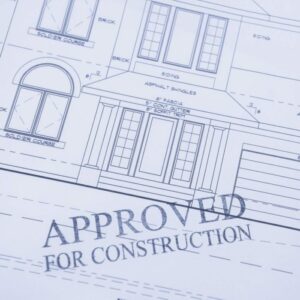
Permitting process for new homes is a vital journey that every new homeowner must navigate before they can build their dream dwelling. Understanding this process can save you time, money, and a lot of headaches, as it involves a range of steps from application to approval, each with its own set of requirements and challenges.
With local regulations, documentation, and design considerations playing key roles, this overview will delve into the intricacies of securing the necessary permits, ensuring your new home meets all the required safety and zoning standards.
Overview of the Permitting Process for New Homes
The permitting process for new homes is a crucial step in ensuring that building projects comply with local regulations and standards. This process can often be complex, requiring various forms of documentation and adherence to specific guidelines. Understanding the main steps involved can help streamline the journey from concept to construction.
The permitting process generally involves several key steps, which are Artikeld in detail below. Each step is critical for ensuring that the intended building project not only meets safety and quality standards but also aligns with community planning efforts. Fulfilling each stage with the appropriate documentation is essential for a smooth approval process, as insufficient or incorrect paperwork can lead to delays or rejections.
Main Steps in the Permitting Process
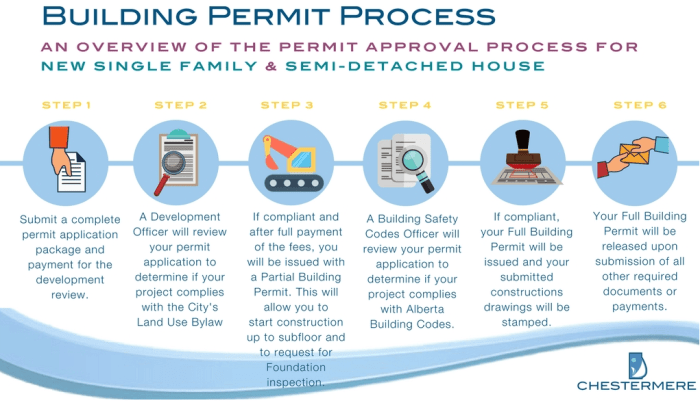
The permitting process consists of multiple steps that each serve a purpose in maintaining safety and community standards. The following steps are commonly involved:
- Application Submission: The first step is to complete and submit a permit application, which includes basic details about the proposed construction.
- Preliminary Review: Officials conduct an initial review to confirm that the application meets necessary requirements before moving forward.
- Site Plan Review: A detailed examination of the site plan is undertaken to ensure it complies with zoning laws and land use regulations.
- Public Notification: In some cases, community members may be notified of the proposed project, allowing for public feedback or concerns.
- Final Review and Approval: After addressing any public comments or additional requirements, the application undergoes a final review before approval is granted.
Necessary Documentation for Obtaining Permits
Collecting the right documentation is vital for a successful permitting process. The documentation typically needed includes:
- Building Plans: Detailed architectural plans that show the layout and design of the home.
- Site Survey: An official survey that Artikels the property boundaries and existing features of the land.
- Engineering Reports: Depending on the project, engineering assessments may be required to evaluate structural integrity.
- Environmental Assessments: Documentation that considers potential environmental impacts, ensuring compliance with local regulations.
- Zoning Verification: Proof that the proposed project adheres to zoning laws and regulations within the community.
Common Challenges in the Permitting Process
Navigating the permitting process can present various challenges that may hinder timely approvals. These challenges include:
- Incomplete Applications: Submitting an application lacking essential information can lead to delays in processing.
- Regulatory Changes: Local building codes and regulations can change, requiring applicants to re-evaluate their plans to meet new standards.
- Public Opposition: Community resistance or objections can complicate the approval process and necessitate additional hearings or modifications.
- Delays in Review: Depending on the volume of applications, the review process may take longer than anticipated, impacting project timelines.
- Insufficient Documentation: Failing to provide all necessary documents can lead to rejection or requests for resubmission, prolonging the process.
Understanding each step of the permitting process is essential for ensuring compliance and avoiding unnecessary delays in home construction.
Importance of Understanding Local Regulations
Understanding local regulations is crucial in the permitting process for new homes. These regulations dictate not only what can be built but also how it can be constructed. Familiarity with these rules helps homeowners and builders avoid costly delays and legal issues, ensuring a smoother path to securing the necessary permits.
Local zoning laws significantly impact the permitting process by determining land use, density, and the types of structures allowed in a given area. These laws often include specific provisions regarding setbacks, height restrictions, and the overall character of the neighborhood. If a proposed home doesn’t comply with these regulations, it could be denied, leading to wasted time and resources.
Zoning Laws and Their Impact
Zoning laws serve as a blueprint for land use in various municipalities. Their impact on the permitting process can be profound, influencing everything from the size of the home to its placement on the lot. The following points illustrate the importance of understanding these laws:
- Land Use Designations: Different areas are designated for specific uses, such as residential, commercial, or industrial. Building a home in a commercial zone can lead to immediate permit denial.
- Density Restrictions: Zoning can limit the number of homes that can be built on a property, which affects both the size and the number of dwellings allowed.
- Setback Requirements: Many zones require buildings to be set back a certain distance from property lines, which can impact the design and usable area of the lot.
Building codes and safety standards further complicate the permitting process but are equally essential for ensuring the safety and integrity of new homes. These codes dictate the materials and methods used in construction, addressing aspects such as fire safety, electrical systems, plumbing, and structural integrity.
Building Codes and Safety Standards
Compliance with building codes is not just a legal obligation; it is vital for ensuring the safety of the occupants and the durability of the structure. Consider the following aspects that illustrate the significance of adhering to these codes:
- Fire Safety Regulations: Codes often mandate specific materials and designs to minimize fire risks, especially in high-density areas.
- Electrical and Plumbing Standards: Compliance ensures systems are installed safely and efficiently, reducing the risk of hazards such as electrical fires or plumbing failures.
- Accessibility Requirements: Many jurisdictions have codes that require new homes to be accessible for individuals with disabilities, reflecting a commitment to inclusivity.
Regulations can vary significantly between municipalities, leading to a patchwork of requirements that builders must navigate. For example, a home in a suburban area may have different setback requirements compared to one in an urban setting, where land is at a premium. Similarly, some cities may impose stricter environmental regulations, while others might prioritize historical preservation.
Variability Between Municipalities
The differences in regulations from one municipality to another can lead to complexity in the permitting process. Understanding these variations is critical for any builder or homeowner:
- Permitting Fees: Fees can vary widely, impacting the overall budget for the project.
- Review Processes: Some municipalities may have expedited processes for permits, while others require extensive review and public hearings.
- Additional Local Ordinances: Local laws may impose unique requirements, such as maintaining specific architectural styles or materials.
Understanding local regulations, including zoning laws and building codes, is essential for navigating the permitting process effectively. By being aware of these factors, homeowners and builders can make informed decisions and avoid potential pitfalls that could derail their project.
Interior Design and Decorating
Interior design plays a crucial role in enhancing the overall appeal of new homes. It merges aesthetics with functionality, creating spaces that are not only visually appealing but also livable. A well-thought-out interior design can significantly influence the mood, comfort, and utility of a home, making it vital for homeowners to give careful consideration to their design choices.
Influence of Interior Design on Home Appeal
The design of a home’s interior directly impacts its attractiveness and functionality. Effective interior design can transform spaces, making them feel larger, more inviting, or cozy. Elements such as layout, furniture arrangement, and lighting can create an illusion of space or intimacy. Here are some key factors to consider:
- Space Planning: Utilizing open floor plans can create a sense of spaciousness, while strategic furniture placement enhances flow and accessibility.
- Lighting: Natural light is essential. Incorporating windows, skylights, and light fixtures can significantly affect the mood and ambiance of a room.
- Focal Points: Establishing focal points, such as an art piece or a fireplace, draws attention and adds character to the space.
Integrating Functionality with Aesthetics
The seamless blend of functionality and aesthetics is vital in home design. Homeowners can employ various techniques to achieve this balance:
- Multi-Functional Furniture: Choose furniture that serves multiple purposes, such as a sofa bed or storage ottomans, to maximize space without sacrificing style.
- Storage Solutions: Built-in shelves and cabinets can maintain a clean look while providing essential storage, keeping clutter out of sight.
- Flexible Spaces: Design spaces that can adapt for different uses, such as a home office that can double as a guest room.
Choosing Color Palettes and Materials
The choice of color palettes and materials can significantly influence the mood and style of interior spaces. Selecting the right combinations can enhance the home’s overall aesthetic appeal while reflecting the homeowner’s personality. When choosing colors and materials, consider the following:
- Color Psychology: Different colors evoke different emotions; for instance, blues and greens can create a calm atmosphere, while yellows can energize a space.
- Material Selection: Use a mix of textures and materials, such as wood, metal, and fabrics, to add depth and interest to spaces.
- Coherence: Ensure that the color palette flows throughout the home, creating a cohesive look that ties different rooms together.
“A well-designed interior not only looks good but also feels good, creating harmony between aesthetics and practical living.”
Kitchen Improvements
The kitchen is often regarded as the heart of the home, serving as a central hub for cooking, gathering, and socializing. As trends evolve, new homes are incorporating innovative designs and features that enhance both functionality and aesthetics. This section will delve into the latest trends in kitchen design, provide tips for optimizing layouts, and highlight essential features that are defining modern kitchens.
Latest Trends in Kitchen Design
Staying updated on kitchen design trends can significantly enhance the appeal and value of a new home. Here are some of the most notable trends currently shaping kitchen spaces:
- Open Concept Layouts: The preference for open spaces continues to grow, allowing kitchens to flow seamlessly into dining and living areas. This design fosters a sense of togetherness and makes entertaining easier.
- Smart Technology Integration: Modern kitchens are increasingly featuring smart appliances and technologies, such as voice-activated assistants, smart refrigerators, and automated lighting systems. These innovations enhance convenience and energy efficiency.
- Bold Colors and Textures: Homeowners are moving away from traditional white and gray palettes to embrace vibrant colors, patterned backsplashes, and unique textures, adding personality and warmth to kitchen spaces.
- Natural Materials: There is a growing trend towards using sustainable materials like reclaimed wood, bamboo, and natural stone, which not only look great but are also environmentally friendly.
Optimizing Kitchen Layouts for Efficiency and Style
An efficient kitchen layout is crucial for maximizing the usability of the space while maintaining a stylish appearance. Here are several tips to consider when designing kitchen layouts:
- Work Triangle: The work triangle concept involves placing the stove, refrigerator, and sink in a triangular layout. This ensures ease of movement and increases efficiency during meal preparation.
- Zone Designation: Designate specific zones for cooking, cleaning, and storage. This organization helps streamline tasks and makes the kitchen more user-friendly.
- Multi-Functional Islands: Kitchen islands can serve multiple purposes, including extra prep space, casual dining areas, and even storage solutions. Opt for designs that integrate features like sinks or cooktops for added functionality.
- Optimal Storage Solutions: Incorporate pull-out drawers, lazy Susans, and vertical storage to maximize space and keep everything organized. Efficient storage reduces clutter and enhances the kitchen’s overall aesthetic.
Essential Features in Modern Kitchens
When designing a modern kitchen, certain features are essential for both functionality and a sophisticated look. Consider the following elements:
- High-Quality Countertops: Materials like quartz, granite, and marble provide durability and elegance, making them popular choices for countertops.
- Energy-Efficient Appliances: Investing in energy-efficient appliances not only reduces utility bills but also promotes a more sustainable home environment.
- Ample Lighting: Layered lighting, including task, ambient, and accent lighting, enhances the kitchen’s functionality and ambiance.
- Stylish Fixtures: Choosing designer faucets and cabinet hardware can elevate the overall aesthetic, adding a touch of luxury to the kitchen space.
- Smart Storage: Features like pull-out pantry shelves and under-cabinet lighting ensure that the kitchen remains organized and visually appealing.
Landscaping and Outdoor Decorating
Creating an inviting outdoor space is essential in new home construction, as it significantly enhances curb appeal and overall property value. Landscaping not only beautifies the environment but also fosters a connection between the home and its surroundings. A well-maintained exterior acts as a welcoming beacon, setting the tone for what lies inside.
Landscaping plays a critical role in establishing an attractive first impression. Thoughtful design choices can enhance the visual appeal and functionality of outdoor spaces. Various landscaping styles can cater to different climates, ensuring that the design is not only beautiful but also sustainable and manageable throughout the year.
Landscaping Styles for Different Climates
Selecting the right landscaping style is crucial, as it should complement the local climate and the characteristics of the home. Here are several predominant landscaping styles suited for various environments:
- Tropical Landscaping: Ideal for warm and humid climates, this style incorporates lush greenery, vibrant flowers, and water features. Plants like palms, hibiscus, and ferns thrive in these conditions and create a vibrant atmosphere.
- Desert Landscaping: Perfect for arid regions, desert landscaping uses drought-resistant plants like succulents and cacti. Decorative gravel and rocks can replace traditional lawns, minimizing water usage while maintaining aesthetic appeal.
- Temperate Landscaping: This style is suitable for regions with four distinct seasons. It often includes a mix of perennials, shrubs, and trees that showcase seasonal changes, such as flowering dogwoods in spring and colorful maples in autumn.
- Coastal Landscaping: In beach areas, choose salt-tolerant plants that can withstand wind and sand. Grasses, sea oats, and native shrubs work well in this environment while enhancing natural beauty and reducing erosion.
Understanding the characteristics of these styles helps homeowners make informed decisions that reflect their tastes while optimizing maintenance and environmental sustainability.
Ideas for Outdoor Decorating
Enhancing outdoor living spaces goes beyond just plants and hardscapes; thoughtful decorations can create inviting areas for gatherings and relaxation. Here are some ideas for outdoor decorating that can transform the exterior:
- Outdoor Seating Areas: Incorporate comfortable seating with weather-resistant furniture, such as lounge chairs or hammocks, to create inviting spots for relaxation or gatherings. Adding cushions in vibrant colors can enhance the decor.
- Lighting Features: Use string lights, lanterns, or solar-powered garden lights to illuminate pathways and highlight features. Soft lighting creates a cozy ambiance for evening entertainment.
- Decorative Planters: Choose unique planters to showcase flowers and greenery. Materials like ceramic, metal, or wood can introduce texture and style while ensuring that plants thrive.
- Outdoor Art: Consider sculptures, garden stakes, or wall art to add personality to the landscape. These art pieces can serve as focal points and enhance the overall design theme.
- Fire Pits: A fire pit is an excellent addition for both functionality and atmosphere. It provides warmth during cooler evenings and serves as a gathering place for friends and family.
Incorporating these outdoor decorating ideas can elevate the aesthetic and functional aspects of outdoor spaces, making them an extension of the home that is inviting and enjoyable.
Home Lighting
Lighting plays a crucial role in defining the ambiance and aesthetic appeal of a new home. It not only illuminates spaces but also enhances the architectural features, colors, and textures of each room. The right lighting can transform a simple area into a vibrant living space, influencing mood and functionality.
Selecting appropriate lighting fixtures for various areas within your home is essential to achieve both practicality and style. Each room has unique requirements based on its purpose, size, and the activities performed within it. Therefore, understanding the types of lighting, such as ambient, task, and accent lighting, is fundamental for creating a well-lit environment.
Guide for Selecting Lighting Fixtures
When choosing lighting fixtures, consider the following aspects to align with your home’s design and functionality:
- Ambient Lighting: This is the general illumination of a space. For living rooms and bedrooms, opt for soft, diffused lighting, such as ceiling-mounted fixtures or wall sconces that create a warm atmosphere.
- Task Lighting: Essential for areas where specific activities occur, such as reading or cooking. Examples include pendant lights over kitchen islands or adjustable lamps in study areas.
- Accent Lighting: Used to highlight specific features or artworks. Spotlights or wall-mounted fixtures can draw attention to decorative elements like artwork or architectural details.
- Fixture Size and Scale: Ensure that the size of the lighting fixtures matches the scale of the room. Larger fixtures can make a statement in spacious areas, while smaller ones are ideal for cozy rooms.
- Energy Efficiency: Consider LED fixtures for their longevity and energy-saving benefits. They offer a range of styles and brightness levels while being environmentally friendly.
Natural light profoundly impacts interior spaces, enhancing the overall aesthetic and energy efficiency of homes. Large windows and skylights can maximize daylight, reducing the need for artificial lighting during the day.
Impact of Natural Light on Interior Spaces
Natural light not only brightens rooms but also promotes well-being and productivity. Here are the key benefits of incorporating natural light:
- Enhanced Mood: Exposure to natural light has been linked to improved mood and reduced stress levels. Sunlight boosts serotonin production, which can enhance feelings of happiness.
- Visual Appeal: Natural light emphasizes colors and textures, making spaces appear more vibrant and inviting. It can accentuate the beauty of materials like wood and stone.
- Energy Savings: Maximizing natural light can reduce reliance on artificial lighting, resulting in lower energy bills. Positioning windows and choosing reflective surfaces can enhance brightness.
- Health Benefits: Natural light helps regulate circadian rhythms, improving sleep quality and overall health. It can also reduce the need for supplemental lighting, minimizing eye strain.
“Natural light is the best medicine for a healthy, happy home.”
-Unknown
By thoughtfully integrating both artificial and natural lighting, homeowners can create spaces that are not only functional but also aesthetically pleasing, enhancing the overall living experience.
New Construction Techniques
The landscape of home construction is evolving rapidly, driven by innovation and the necessity for sustainability. Modern techniques and materials are reshaping how we build new homes, making them more efficient, eco-friendly, and resilient. This section delves into innovative construction methods currently being embraced, alongside sustainable practices and commonly used materials that enhance the quality and durability of new builds.
Innovative Construction Methods
Innovative construction methods are making waves in the industry, allowing for faster, more efficient building processes. These techniques not only improve the timeline of construction but also enhance energy efficiency and sustainability. Some notable methods include:
- 3D Printing: This method involves using a printer to layer materials, creating entire structures from a digital model. This technique reduces waste and can lower labor costs significantly.
- Modular Construction: Homes are built in sections or modules in a factory setting before being transported to the site for assembly. This approach minimizes on-site waste and speeds up the building process.
- Prefabricated Panels: These panels are constructed off-site and then assembled on-site, allowing for precise manufacturing and reduced construction time.
- Insulated Concrete Forms (ICFs): These are hollow foam blocks that are stacked to form walls and then filled with concrete. This technique provides superior insulation, reducing energy costs.
Sustainable Building Practices
Sustainable building practices are becoming crucial in new construction due to rising environmental concerns. Adopting these practices not only helps in reducing the carbon footprint but also ensures long-term savings for homeowners. Key practices include:
- Energy-Efficient Design: Incorporating design elements such as passive solar heating, natural ventilation, and high-performance insulation helps reduce energy consumption.
- Use of Renewable Resources: Utilizing sustainable materials like bamboo, reclaimed wood, or recycled metal minimizes environmental impact.
- Water Conservation Techniques: Implementing systems like rainwater harvesting and greywater recycling helps in reducing water wastage.
- Smart Home Technologies: Integrating smart systems for lighting, heating, and cooling optimizes energy efficiency and allows homeowners to monitor their usage.
Commonly Used Materials in New Builds
The choice of materials is vital in determining the durability and sustainability of a home. Modern construction utilizes a variety of innovative materials that enhance energy efficiency and aesthetic appeal. Commonly used materials include:
- Cross-Laminated Timber (CLT): This engineered wood product offers strength and stability while being a renewable resource.
- Structural Insulated Panels (SIPs): These panels consist of an insulating foam core sandwiched between two structural facings, providing excellent energy efficiency.
- Recycled Steel: Used for framing and roofing, recycled steel is strong, durable, and reduces the need for virgin materials.
- Low-VOC Paints and Finishes: These products contribute to healthier indoor air quality by minimizing harmful emissions.
Sustainable construction practices have the potential to significantly reduce the environmental impact of new homes while promoting energy efficiency and comfort for the occupants.
Home Painting
Painting is a crucial step in enhancing the aesthetics and value of new homes. Choosing the right colors and applying them effectively can transform a space, making it feel more inviting and cohesive. This process not only improves visual appeal but can also significantly impact the resale value of the property. Understanding the basics of painting will ensure homeowners make informed decisions that reflect their style while adhering to market trends.
Preparing surfaces for painting is an essential step that determines the quality of the final result. Proper preparation involves cleaning, repairing, and priming surfaces, which ensures that the paint adheres well and lasts longer. Here are the key steps in preparing surfaces for painting:
Surface Preparation for Painting
Before applying paint, it’s important to ensure that surfaces are clean and smooth. This preparation process typically includes the following steps:
- Cleaning: Remove dust, dirt, and grease from walls using a mild detergent solution. Ensure surfaces are completely dry before proceeding.
- Repairing: Fill any holes or cracks with spackle or appropriate fillers. Sand the repaired areas smooth to create an even surface.
- Priming: Apply a primer suitable for the surface type. Priming helps with paint adhesion and can enhance the color vibrancy.
Achieving a professional-looking paint finish involves employing various techniques that enhance the overall appearance of the walls. It’s not just about slapping paint on; it’s about finesse and detail. The following techniques can help achieve that flawless finish:
Techniques for Professional Paint Finishes
To elevate the look of painted surfaces, consider the following techniques:
- Brush Techniques: Use high-quality brushes for corners and edges. Apply paint in long, even strokes for a smooth finish.
- Roller Application: For larger areas, a roller can cover more space quickly. Use a roller with the appropriate nap length for the texture of the wall.
- Two-Coat Application: Applying two coats of paint is often necessary for full coverage and to ensure the color is rich and vibrant.
- Finishing Touches: After the final coat has dried, inspect for any missed spots or drips. Touch these up for a seamless look.
Important Note: Always allow adequate drying time between coats for the best results.
By following these guidelines, homeowners can create beautifully painted spaces that not only reflect personal taste but also contribute positively to the home’s overall value.
Patio and Deck Design
Creating outdoor living spaces, such as patios and decks, has become an essential aspect of modern home design. These areas not only extend the living space of a home but also offer opportunities for relaxation, entertainment, and connection with nature. Incorporating outdoor spaces into new homes enhances lifestyle quality and can significantly increase property value.
Designing functional and aesthetically pleasing patios and decks involves a blend of creativity and practicality. Thoughtful design can create a seamless transition between indoor and outdoor living while maximizing usability and comfort. Key considerations include layout, furniture selection, and integration with landscaping.
Benefits of Outdoor Living Spaces
Outdoor living spaces provide numerous benefits that enhance both the aesthetic and practical aspects of a home. These benefits include:
- Increased Living Space: Extending the living area outdoors allows homeowners to enjoy fresh air and sunshine, effectively creating more usable space.
- Social Interaction: Patios and decks serve as perfect venues for gatherings, allowing families and friends to connect in a relaxed environment.
- Health Benefits: Spending time outdoors has been linked to improved mood, reduced stress, and overall better physical health.
- Aesthetic Appeal: Well-designed patios and decks can greatly enhance the visual appeal of a home, contributing to its overall charm and character.
- Increased Home Value: Quality outdoor spaces are attractive to prospective buyers, often leading to higher property values.
Ideas for Designing Functional Patios and Decks
Creating a successful patio or deck design requires attention to both functionality and aesthetics. Here are some ideas to inspire your layout:
- Multi-Zone Spaces: Designate areas for dining, lounging, and cooking to create distinct zones that cater to various outdoor activities.
- Incorporate Built-in Seating: Integrated seating options, such as benches or built-in fire pits, enhance comfort while maximizing space.
- Use of Shade Structures: Consider installing pergolas, awnings, or umbrellas to provide shade and comfort during sunny days.
- Add Lighting: Incorporate ambient lighting options, such as string lights or lanterns, to create a warm and inviting atmosphere in the evenings.
- Integrate Nature: Use planters, vertical gardens, or natural stone elements to blend the outdoor space harmoniously with the surrounding landscape.
Materials for Constructing Patios and Decks
Choosing the right materials for patios and decks is crucial for durability and aesthetics. Different materials offer distinct advantages, as Artikeld below:
- Wood: Traditional and versatile, wooden decks provide warmth and natural beauty but require regular maintenance to prevent decay.
- Composite Materials: Made from recycled wood and plastic, composite decks are resistant to fading and require less maintenance compared to wood.
- Concrete: Highly durable and customizable, concrete patios can be stamped or stained to achieve various looks, offering long-lasting performance.
- Stone: Natural stone patios add a touch of elegance and uniqueness, though they can be more expensive and labor-intensive to install.
- Pavers: Versatile and easy to install, paver stones come in various shapes and colors, allowing for creative designs while providing durability.
Pest Control Considerations
During the construction phase of new homes, it’s crucial to consider pest control to ensure a safe and healthy living environment. Integrating pest management strategies from the onset can save homeowners time, money, and stress in the long run. By understanding common pests and implementing preventive measures, you can create a sanctuary that keeps unwanted intruders at bay.
Common pests that can invade new homes include ants, termites, rodents, and cockroaches. These pests not only pose health risks but can also cause significant damage to the structure and integrity of the home. Being aware of these threats helps in planning effective pest control measures.
Common Pests to Consider
Identifying potential pests during the construction phase can help in creating a robust pest management plan. Here are some of the pests to be aware of:
- Termites: These wood-destroying insects can compromise the structural integrity of a home if not addressed early. They thrive in moist environments and can remain hidden for years.
- Ants: Various species, such as carpenter ants, can cause damage to wood structures. Their nests can be found in and around homes, making them a persistent problem.
- Rodents: Mice and rats can invade homes seeking food and shelter. They can spread diseases and contaminate food supplies.
- Cockroaches: Known for their ability to survive in harsh conditions, cockroaches can pose health risks due to the allergens they produce.
Strategies for Integrating Pest Control in New Home Designs
Implementing pest control strategies during the design and construction of a new home ensures long-term protection against infestations. Below are effective methods to integrate into your building plans:
- Utilize pest-resistant materials such as treated wood and reinforced insulation to deter pests from accessing vulnerable areas.
- Design landscapes that do not attract pests, including proper drainage systems to prevent standing water, which can attract mosquitoes and other insects.
- Incorporate sealing techniques for gaps and cracks in walls, foundations, and around windows and doors to prevent entry points for pests.
- Install screens on windows and vents to provide ventilation while keeping out flying pests.
Importance of Ongoing Pest Management in New Homes
Continuous pest management is essential even after the home is built. Regular inspections and preventive treatments can help maintain a pest-free environment. Here are key components of an ongoing pest management plan:
- Schedule regular inspections by a pest control professional to identify early signs of infestations.
- Maintain open communication with neighbors, as pest issues can be communal, and addressing them collectively can be more effective.
- Educate homeowners about maintaining cleanliness and hygiene, which plays a crucial role in preventing pest problems.
- Implement a proactive approach by using integrated pest management (IPM) techniques that balance ecological soundness with effective pest control.
“An ounce of prevention is worth a pound of cure.”
-Benjamin Franklin
Home Plumbing Systems
Effective plumbing is an essential feature of any new home, ensuring the proper distribution of water throughout the property while also providing efficient waste disposal. A well-designed plumbing system not only enhances functionality but also promotes sustainability, which is increasingly important in today’s eco-conscious market.
Key components of an effective plumbing system include pipes, fixtures, valves, and water heaters. These components must work harmoniously to deliver clean water and remove wastewater efficiently.
Key Components of Plumbing
The plumbing system is fundamentally built upon several critical elements that contribute to its overall performance. Understanding these components helps in planning for functionality and efficiency.
- Pipes: The arteries of the plumbing system, typically made from materials like PVC, copper, or PEX, which transport water to and from fixtures.
- Fixtures: These include sinks, toilets, showers, and bathtubs, providing the endpoints for water supply and drainage.
- Valves: Components that control water flow, including shut-off valves and pressure-reducing valves, crucial for managing the system’s pressure and safety.
- Water Heaters: Appliances that heat water for domestic use; they can be tank-based or tankless, impacting energy efficiency and space requirements.
Water Efficiency and Sustainability Considerations
The growing emphasis on sustainability necessitates the integration of water-efficient practices into home plumbing designs. Incorporating systems that reduce water consumption not only benefits the environment but also lowers utility bills for homeowners.
- Low-Flow Fixtures: Installing low-flow faucets, showerheads, and toilets can significantly reduce water usage without sacrificing performance.
- Rainwater Harvesting Systems: Collecting and utilizing rainwater for irrigation and other non-potable uses can greatly decrease reliance on municipal water supplies.
- Greywater Recycling: Systems that repurpose water from sinks, showers, and laundry for landscape irrigation can further enhance sustainability.
Accessible Plumbing Layout Design
Designing an accessible plumbing layout is essential to ensure that all occupants can use the facilities comfortably and safely. Considerations for accessibility include the height and placement of fixtures, ensuring they are usable by individuals of varying abilities.
- Height Adjustments: Install sinks and toilets at appropriate heights for wheelchair accessibility.
- Clear Space: Ensure there is sufficient maneuvering space around fixtures for easy access.
- Lever Handles: Choose faucets and fixtures with lever handles instead of knobs for easier operation.
Home Remodeling Options
Home remodeling is an exciting avenue for personal expression and enhanced functionality in new homes. As trends evolve, homeowners are continually looking for ways to update their living spaces to reflect their tastes and lifestyles. This segment explores popular remodeling trends, the ideal timing for integrating these changes, and practical budgeting tips for future renovations.
Popular Remodeling Trends
Current remodeling trends focus on creating open, inviting spaces that enhance both aesthetics and usability. These trends not only complement new homes but also elevate their overall appeal. Here are some key trends:
- Open Floor Plans: The move away from traditional compartmentalized layouts enables seamless flow between living spaces, making homes feel larger and more connected.
- Energy-Efficient Upgrades: Homeowners are increasingly opting for sustainable options, including energy-efficient appliances and solar panels, which can reduce utility costs and environmental impact.
- Smart Home Technology: Integrating smart devices for lighting, security, and temperature control offers convenience and additional energy savings.
- Outdoor Living Spaces: Expanding living areas to include patios, decks, and outdoor kitchens allows for entertaining and relaxation outside, enhancing the home experience.
- Modern Finishes: A preference for sleek finishes, such as quartz countertops and matte black fixtures, is popular for kitchens and bathrooms, providing a contemporary touch.
Integration of Remodeling into the Initial Build Process
Incorporating remodeling elements during the initial build can lead to a more cohesive design and save time and money in the long run. Here are considerations for integrating these changes:
- Planning for Future Needs: Assessing future lifestyle changes and family needs can guide the design of flexible spaces that can adapt over time.
- Consultation with Professionals: Working with architects and interior designers early in the process can ensure that remodeling ideas align well with the overall vision for the home.
- Structural Considerations: Implementing features like reinforced walls for future shelving or support for hanging fixtures can prevent costly retrofitting later.
- Permitting Insights: Understanding local permitting requirements for remodeling can streamline the process, ensuring compliance and avoiding delays.
Budgeting for Future Home Renovations
Planning a budget for future renovations helps homeowners avoid financial strain. Here are crucial tips for effective budgeting:
- Establish a Renovation Fund: Setting aside a dedicated fund for home improvements helps create a financial buffer for unexpected costs.
- Prioritize Projects: Identifying which renovations will have the most significant impact on home value and livability can guide spending decisions.
- Research Costs: Gathering estimates from contractors and suppliers helps develop a realistic budget and avoid surprises.
- Consider DIY Opportunities: Evaluating which projects can be completed independently can reduce labor costs while providing a sense of accomplishment.
Creating a well-thought-out plan for home remodeling not only enhances the beauty and functionality of a space but also increases its overall value.
Concluding Remarks
In conclusion, the permitting process for new homes is more than just paperwork; it’s about laying the foundation for a safe and compliant living space. By understanding the nuances of local regulations and the necessary documentation, you’ll be better equipped to tackle any challenges that arise, allowing your new home dreams to become a reality.
Questions and Answers
What are the main steps in the permitting process?
The main steps typically include application submission, document review, approval, and inspections before the final permit is issued.
How long does the permitting process usually take?
The timeframe can vary widely depending on the municipality and complexity of the project, but it generally takes several weeks to months.
What documents are usually required for permits?
Common documents include site plans, construction drawings, and proof of ownership or authorization from the property owner.
Are there fees associated with obtaining permits?
Yes, most municipalities charge fees for processing permit applications, which can vary based on the project scope.
What should I do if my permit is denied?
If your permit is denied, you can typically appeal the decision, make the required changes, and reapply for approval.